
Home/Animals/Reptilia/Aruba Island Rattlesnake
Species profileIUCN: CR

Aruba Island Rattlesnake

Crotalus unicolor

A pale, critically endangered rattlesnake found only in Aruba’s dry southern hills and protected thorn scrub.

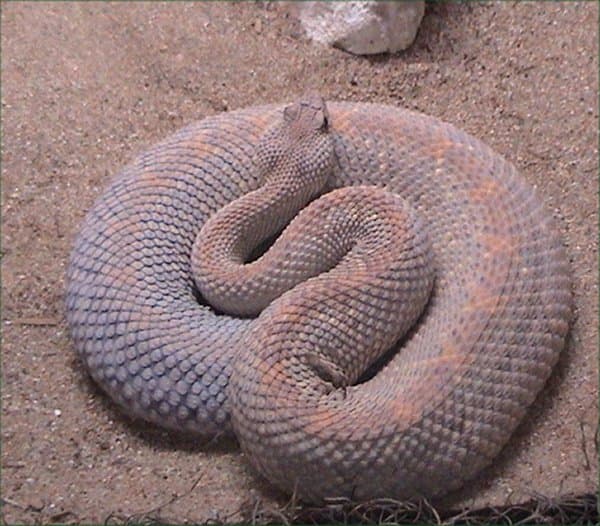
Aruba Island Rattlesnake coiled on pale ground, showing its broad head, faint dorsal pattern and rattle
Dawson / Wikimedia Commons / CC BY-SA 2.5
🌐 Read in Language:

⚡ At a Glance

Species profile
Also Known As
Aruba Rattlesnake; Cascabel
Diet Category
Ambush predator of small vertebrates
Activity Rhythm
Mostly crepuscular and nocturnal in hot weather, with daytime activity during cooler conditions.
Wild Lifespan
Wild longevity is uncertain; managed rattlesnakes may live well over a decade
Typical Weight
adult mass varies with sex, season and reproductive condition; robust adults may weigh several hundred grams
Conservation Status
CR
💡 Key Biological Insight: Many adults are so lightly patterned that the scientific name unicolor, meaning one-colored, describes their nearly uniform appearance.

🌳 Scientific Taxonomy Hierarchy

Crotalus unicolor is recognized as a full species in current reptile references, although older works treated it as Crotalus durissus unicolor. It belongs to the family Viperidae, subfamily Crotalinae, and order Squamata. No subspecies are accepted. Taxonomic history explains why both names appear in older zoo and conservation records.

KingdomAnimalia
PhylumChordata
ClassReptilia
OrderSquamata
FamilyViperidae
GenusCrotalus
SpeciesCrotalus unicolor

Distinguishing Anatomical Features

  • ✓Adults are relatively small, heavy-bodied rattlesnakes with a broad triangular head, narrow neck, heat-sensing facial pits and a terminal rattle. Ground color ranges from pale gray and sand to pinkish tan or brown. Faint diamond-shaped dorsal blotches may be visible, but they often become obscure with age; juveniles are more strongly patterned. The belly is pale cream, and the tail is usually darker than the body.
  • ✓Pale color camouflages dry rock and soil
  • ✓Facial pits detect warm-bodied prey
  • ✓Hinged fangs inject venom efficiently
  • ✓Rattle warns large animals at close range
  • ✓Keeled scales add traction
  • ✓Live birth protects embryos in a dry climate
  • ✓Low water needs suit arid scrub

📏 Physical Measurements

Total Lengthcommonly 24–31 in total length, with the largest known near 38 in
Body Weightadult mass varies; robust adults may weigh around a pound or less
Tail LengthShort tail ending in a segmented keratin rattle
WingspanNot applicable
Top SpeedNo dependable universal maximumMovement changes with context and conditions.

🎨 Appearance & Distinctive Markings

Pale grayTanPinkish brownCreamSlateCreamPinkGray

Skin / Covering: Dry overlapping keeled scales

Sexual Dimorphism: Females and males overlap greatly in color and length. Males generally have longer tails beyond the cloaca and reproductive anatomy that specialists can examine, but casual visual sexing is unreliable and dangerously close approach is never justified.

🗺️ Geographic Distribution & Habitat

Endemic to Aruba and found nowhere else naturally. Remaining strongholds are mainly in rugged southern and southeastern portions of the island, including Arikok National Park and adjacent dry hills. A whole-island map overstates the occupied area because intensive development and unsuitable urban land fragment the range.

Arid thorn scrub, cactus woodland, rocky hillsides, dry gullies and limestone or volcanic terrain with shelter beneath rocks and vegetation.

Country-level distribution map

Native range
FijiTanzaniaWestern SaharaCanadaUnited StatesKazakhstanUzbekistanPapua New GuineaIndonesiaArgentinaChileCongo - KinshasaSomaliaKenyaSudanChadHaitiDominican RepublicRussiaBahamasFalkland IslandsNorwayGreenlandFrench Southern TerritoriesTimor-LesteSouth AfricaLesothoMexicoUruguayBrazilBoliviaPeruColombiaPanamaCosta RicaNicaraguaHondurasEl SalvadorGuatemalaBelizeVenezuelaGuyanaSurinameFranceEcuadorPuerto RicoJamaicaCubaZimbabweBotswanaNamibiaSenegalMaliMauritaniaBeninNigerNigeriaCameroonTogoGhanaCôte d’IvoireGuineaGuinea-BissauLiberiaSierra LeoneBurkina FasoCentral African RepublicCongo - BrazzavilleGabonEquatorial GuineaZambiaMalawiMozambiqueEswatiniAngolaBurundiIsraelLebanonMadagascarPalestinian TerritoriesGambiaTunisiaAlgeriaJordanUnited Arab EmiratesQatarKuwaitIraqOmanVanuatuCambodiaThailandLaosMyanmar (Burma)VietnamNorth KoreaSouth KoreaMongoliaIndiaBangladeshBhutanNepalPakistanAfghanistanTajikistanKyrgyzstanTurkmenistanIranSyriaArmeniaSwedenBelarusUkrainePolandAustriaHungaryMoldovaRomaniaLithuaniaLatviaEstoniaGermanyBulgariaGreeceTürkiyeAlbaniaCroatiaSwitzerlandLuxembourgBelgiumNetherlandsPortugalSpainIrelandNew CaledoniaSolomon IslandsNew ZealandAustraliaSri LankaChinaTaiwanItalyDenmarkUnited KingdomIcelandAzerbaijanGeorgiaPhilippinesMalaysiaBruneiSloveniaFinlandSlovakiaCzechiaEritreaJapanParaguayYemenSaudi ArabiaCyprusMoroccoEgyptLibyaEthiopiaDjiboutiUgandaRwandaBosnia & HerzegovinaNorth MacedoniaSerbiaMontenegroKosovoTrinidad & TobagoSouth Sudan
Highlighted countries are recorded profile locations, not precise biological range boundaries.Map boundaries: Natural Earth

Recorded Native Countries & Territories:

💡 Did You Know?

  • 💡Pale color camouflages dry rock and soil
  • 💡Facial pits detect warm-bodied prey
  • 💡Hinged fangs inject venom efficiently
  • 💡Rattle warns large animals at close range
  • 💡Keeled scales add traction
  • 💡Live birth protects embryos in a dry climate
  • 💡Low water needs suit arid scrub

🌿 Conservation Status & Threats

IUCN: CR — Critically Endangered

“The IUCN Red List classifies the Aruba Island Rattlesnake as Critically Endangered. Its natural distribution is restricted to one small island, with much suitable habitat lost or fragmented by development. Protection in Arikok National Park and coordinated zoo breeding reduce risk but do not remove threats to the wild population.”

Population Trend📉 Decreasing
Wild Population EstimateNo current precise total; the wild population is small and geographically restricted
CITESNot listed in CITES appendices

⚠️ Major Threats to Aruba Island Rattlesnake

  • •Tourism and urban development
  • •Road mortality
  • •Deliberate killing
  • •Introduced Boa Constrictors
  • •Feral cats and dogs
  • •Habitat fragmentation
  • •Illegal collection
  • •Climate-driven drought

🔄 Life Cycle & Reproduction

Wild vs. Captivity Lifespan Comparison

🌿 In the WildWild longevity is uncertain; managed rattlesnakes may live well over a decade
🏠 In Captivity (with veterinary care)Only accredited venomous-reptile facilities should maintain this species with double containment, locked shift boxes, trained teams, inventory controls, genetic management, emergency drills and antivenom coordination.
Clutch / Litter SizeUsually about 5–15 live young, with litter size varying by female
Incubation / GestationInternal gestation lasts roughly four to six months; no external egg incubation
Fledging / WeaningIndependent live-born juvenile about 20–25 cm long
Sexual MaturityMales around four years and females around five years under reported conditions
Mating SystemInternal fertilization; live-bearing
Nesting / Den TypeNo nest; young develop within the female

🦅 Behavior & Field Ecology

Ambush predator of small vertebrates

🌐 Ecological Food Web & Relationships: As one of Aruba’s few native mammal predators, the rattlesnake helps regulate rodents and transfers energy from lizards, birds and mammals to larger scavengers after death. It is also a genetically distinctive island lineage. Removing adults can have outsized effects because the total range is tiny and females reproduce slowly.

Social Group SizeSolitary outside courtship and temporary shelter overlap
Activity RhythmMostly crepuscular and nocturnal in hot weather, with daytime activity during cooler conditions.
Feeding StrategyAmbush predator of small vertebrates

🥩 Primary Prey & Preferred Diet

✓ Mice✓ Rats✓ Small lizards✓ Birds✓ Young rabbits✓ Other small mammals

📢 Communication & Territorial Signals

  • Rattle vibration
  • Tongue-flick scent sampling
  • Pheromone trails
  • Body posture
  • Heat sensing
  • Ground vibration

🐾 Wild Temperament & Traits

• Secretive• Alert• Camouflaged• Mostly solitary• Defensive if cornered• Patient ambush predator

🤝 Human Interaction & Pet Advisory

⚠️ Strictly Wild Species
🚫

Can You Keep a Aruba Island Rattlesnake as a Pet?

A critically endangered venomous snake is not a private pet. Legal possession requires exceptional permits, secure professional facilities, trained teams, bite protocols and antivenom planning. Conservation breeding belongs in coordinated accredited programs, and removing any animal or rattle from Aruba is harmful and potentially illegal.

Domestication StatusWild venomous snake; never domesticated
Danger to HumansHigh if envenomation occurs, while encounters can be avoided
Economic & Ecotourism RoleNative rodent control, Aruba’s evolutionary heritage, conservation breeding, venom research and responsible nature tourism.

⚠️ Behavioral Risk Factors & Wildlife Safety

  • Venom can damage tissue and disrupt blood clotting
  • Hinged fangs can deliver a medically significant dose
  • Camouflage can make a resting snake difficult to see
  • Remote terrain may delay treatment

🌐 Ecological Food Web & Relationships

🦅 Natural Predators (5)

CaracaraCaracara plancus
Feral CatFelis catus
Domestic DogCanis lupus familiaris
Boa ConstrictorBoa imperator
HumansHomo sapiens

🧬 Related Species (4)

South American RattlesnakeCrotalus durissusClosest well-known mainland relative and former taxonomic placement
Cascabel RattlesnakeCrotalus durissus terrificusMainland relative with different range and venom profile
Mojave RattlesnakeCrotalus scutulatusNorth American pit viper
Aruba Cat-Eyed SnakeLeptodeira bakeriAnother snake endemic to Aruba

Aruba Island Rattlesnake (Crotalus unicolor) is a venomous pit viper endemic to the small Caribbean island of Aruba. Its pale gray, tan, pinkish or brown body blends with dry soil and rock, while adult markings may fade until the snake appears nearly uniform. It hunts mostly at night or during cooler periods and usually avoids people. Its entire natural range lies on one developed island, making protection of remaining habitat and prevention of deliberate killing essential. This guide separates well-supported biology from common assumptions and covers identification, range, habitat, diet, behavior, reproduction and conservation.

Identification

Adults are relatively small, heavy-bodied rattlesnakes with a broad triangular head, narrow neck, heat-sensing facial pits and a terminal rattle. Ground color ranges from pale gray and sand to pinkish tan or brown. Faint diamond-shaped dorsal blotches may be visible, but they often become obscure with age; juveniles are more strongly patterned. The belly is pale cream, and the tail is usually darker than the body. Females and males overlap greatly in color and length. Males generally have longer tails beyond the cloaca and reproductive anatomy that specialists can examine, but casual visual sexing is unreliable and dangerously close approach is never justified.

Identification should combine body shape, markings, size, voice or movement, and location. One feature by itself can overlap with a related animal, a juvenile, or an individual in unusual light.

Photographs are most useful when they preserve scale and show several diagnostic features. Handling or repositioning a wild aruba island rattlesnake for identification can cause stress and is unnecessary.

Size and physical adaptations

Aruba Island Rattlesnake typically measures commonly 60–80 cm total length, with the largest known near 97 cm and weighs adult mass varies with sex, season and reproductive condition; robust adults may weigh several hundred grams. This island species is smaller than many mainland rattlesnakes. Length records should include whether the rattle was measured.

Its useful adaptations include pale color camouflages dry rock and soil, facial pits detect warm-bodied prey, hinged fangs inject venom efficiently, rattle warns large animals at close range, keeled scales add traction, live birth protects embryos in a dry climate, low water needs suit arid scrub. These traits work together in the animal’s normal setting rather than serving as isolated curiosities.

Published measurements may use different methods, life stages or sample locations. Comparing figures responsibly means checking what was measured rather than selecting the largest number available.

Range and distribution

Endemic to Aruba and found nowhere else naturally. Remaining strongholds are mainly in rugged southern and southeastern portions of the island, including Arikok National Park and adjacent dry hills. A whole-island map overstates the occupied area because intensive development and unsuitable urban land fragment the range. The native range includes Aruba.

A country-level map indicates broad distribution, not continuous occupation. Climate, elevation, water, vegetation, prey, breeding sites, barriers and survey effort all affect where records occur.

Records near the edge of the range deserve careful documentation because they may reflect natural movement, improved survey coverage, accidental transport or a genuine distribution change.

Habitat

Arid thorn scrub, cactus woodland, rocky hillsides, dry gullies and limestone or volcanic terrain with shelter beneath rocks and vegetation.

Snakes shelter in rock crevices, rodent burrows, cactus thickets and shaded gullies during heat. They emerge to hunt when temperatures moderate, often using ambush sites near prey routes. Connected rocky scrub matters because roads, resorts and housing can isolate already small habitat patches. Protecting a population therefore requires the feeding, shelter and breeding features that make a site usable, along with connections that allow movement.

Microhabitat matters. Shade, soil, current, moisture, shelter or host plants can determine whether a small area is usable even when the surrounding landscape appears suitable.

Diet and feeding

Aruba Island Rattlesnake is a ambush predator of small vertebrates. Important foods include mice, rats, small lizards, birds, young rabbits, other small mammals. The snake waits along scent trails or near cover, detects warmth with facial pits and strikes rapidly. Venom immobilizes prey, which can then be followed by scent. Diet changes with age: juveniles take proportionally more lizards, while adults can handle larger rodents and birds.

Diet changes with age, season, location and food supply. A dramatic prey record does not establish what most individuals eat most of the time; repeated field observations provide a stronger picture.

Feeding opportunities also create risk. An animal focused on prey may be less alert to predators, traffic or people, while contaminated prey can transfer pollutants through the food web.

Behavior and communication

Mostly crepuscular and nocturnal in hot weather, with daytime activity during cooler conditions. An undisturbed Aruba Island Rattlesnake relies on camouflage and retreat. If approached closely it may coil, raise its head and vibrate the rattle, but rattling is not guaranteed and a silent snake can still strike. Individuals spend much time under cover and move farther during feeding or breeding activity. Males wrestle by raising and pushing one another without using venom.

The rattle creates a mechanical warning audible to large animals but is not a promise of attack. Tongue flicking transfers scent to the vomeronasal organ, allowing prey tracking and mate detection. Heat-sensitive pits provide directional information about warm objects, while body posture and movement communicate defense or courtship. Behavior should be interpreted in context: alarm, courtship, feeding and temperature regulation can produce very different actions from the same animal.

Daily schedules are flexible responses, not rigid rules. Weather, breeding condition, disturbance, tides or food can move activity into a different part of the day.

Reproduction and development

Mating occurs mainly from late summer into the cooler season. Receptive females leave chemical trails that males follow, and competing males may wrestle. Fertilization is internal, and embryos develop inside the female rather than in exposed eggs. Usually about 5–15 live young, with litter size varying by female Newborns are fully formed, venomous and independent. Each has a small pre-button at the tail; additional rattle segments form after shedding. Young begin hunting after their first shed and grow rapidly when prey is available, but many do not survive to maturity.

Young animals face different risks and may use different microhabitats or food than adults. Breeding success depends on adult condition, suitable sites and the survival of offspring through vulnerable early stages.

Counts of eggs or young describe reproductive output, not the number expected to reach adulthood. Mortality is normally greatest during eggs, larval or juvenile stages.

Predators and ecological role

As one of Aruba’s few native mammal predators, the rattlesnake helps regulate rodents and transfers energy from lizards, birds and mammals to larger scavengers after death. It is also a genetically distinctive island lineage. Removing adults can have outsized effects because the total range is tiny and females reproduce slowly. Documented or likely predators include Caracara, Feral Cat, Domestic Dog, Boa Constrictor, Humans.

This animal is both a consumer and a food source. Its influence comes through many repeated interactions, so ecological claims should be based on measured populations rather than assumptions drawn from appearance.

Predator and prey relationships differ among places. A species can be ecologically influential without being abundant everywhere, and its role can change across its range.

Relationship with people

Arikok National Park protects much of the remaining population, and conservation breeding programs maintain an assurance population in accredited zoos. Residents and visitors should stay on paths, use lights after dark, keep properties free of rodent attractants and call trained local responders rather than attempting capture. Killing a rare endemic snake removes a valuable rodent predator and may violate wildlife law.

Treat every suspected bite as a medical emergency. Move away from the snake, keep the person still and the bitten limb at a neutral position, remove rings or tight clothing and contact Aruba emergency services immediately. Do not cut, suck, ice or electrically shock the bite, apply a tourniquet, or try to catch the snake. Responsible observation means keeping an appropriate distance, avoiding capture or feeding, protecting habitat and following local wildlife or invasive-species guidance.

Wildlife guidance should come from the responsible local agency because collection rules, reporting requests and appropriate responses differ between native and introduced ranges.

Conservation

The IUCN Red List classifies the Aruba Island Rattlesnake as Critically Endangered. Its natural distribution is restricted to one small island, with much suitable habitat lost or fragmented by development. Protection in Arikok National Park and coordinated zoo breeding reduce risk but do not remove threats to the wild population. The reported global trend is Unknown to decreasing outside well-protected habitat.

Important pressures include tourism and urban development, road mortality, deliberate killing, introduced boa constrictors, feral cats and dogs, habitat fragmentation, illegal collection, climate-driven drought. Global status can hide local decline or recovery, so current regional monitoring and habitat management remain necessary.

The most useful conservation action follows the documented pressure. Protecting breeding sites, reducing road deaths or limiting pollutants can require different tools in different populations.

Sources and further reading

❓ Frequently Asked Questions

Answers to frequently asked questions verified against peer-reviewed zoological research.

They live only on Aruba, mainly in protected and rugged dry scrub, cactus woodland and rocky hills in the island’s south and southeast.