
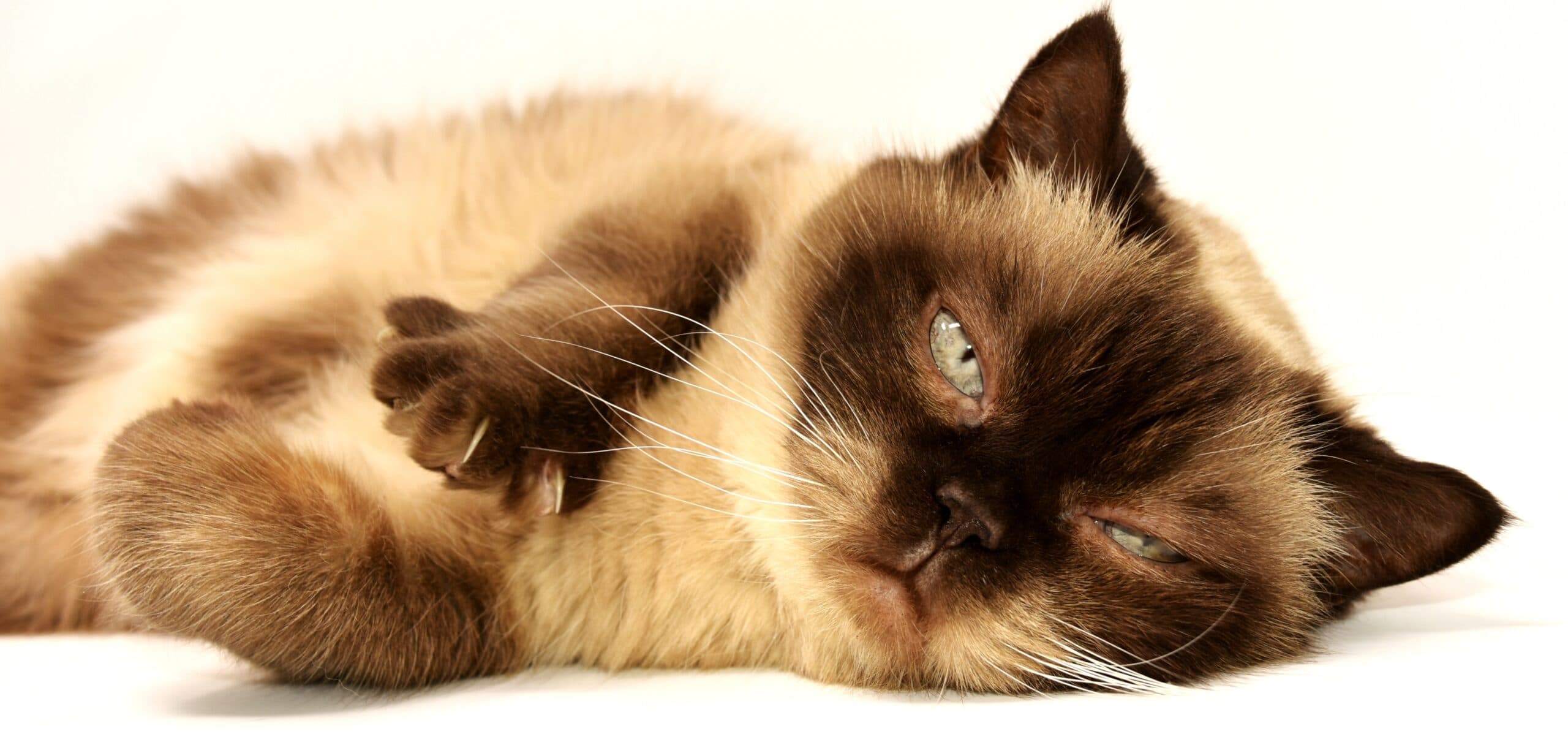
A breed profile, not a separate species
The British Shorthair is a pedigreed breed of domestic cat, Felis catus. It is not a wild species and does not have a natural conservation range. Breed registries describe an ideal appearance and pedigree, while every individual remains a domestic cat with the same core welfare needs as other cats. The familiar blue-gray coat is only one accepted color: British Shorthairs also occur in black, white, cream, red, silver, golden, tabby, tortoiseshell, colorpoint and other registered patterns.
Modern British Shorthairs descend from Britain’s domestic shorthaired cats, shaped into a formal breed by early cat fanciers. The breed appeared at the Crystal Palace cat show in 1871. Wars sharply reduced breeding populations, and later programs used domestic shorthairs, Persians, Russian Blues and other cats to rebuild type. This history also introduced a recessive longhair gene. Longhaired kittens can still occur, but registries now treat the British Longhair as a companion breed rather than simply a coat variation.
Round, sturdy and slow to mature
Roundness and substance define the breed standard. The head is broad with full cheeks, a firm chin, round eyes and small-to-medium ears set well apart. The body is compact and muscular with a broad chest, strong legs, rounded paws and a thick tail ending in a rounded tip. The coat is short, exceptionally dense and plush, standing away from the body instead of lying flat. It should feel crisp rather than woolly.
British Shorthairs are sexually dimorphic. GCCF figures put adult males around 4.1–7.7 kilograms and females around 3.2–5.4 kilograms, though healthy weight depends on frame and body condition. They mature slowly and may take three to five years to develop their full breadth. A heavy-looking outline should come from bone and muscle, not excess fat. Responsible owners judge body condition with a veterinarian rather than trying to match a show-ring number.
Temperament and household fit
Breed organizations describe the British Shorthair as patient, calm, tolerant and quietly affectionate. Many enjoy staying near their people without constantly demanding contact. They often prefer sitting beside a person to being held for long periods. These are tendencies, not guarantees: early experience, health, home environment and individual personality matter more than a label.
Their measured style can suit considerate families, older adults and homes with cat-friendly dogs. Introductions must still be gradual, with separate resources and escape routes. Children should learn to let the cat approach, support the whole body when lifting and stop when the cat turns away. A calm cat still needs daily play and choice. Hiding places, high resting shelves, scratching posts and undisturbed sleeping areas prevent a relaxed temperament from becoming chronic boredom.
Exercise and enrichment
British Shorthairs are generally less acrobatic than leaner breeds, but they remain predators with a need to stalk, chase, pounce and explore. Two or more short interactive play sessions each day are more useful than leaving a pile of static toys. Wand toys, rolling food puzzles, sturdy tunnels and low climbing routes encourage movement without forcing exercise. Rotate toys and finish hunting games with a small food reward.
The breed’s appetite and moderate activity make weight control especially important. Weigh meals, count treats within the daily ration and ask a veterinarian to score body condition at routine visits. Free-feeding can make gradual weight gain difficult to notice beneath the dense coat. A wide, stable cat tree and strong scratcher should accommodate a heavy adult safely. Indoor living or secure outdoor access reduces traffic, disease and fighting risks while still allowing sun, scent and observation.
Grooming the plush coat
The short coat does not usually tangle, but its density traps shed hair. A weekly comb through the coat is adequate for many adults, with extra grooming during seasonal shedding. Work gently in the direction of growth and stop if the skin twitches or the cat becomes tense. Older, arthritic or overweight cats may need help reaching the back and hindquarters. Sudden matting, dandruff or poor grooming can signal pain or illness and warrants veterinary attention.
Nails generally need checking every couple of weeks. Provide several scratching surfaces before trimming so normal claw care has an outlet. Examine ears without probing the canal, and use only products recommended by a veterinarian. Regular tooth brushing with feline toothpaste and professional dental assessment matter more than cosmetic bathing. Most healthy British Shorthairs need a bath only if the coat is contaminated with something unsafe to lick.
Feeding and preventive care
Feed a complete diet appropriate to life stage, reproductive status and health. Kittens need frequent meals and enough energy for slow, substantial growth; adults need portions adjusted to activity and body condition. Fresh water should always be available, and wet food can contribute moisture. Diet changes should be gradual. A veterinarian can help set a target weight and calorie allowance rather than relying on package directions alone.
Routine care includes vaccination, parasite control based on local risk, dental checks and regular physical examinations. Watch for changes in breathing, thirst, urination, appetite, mobility and litter-box habits. The breed’s stoic manner can make subtle signs easy to miss. Rapid or labored breathing, open-mouth breathing, collapse or sudden painful weakness of the hind legs is an emergency requiring immediate veterinary care.
Inherited health considerations
Hypertrophic cardiomyopathy, or HCM, is an important concern. In HCM the heart muscle becomes abnormally thick, which can impair filling and lead to heart failure or blood clots. Cornell includes the British Shorthair among breeds in which genetics may play a role. A cat can appear well despite disease. Echocardiography by a veterinary cardiologist is the standard diagnostic test; a normal examination at one age cannot guarantee lifelong freedom from a condition that may develop later.
Polycystic kidney disease, or PKD, entered some lines through historical Persian ancestry. GCCF reports that widespread DNA testing has brought the problem under better control. Buyers should request documented health screening appropriate to the parents, not accept vague assurances that a line is “healthy.” Screening reduces risk but cannot promise a disease-free life. Breeders should also avoid exaggerated facial shortening and select for sound breathing, teeth and overall function.
Choosing a kitten or adult responsibly
A responsible breeder explains both strengths and health risks, provides registration and veterinary records, allows the mother and living environment to be seen when safe, and does not release kittens too young. Ask how breeding cats are screened for HCM and PKD, how kittens are socialized, and what support is offered after purchase. Extremely rare colors, oversized claims and pressure to pay quickly are marketing signals, not evidence of quality.
Adults may also be available through breed rescue or owners whose circumstances changed. Whether adopting or buying, plan for a relationship that may last well into the cat’s teens. The best British Shorthair home values steady companionship, measured feeding, gentle handling and daily play more than a particular coat color. Choosing for health and temperament preserves the qualities people admire without treating a living cat as decoration.