
Identity and Taxonomic Scope
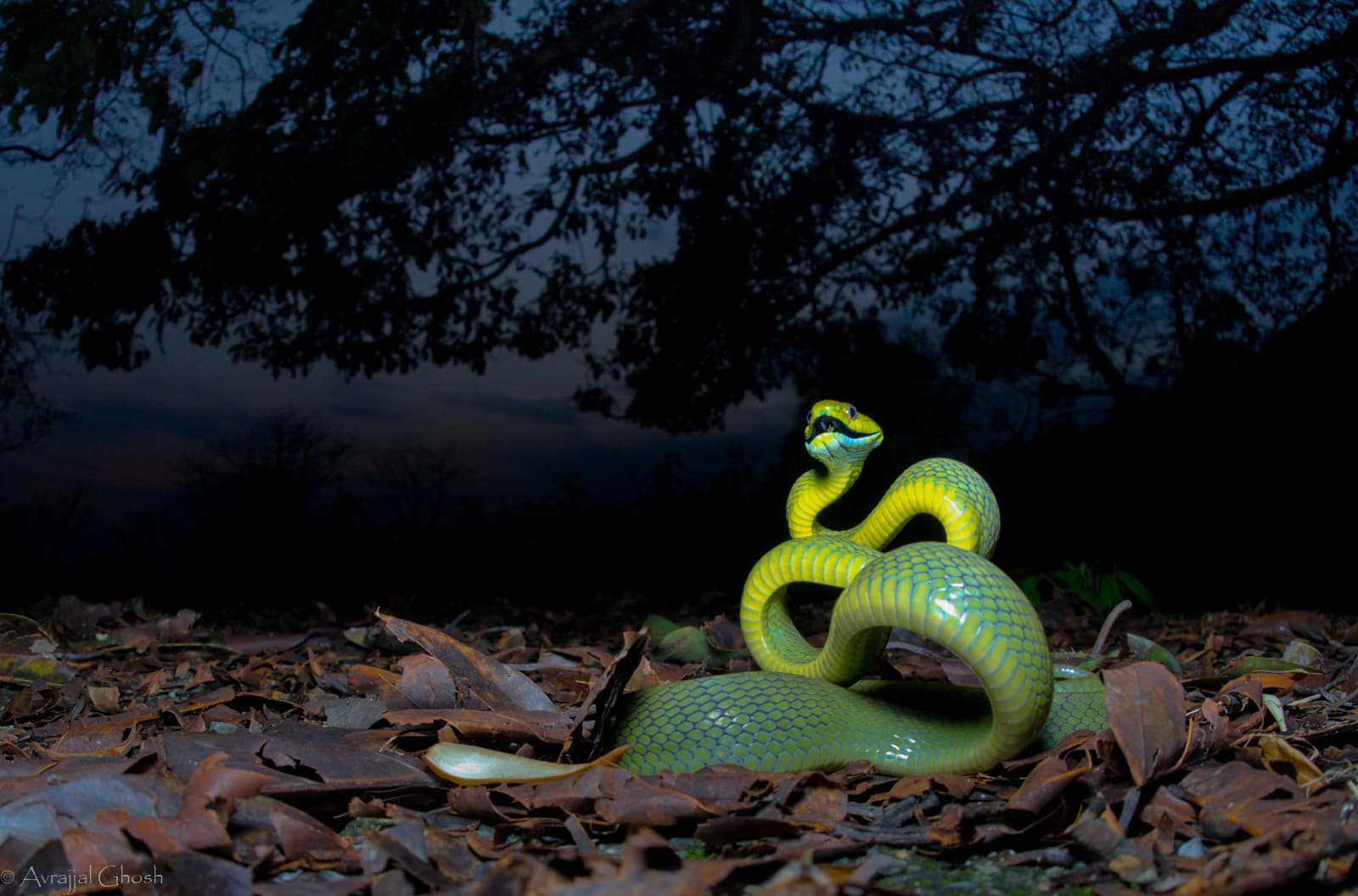
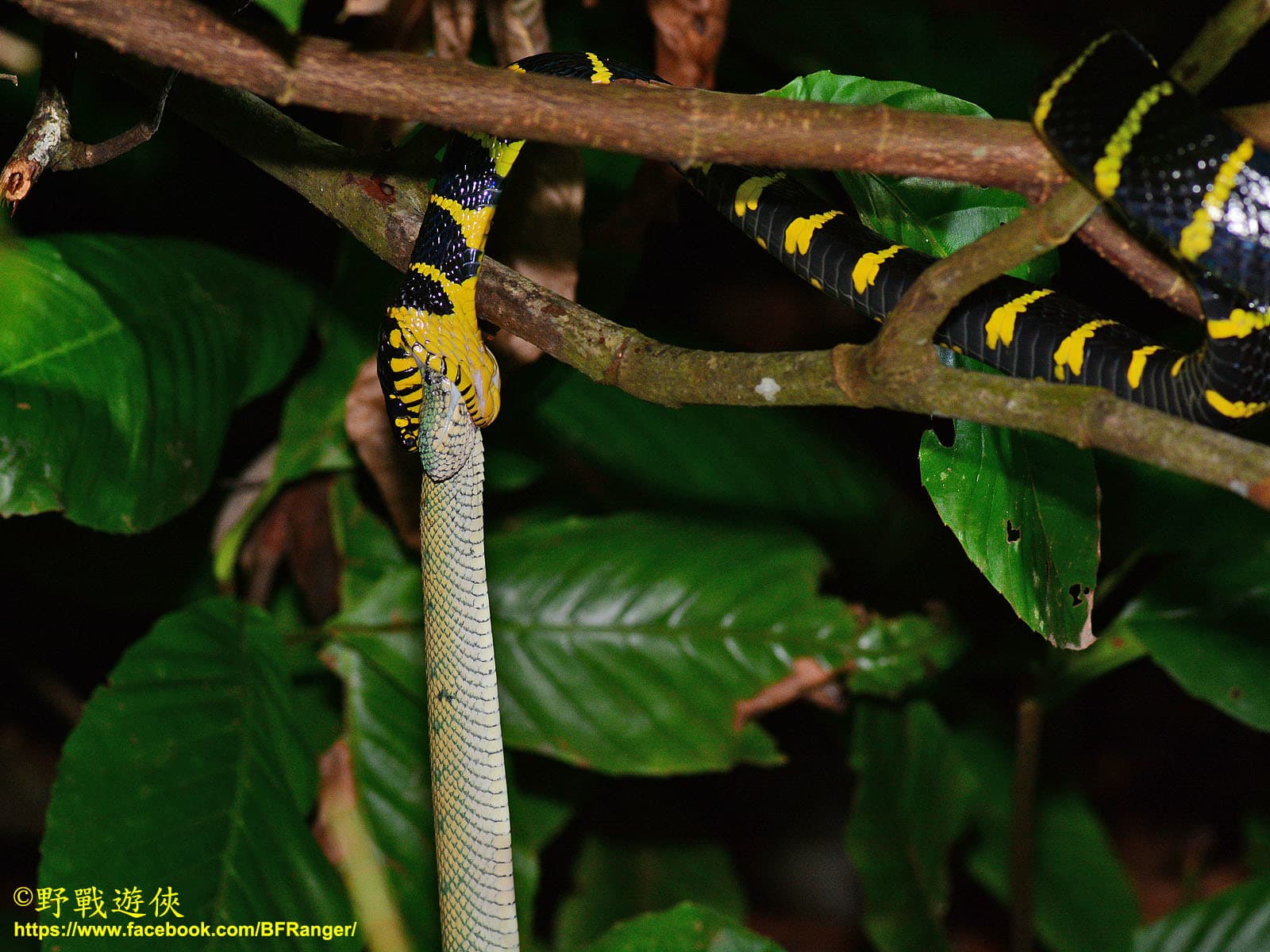
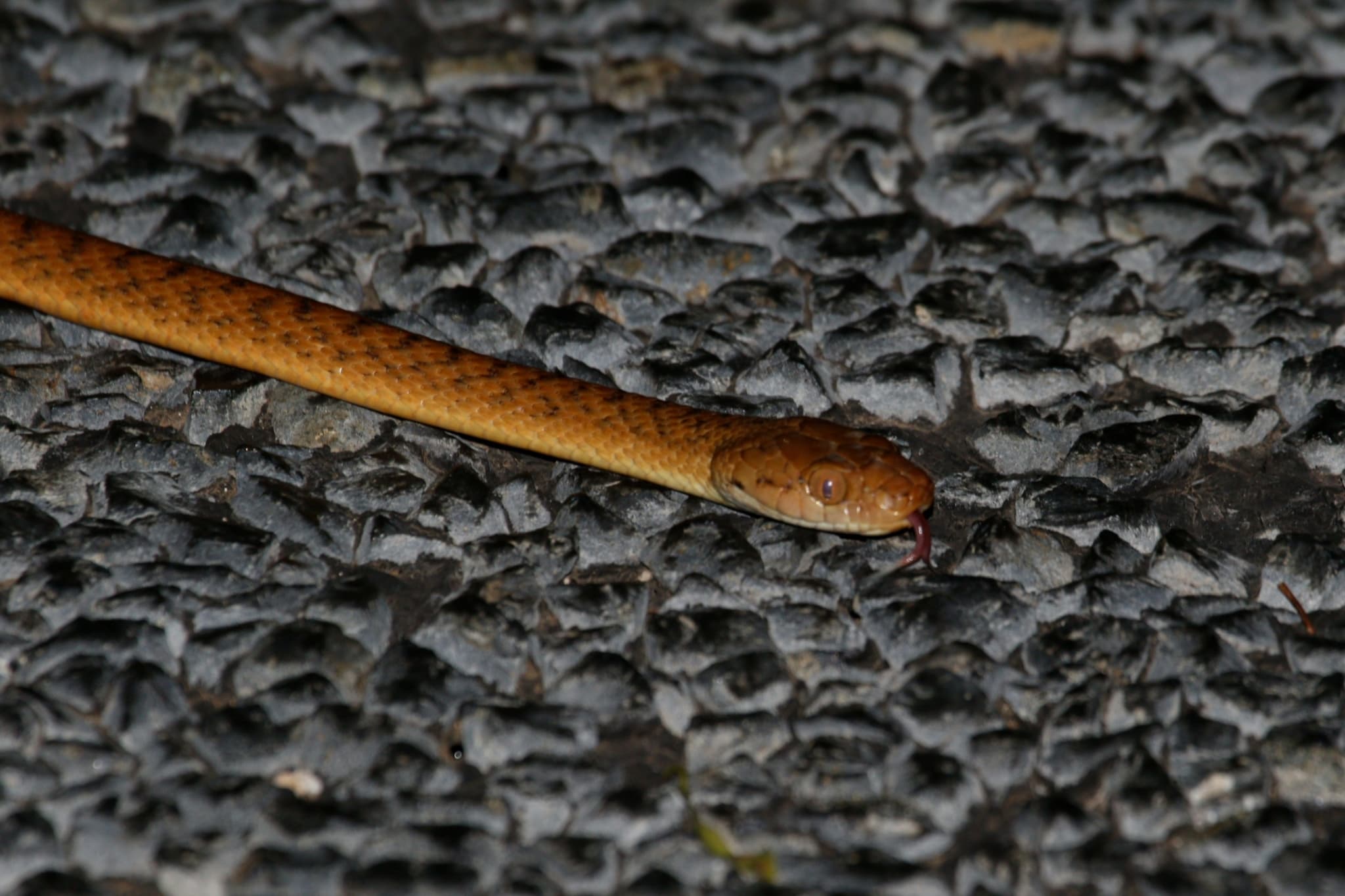
Cat snake is a broad common name for living rear-fanged snakes in the genus Boiga. The name refers to their large eyes and vertical pupils, which can resemble a cat’s. This is a genus-level profile rather than an account of one species. The Reptile Database lists dozens of recognized members, including the brown tree snake, Boiga irregularis, the mangrove snake, B. dendrophila, the green cat snake, B. cyanea, and the common Indian cat snake, B. trigonata.
Cat snakes belong to Colubridae, a large and diverse snake family. Members of Boiga share a slender build, enlarged rear teeth with grooves that can deliver venom, and strong climbing ability. Species differ substantially in color, size, range, diet, venom effects, and conservation status. Measurements or risk statements from one member should therefore never be presented as universal facts for the whole genus.
Appearance and Identification
Most cat snakes have a long, laterally compressed body, a narrow neck, and a head that appears broad in comparison. Their large eyes aid nocturnal hunting, and the vertical pupils contract in bright light. Colors range from leaf green and muted brown to dramatic black-and-yellow bands. Blotches, crossbars, speckles, and plain forms all occur. A long prehensile tail helps many species balance as they cross branches.
Color alone is a poor identification tool. For example, the brown tree snake can be brown, red-brown, or gray with irregular darker bands, while other Boiga may look green, orange, black, or patterned. Geographic location, head shape, scale arrangement, and other technical traits are important. The Queensland Government’s brown tree snake profile describes that representative species as slender, large-eyed, rear-fanged, and an accomplished climber. No observer should handle an unknown snake to inspect these features.
Range and Habitat
As a genus, Boiga occurs from parts of the Middle East and South Asia across mainland and island Southeast Asia to New Guinea, northern and eastern Australia, and western Pacific islands. Each species occupies only part of that combined range. Some are widespread, whereas others are restricted to one island, mountain region, or forest system. The genus includes living native populations as well as the invasive brown tree snake population on Guam.
Cat snakes use rainforests, monsoon forests, mangroves, woodland, scrub, rocky slopes, plantations, gardens, and buildings near suitable habitat. Most are arboreal or semi-arboreal, resting in tree hollows, dense foliage, roof spaces, or rock crevices during the day and hunting after dark. Queensland authorities note that brown tree snakes occur from rainforest and woodland to urban areas and sometimes enter rafters while following geckos, birds, or rodents.
Diet and Hunting
Cat snakes are carnivores. Their prey includes lizards, geckos, frogs, birds, eggs, bats, rodents, and other small vertebrates, with the balance differing among species and life stages. An arboreal snake can search foliage, cavities, nests, and branches that many ground predators cannot reach. Large eyes, scent sampling with the tongue, sensitivity to movement, and flexible jaws support hunting in dim light.
When prey is seized, grooved rear fangs help introduce venom as the snake maintains its bite. Constriction may also assist some species, particularly with birds or mammals. The rear position of the fangs is one reason brief defensive bites do not always deliver much venom, but it does not make handling safe. Ecologically, cat snakes transfer energy from small vertebrates to larger predators and can regulate abundant gecko or rodent populations. They may themselves be eaten by raptors, monitor lizards, civets, mongooses, and larger snakes.
Behavior and Climbing
Most cat snakes are nocturnal and solitary. They spend daylight hours concealed, then move through vegetation with slow, deliberate body waves. Strong muscles and ventral scales grip bark, while the tail braces the body during gaps between branches. Some species readily descend to the ground or move across buildings. A hunting animal may pause with its forebody extended, tracking movement before striking.
When threatened, a cat snake may flatten the neck, inflate the body, form an S-shaped striking posture, gape, or strike repeatedly. Temperament differs among species and individuals. Escape is usually the first option when space is available. People should back away, keep children and pets indoors, and contact a trained local snake relocator if an animal is inside a building. The Queensland Government snake FAQ advises never approaching a snake or assuming it is harmless.
Venom and Human Safety
Boiga species are rear-fanged venomous snakes, but the medical risk is not uniform. Bites commonly cause local pain, swelling, or other mild effects, yet prolonged bites from larger individuals can be more serious. Children, smaller pets, and people with unusual reactions may be at greater risk. The brown tree snake guidance for southeast Queensland describes it as rear-fanged and warns that bites from large individuals should be monitored carefully.
Never encourage a snake to chew, and never free-handle one based on claims that cat snakes are only “mildly venomous.” After a bite, move away, remove rings or tight items, keep the person calm, and seek advice from a poison center or medical professional familiar with regional snakes. Call emergency services for significant swelling, bleeding, breathing trouble, weakness, collapse, or any rapidly worsening symptom. Do not cut, suck, ice, or electrically shock the wound, and do not use a tight tourniquet unless a qualified regional protocol specifically directs it.
Reproduction and Life Cycle
Cat snakes reproduce by laying eggs, but clutch size, timing, incubation, maturity, and lifespan differ among species and climates. Mating often follows seasonal rainfall or temperature changes that increase prey availability. Females place eggs in protected, humid sites such as hollow trees, rotting wood, leaf litter, crevices, or sheltered ground cavities. The exact site depends on local habitat and the species involved.
Hatchlings emerge fully formed and must hunt and avoid predators without parental care. Young snakes often take frogs, geckos, or other small prey. Growth depends on temperature and food. Lifespan data are much better for captive individuals than for wild populations, so captive records should not be converted into a single genus-wide wild average. Island species with small ranges may face very different survival pressures from widespread mainland members.
Conservation, Invasion, and Coexistence
There is no single conservation category for all cat snakes. Forest loss, road traffic, persecution, pet trade collection, and the decline of prey can affect native populations. Conversely, the brown tree snake became a damaging invasive predator on Guam, where its presence outside the native range caused severe losses among native birds and other wildlife. That history belongs to one species and introduced setting; it should not be used to label every Boiga population invasive.
Coexistence begins with reducing accidental encounters. Trim branches that touch roofs, seal roof and wall gaps, store animal feed securely, control rodents without poisoning wildlife, use a light outdoors at night, and avoid reaching blindly into foliage or cavities. Protecting intact native forests while preventing accidental transport of snakes in cargo serves both conservation and biosecurity. Sightings can be reported to local wildlife agencies or biodiversity platforms from a safe distance.
Sources and Review Notes
This profile uses the Reptile Database for current genus scope and species names, Queensland Government wildlife guidance for the well-documented brown tree snake as a representative Boiga, and Queensland snake-safety guidance for encounters. Species-specific body sizes, venom effects, ranges, reproductive values, and conservation categories remain qualified because they cannot be generalized across the genus. Every photograph on this group page must identify the representative species shown.