
Home/Animals/Reptilia/Dumeril's Boa
Species profileIUCN: LC

Dumeril's Boa

Acrantophis dumerili

A heavy-bodied Malagasy ground boa whose leaf-litter pattern conceals a patient ambush predator.

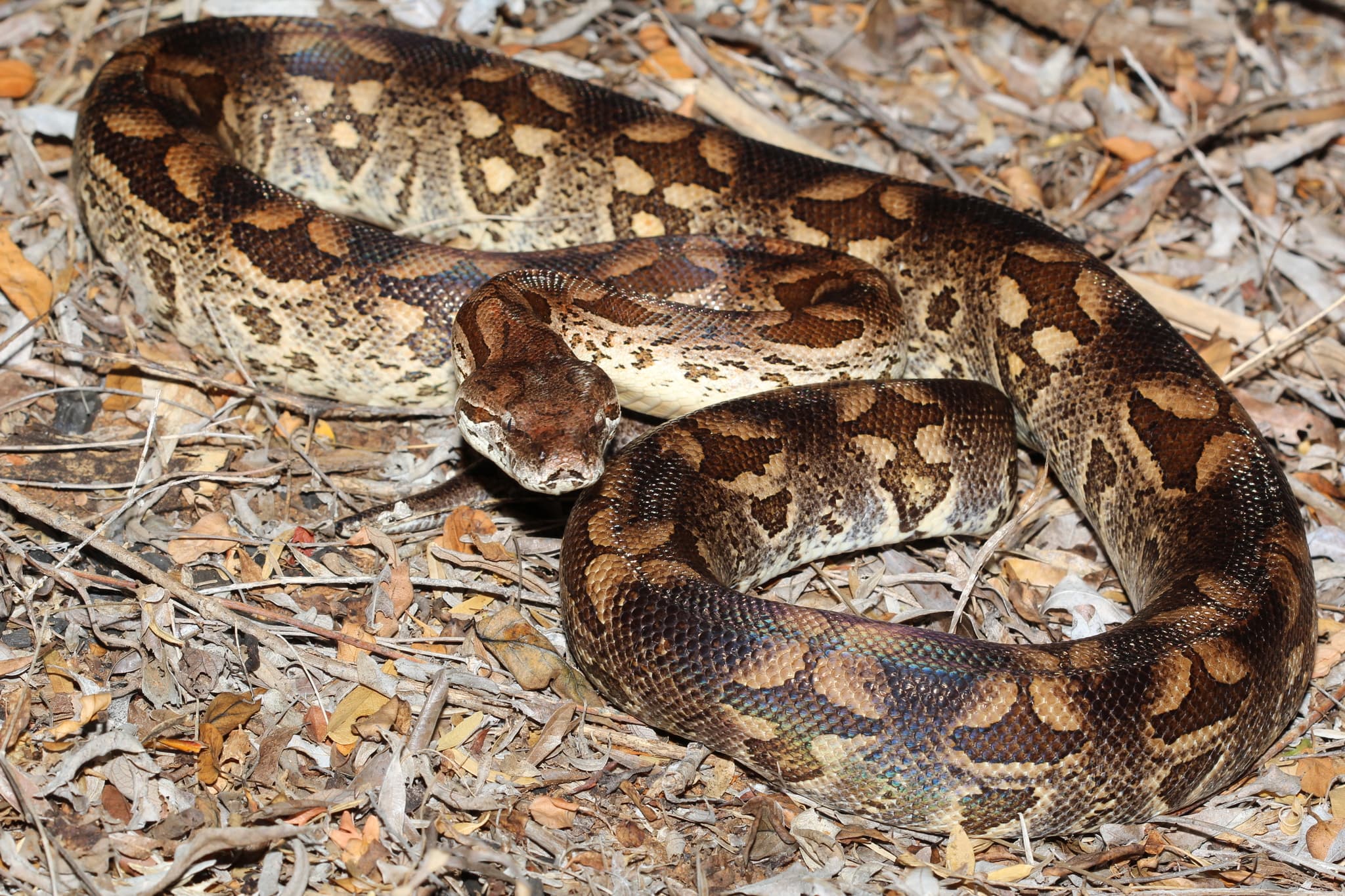
Wild Dumeril's Boa Acrantophis dumerili coiled in dry leaf litter in southern Madagascar
a_f_r / CC BY-NC 4.0
🌐 Read in Language:

⚡ At a Glance

Species profile
Also Known As
Dumeril's Ground Boa; Southern Madagascar Boa
Diet Category
Carnivore; small mammals, birds and lizards
Activity Rhythm
Flexible day-or-night activity depending on conditions
Wild Lifespan
Not reliably established
Typical Weight
Often several kilograms; varies greatly
Conservation Status
LC
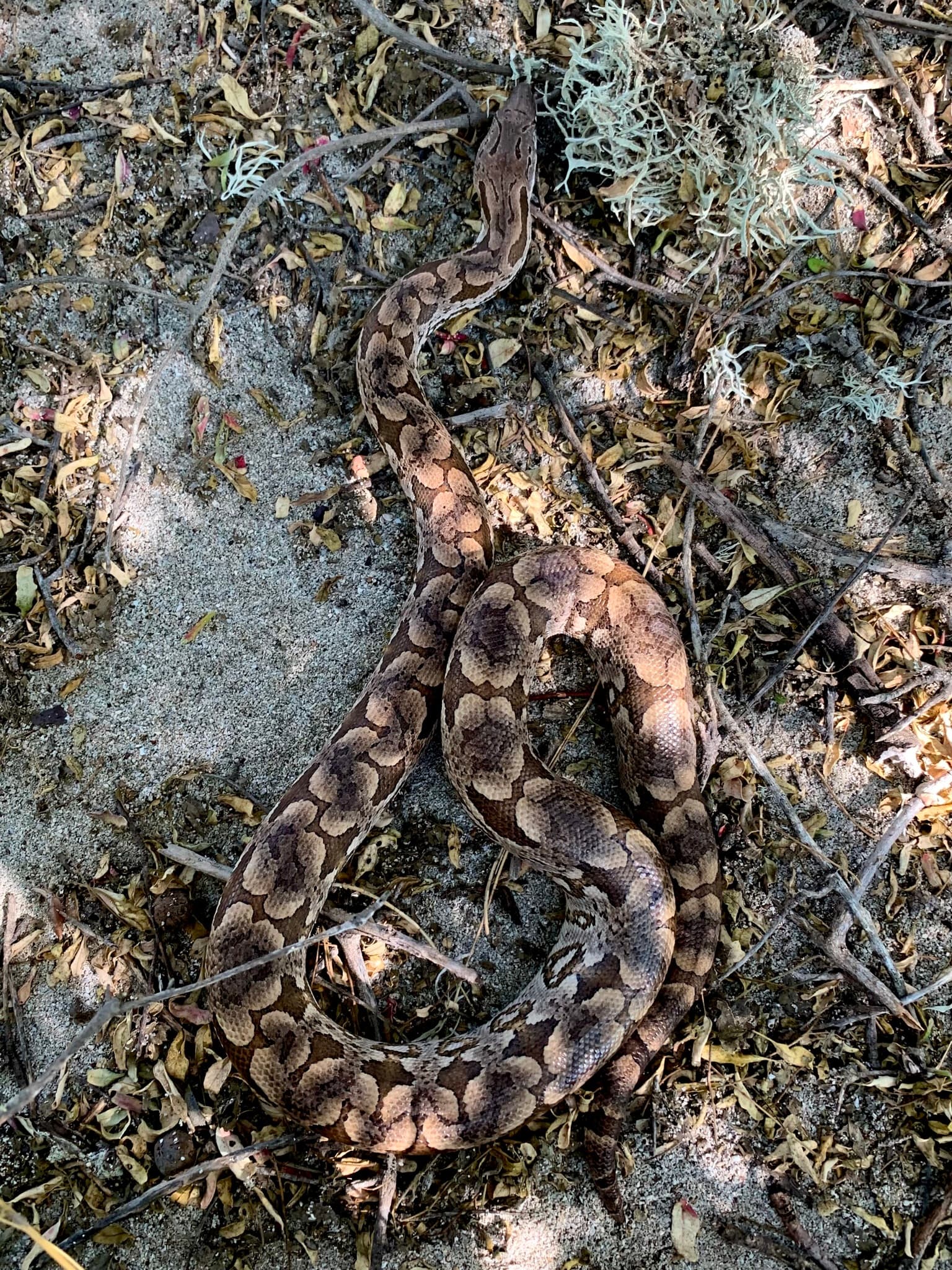
💡 Key Biological Insight: Its camouflage can make a large boa nearly disappear against dry leaves and patchy forest-floor light.

🌳 Scientific Taxonomy Hierarchy

This profile covers the living Dumeril's Boa, Acrantophis dumerili, a southern Malagasy species distinct from Acrantophis madagascariensis.

KingdomAnimalia
PhylumChordata
ClassReptilia
OrderSquamata
FamilyBoidae
GenusAcrantophis
SpeciesAcrantophis dumerili

Distinguishing Anatomical Features

  • ✓Heavy cylindrical body
  • ✓Blunt head
  • ✓Brown and cream blotches
  • ✓Leaf-litter camouflage
  • ✓Smooth glossy scales
  • ✓No visible labial heat pits

📏 Physical Measurements

Total LengthCommonly about 5–6.6 ft; exceptional records longer
Body WeightOften about 4.4–20 lb
Tail LengthShort relative to body
WingspanNot applicable
Top SpeedNo reliable fixed maximumAn ambush predator that relies on concealment and a short strike.

🎨 Appearance & Distinctive Markings

BrownTanCreamBlackGrayReddish brown

Skin / Covering: Smooth overlapping scales

Sexual Dimorphism: Females are generally heavier, while males have more prominent pelvic spurs; size overlap is substantial.

🗺️ Geographic Distribution & Habitat

Endemic to southern and southwestern Madagascar.

Dry and spiny forest, savanna, scrub, open woodland and some human-modified ground habitats with adequate cover.

Country-level distribution map

Native range
FijiTanzaniaWestern SaharaCanadaUnited StatesKazakhstanUzbekistanPapua New GuineaIndonesiaArgentinaChileCongo - KinshasaSomaliaKenyaSudanChadHaitiDominican RepublicRussiaBahamasFalkland IslandsNorwayGreenlandFrench Southern TerritoriesTimor-LesteSouth AfricaLesothoMexicoUruguayBrazilBoliviaPeruColombiaPanamaCosta RicaNicaraguaHondurasEl SalvadorGuatemalaBelizeVenezuelaGuyanaSurinameFranceEcuadorPuerto RicoJamaicaCubaZimbabweBotswanaNamibiaSenegalMaliMauritaniaBeninNigerNigeriaCameroonTogoGhanaCôte d’IvoireGuineaGuinea-BissauLiberiaSierra LeoneBurkina FasoCentral African RepublicCongo - BrazzavilleGabonEquatorial GuineaZambiaMalawiMozambiqueEswatiniAngolaBurundiIsraelLebanonMadagascar — Native rangePalestinian TerritoriesGambiaTunisiaAlgeriaJordanUnited Arab EmiratesQatarKuwaitIraqOmanVanuatuCambodiaThailandLaosMyanmar (Burma)VietnamNorth KoreaSouth KoreaMongoliaIndiaBangladeshBhutanNepalPakistanAfghanistanTajikistanKyrgyzstanTurkmenistanIranSyriaArmeniaSwedenBelarusUkrainePolandAustriaHungaryMoldovaRomaniaLithuaniaLatviaEstoniaGermanyBulgariaGreeceTürkiyeAlbaniaCroatiaSwitzerlandLuxembourgBelgiumNetherlandsPortugalSpainIrelandNew CaledoniaSolomon IslandsNew ZealandAustraliaSri LankaChinaTaiwanItalyDenmarkUnited KingdomIcelandAzerbaijanGeorgiaPhilippinesMalaysiaBruneiSloveniaFinlandSlovakiaCzechiaEritreaJapanParaguayYemenSaudi ArabiaCyprusMoroccoEgyptLibyaEthiopiaDjiboutiUgandaRwandaBosnia & HerzegovinaNorth MacedoniaSerbiaMontenegroKosovoTrinidad & TobagoSouth Sudan
Highlighted countries are recorded profile locations, not precise biological range boundaries.Map boundaries: Natural Earth

Recorded Native Countries & Territories:

💡 Did You Know?

  • 💡Disruptive leaf-litter pattern
  • 💡Powerful constriction
  • 💡Flexible skull joints
  • 💡Forked-tongue chemical sensing
  • 💡Low-frequency feeding
  • 💡Terrestrial body form

🌿 Conservation Status & Threats

IUCN: LC — Least Concern

“The 2011 IUCN assessment lists Dumeril's Boa as Least Concern with a stable trend, while habitat loss, persecution and collection remain local pressures.”

Population Trend📈 Stable
Wild Population EstimateNo complete count; locally variable and difficult to detect
CITESAppendix I

⚠️ Major Threats to Dumeril's Boa

  • •Dry-forest loss and fragmentation
  • •Charcoal production
  • •Deliberate killing
  • •Collection and illegal trade
  • •Road mortality
  • •Unsustainable burning

🔄 Life Cycle & Reproduction

Wild vs. Captivity Lifespan Comparison

🌿 In the WildNot reliably established
🏠 In Captivity (with veterinary care)Often 15–25 years, sometimes longer
Clutch / Litter SizeUsually about 6–20 live young in published summaries
Incubation / GestationInternal development; no external egg incubation
Fledging / WeaningIndependent at birth; not applicable
Sexual MaturityUsually after several years of growth
Mating SystemInternal fertilization; live-bearing
Nesting / Den TypeNo nest; young develop inside the female

🦅 Behavior & Field Ecology

Carnivore

🌐 Ecological Food Web & Relationships: A terrestrial ambush predator that regulates small vertebrates and transfers energy through Madagascar dry-forest food webs.

Social Group SizeUsually solitary
Activity RhythmCathemeral; activity can occur by day or night depending on temperature and season
Feeding StrategyCarnivore

🥩 Primary Prey & Preferred Diet

✓ Small mammals✓ Birds✓ Lizards✓ Other suitable vertebrates

📢 Communication & Territorial Signals

  • Chemical cues
  • Tongue-flicking
  • Body posture
  • Hissing
  • Touch during courtship
  • Substrate vibration detection

🐾 Wild Temperament & Traits

• Secretive• Patient• Camouflaged• Nonvenomous• Defensive when cornered

🤝 Human Interaction & Pet Advisory

⚠️ Strictly Wild Species
🚫

Can You Keep a Dumeril's Boa as a Pet?

Only legally sourced captive-bred animals with expert care and all required permits; wild collection is unacceptable

Domestication StatusNot domesticated
Danger to HumansNonvenomous but powerful; defensive bites are possible
Economic & Ecotourism RoleEcological research, education, regulated conservation breeding and biodiversity value

⚠️ Behavioral Risk Factors & Wildlife Safety

  • Large wild snakes should not be handled
  • A bite can puncture skin
  • Constriction makes unsupervised handling inappropriate

🌐 Ecological Food Web & Relationships

🧬 Related Species (2)

Madagascar Ground BoaAcrantophis madagascariensisThe other living species in Acrantophis, occurring farther north and east
Madagascar Tree BoaSanzinia madagascariensisRelated Malagasy boa adapted more strongly to arboreal life

🌍 Ecological Equivalents Across Continents

Common BoaBoa imperator

Dumeril’s Boa Overview

Dumeril’s Boa (Acrantophis dumerili) is a living, nonvenomous ground boa native to Madagascar. It is one of two recognized species in the Malagasy genus Acrantophis and should not be confused with the larger Madagascar Ground Boa, Acrantophis madagascariensis. The Reptile Database places Dumeril’s Boa primarily in southern Madagascar and notes that reports from Réunion are probably erroneous.

This is a heavy-bodied constrictor with a broad, blunt head that is not sharply separated from the neck. Brown, tan, cream and black blotches break up the outline against leaf litter and sandy woodland soil. The pattern can look remarkably like patches of sun and shadow. Adults commonly approach 1.5 to 2 metres, while documented exceptional lengths are greater. Individual size varies with sex, age, locality and feeding history.

Range and Habitat

The species is endemic to Madagascar, especially the island’s south and southwest. It inhabits dry forest, spiny forest, savanna, scrub and other relatively open terrestrial habitats. Records also come from landscapes changed by farming or settlement. Tolerance of some disturbance does not remove its need for ground cover, shelter and prey. Fallen branches, root tangles, vegetation and loose surface material create concealment in a climate with strong seasonal contrasts.

Dumeril’s Boa is mainly terrestrial. Its stocky body and disruptive pattern suit slow movement through ground vegetation rather than regular climbing. It may shelter beneath cover or remain partly concealed while waiting for prey. Seasonal heat and rainfall affect activity, reproduction and access to food. In the driest country, preserving connected patches of native vegetation helps snakes move between refuges without crossing large exposed areas.

Diet and Hunting

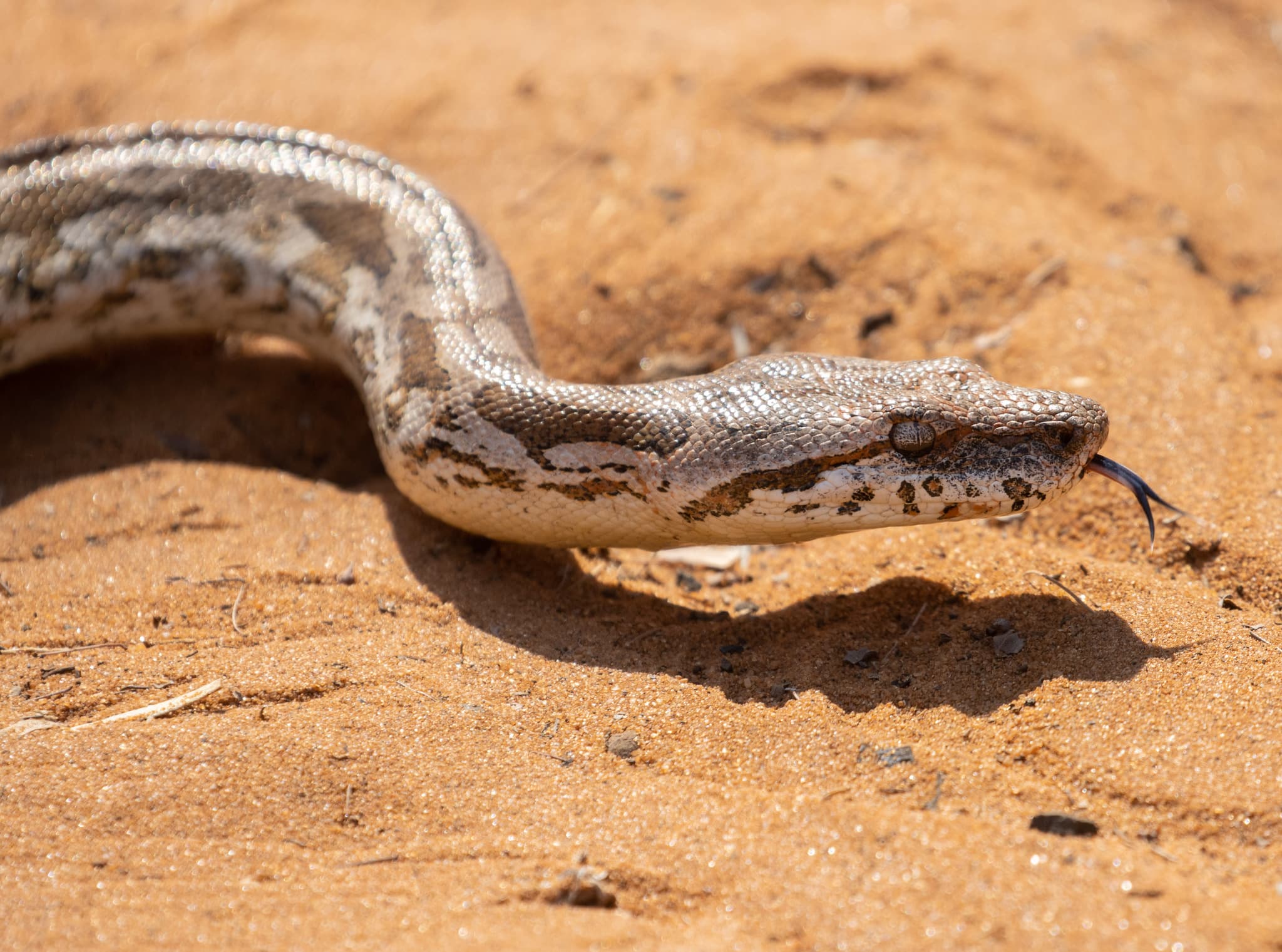
This boa eats vertebrate prey, including small mammals, birds and lizards. It is an ambush predator that relies on camouflage and patience. Chemical information collected by the forked tongue helps locate prey trails. When an animal comes within reach, the boa strikes, grips with recurved teeth and wraps muscular coils around it. Constriction rapidly disrupts blood circulation before the prey is swallowed whole.

Flexible joints in the skull allow the mouth to move over an intact meal much wider than the resting head. Digestion then requires substantial energy, and the snake may remain hidden while processing food. It does not need a daily meal. Wild feeding frequency changes with prey size, temperature and opportunity. This low-frequency predation still has ecological value because the boa participates in controlling small vertebrate populations and transfers energy to its own predators and scavengers.

Behavior and Defense

Dumeril’s Boas are usually solitary and secretive. They can be active by day or night depending on temperature and season, a flexible rhythm sometimes described as cathemeral. Stillness is a major defense: the pattern makes a resting snake difficult to separate from litter and soil. If detected, it may remain motionless, withdraw into cover or move away rather than confront a threat.

A cornered boa can hiss and bite, but it has no venom. Large individuals are powerful wild animals and should never be handled for a photograph. In Madagascar, persecution can follow fear or beliefs about snakes, while birds, mammals and other predators may take young boas. Leaving an escape route and observing from a distance protects the animal and avoids a defensive response.

Reproduction and Development

Dumeril’s Boa gives birth to live young. The embryos develop inside the female rather than in eggs laid in an external nest, a reproductive mode historically called ovoviviparity. Published summaries report gestation lasting several months and litters that can vary widely, often reaching the low double digits. Exact timing and litter size depend on the female and environmental conditions, so they should not be reduced to one universal number.

Newborn boas are independent and patterned like smaller versions of adults. They begin with appropriately sized prey and must avoid a larger set of predators than mature snakes. Growth is relatively slow, and sexual maturity takes several years. Females invest considerable energy in developing a litter, while no extended parental care follows birth. Long reproductive intervals can make local populations sensitive to repeated removal of adult females.

Ecological Role and Conservation

The IUCN Red List assessment from 2011 classifies Acrantophis dumerili as Least Concern with a stable population trend. That assessment replaced older threatened classifications. Least Concern reflects its distribution and status at the time of assessment, but does not erase local pressures from deforestation, charcoal production, persecution, food use and collection. Field studies remain important because the species is difficult to detect when concealed.

International trade is tightly controlled because Dumeril’s Boa is listed in CITES Appendix I. Commercial international trade in wild specimens is generally prohibited, with limited transactions requiring strict permits. Captive breeding exists, but captive animals do not justify taking wild snakes or laundering their origin. Protecting dry and spiny forests benefits this boa along with many other species found nowhere outside Madagascar.

Living Safely Alongside Dumeril’s Boas

A wild Dumeril’s Boa is not a threat that requires killing. It is nonvenomous, avoids people and helps regulate prey populations. Residents and visitors should keep a respectful distance, restrain pets and let the snake move away. If an animal enters a building or another high-conflict setting, a qualified local wildlife responder can remove it without improvised hooks, traps or handling.

Photography should show natural behavior without touching, pinning or repositioning the snake. Land managers can support populations by retaining ground cover, limiting unnecessary burning and maintaining connected native vegetation. Wildlife buyers should verify legal captive origin and applicable permits. These measures address both sides of conservation: keeping habitat functional in Madagascar and preventing demand from becoming pressure on wild populations.

Sources

❓ Frequently Asked Questions

Answers to frequently asked questions verified against peer-reviewed zoological research.

They are endemic to southern and southwestern Madagascar, where they inhabit dry forest, spiny forest, savanna, scrub and some modified habitats.