
Meet the Hognose Snakes
Hognose snakes in the genus Heterodon are stout, ground-dwelling snakes native to North America. Their common name comes from the sharply upturned scale at the tip of the snout. That small shovel-like structure is more than decoration: it helps a snake push through loose soil, sand, and leaf litter while searching for prey or shelter. Four living species are currently recognized in the genus: the eastern, western, Mexican, and southern hognose snakes. They share a recognizable body plan, but their ranges, preferred habitats, adult sizes, and conservation situations differ.
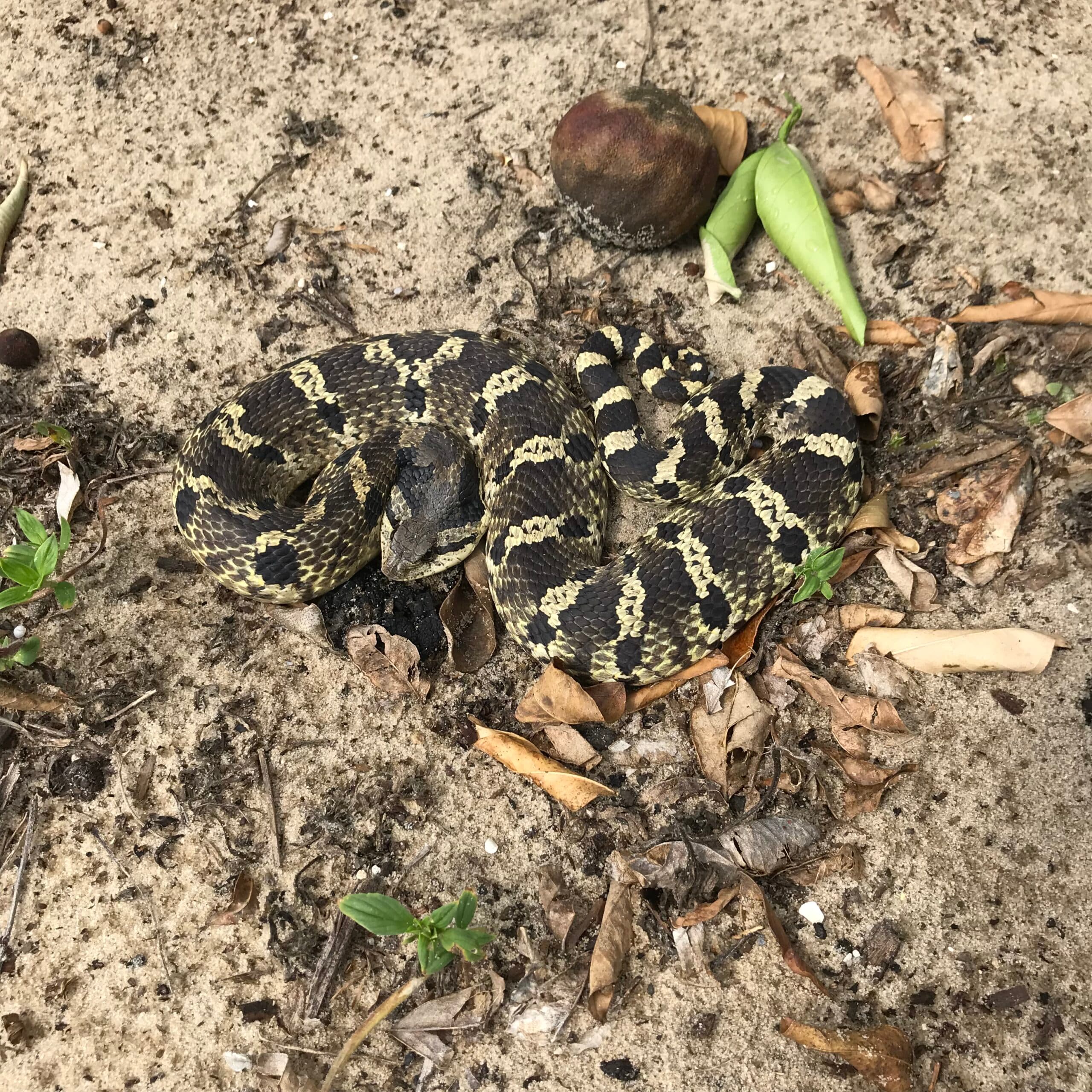
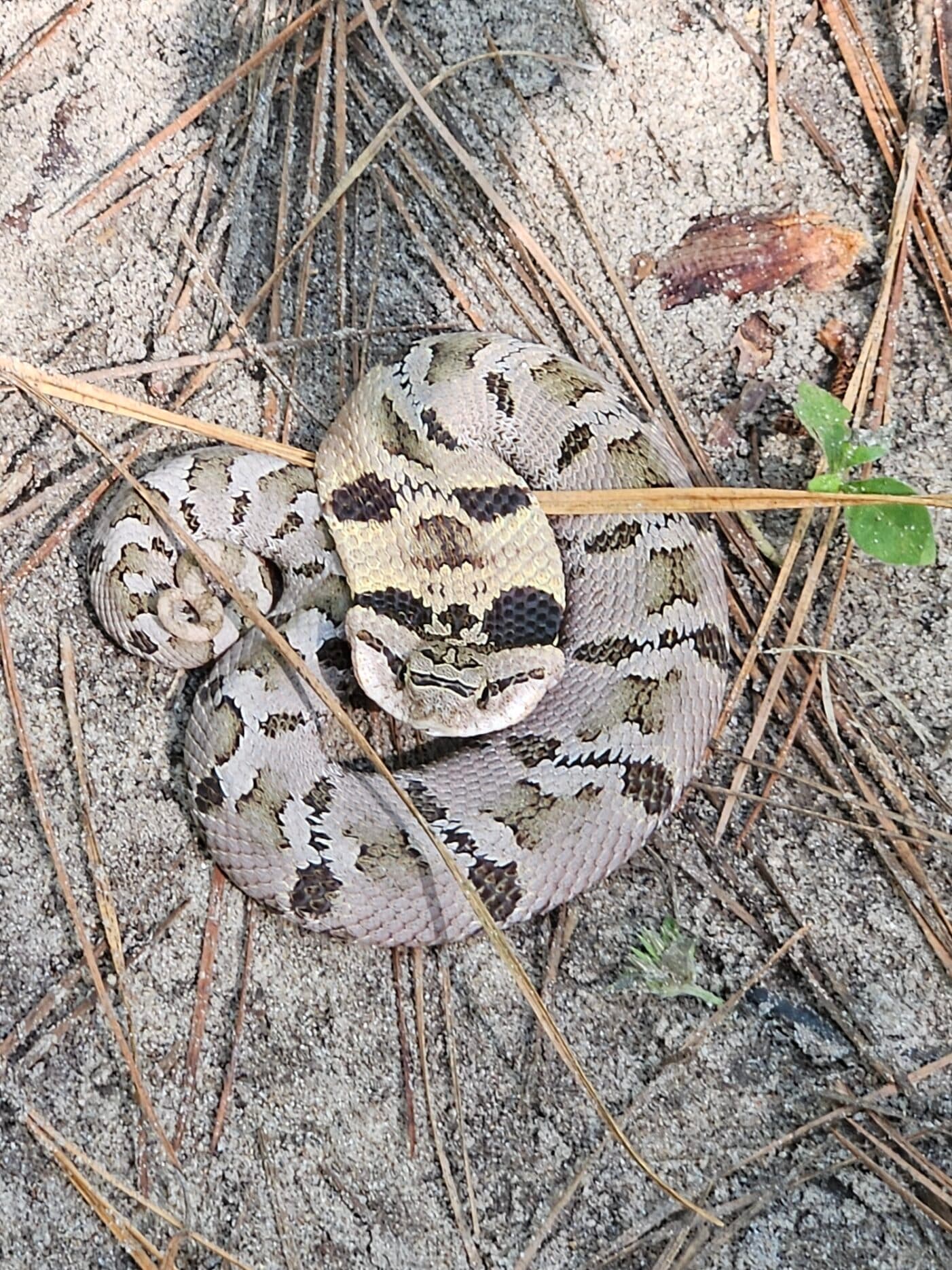
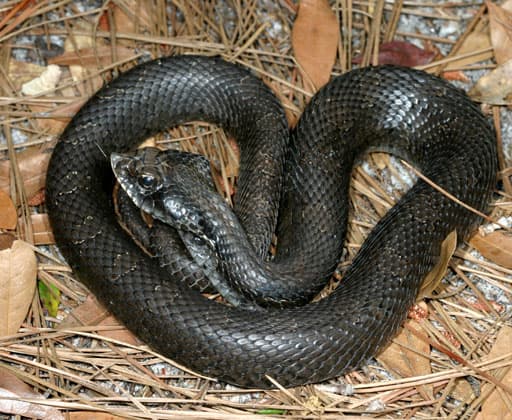
This is a genus-level profile, so measurements and status should never be applied to every hognose snake without checking the species. The eastern hognose, Heterodon platirhinos, is especially widespread and variable in color. Individuals may be yellowish, brown, gray, reddish, olive, or almost black, with patterns that range from bold blotches to nearly uniform coloration.
Identification and the Upturned Snout
A hognose snake has a broad head, thick body, keeled scales, and a short tail. The rostral scale on the nose turns upward and gives the animal its hog-like profile. The exact shape varies among species, but the snout is a useful field clue. Eastern hognose snakes often have large dark blotches along the back and smaller marks on the sides, although very dark adults can hide most of that pattern.
Color alone is unreliable because the genus is remarkably variable. Observers should use several traits together and consider location. The eastern species occupies much of the eastern and central United States and reaches southern Canada. Western and Mexican hognose snakes occur farther west and south, while the southern hognose has a more restricted southeastern range. A photograph taken from a respectful distance can help a local expert confirm an identification.
Range and Habitat
Heterodon occurs from southern Canada through much of the United States into northern Mexico. Across that large area, hognose snakes favor places where they can dig. Sandy pine woods, open woodland, prairie, scrub, coastal plain, old fields, and dunes can all provide suitable conditions. Loose soil matters because these snakes burrow to hide, escape temperature extremes, and seek prey.
Habitat needs are species specific. Eastern hognose snakes use varied dry, well-drained settings, often near amphibian habitat. Southern hognose snakes are closely associated with sandy uplands in the southeastern coastal plain. The U.S. Fish and Wildlife Service has identified habitat loss, fragmentation, roads, and other pressures as concerns for the southern species. Retaining connected patches of open, sandy habitat and using prescribed fire where ecologically appropriate can support the plant and animal community on which it depends.
Diet and Specialized Feeding
Hognose snakes are predators. Toads are particularly important to eastern hognose snakes, while other species may eat frogs, lizards, small mammals, birds, eggs, or other small animals according to opportunity and age. The snout helps the snake investigate soil and leaf litter, and chemical cues sampled by the tongue guide it toward prey.
Members of the genus have enlarged rear teeth. Secretions introduced while the snake holds and chews prey may help subdue or process a meal. This system is effective for feeding but does not make hognose snakes a major danger to people. Defensive bites are uncommon because the animals usually rely on displays and escape. A prolonged bite can cause local pain, swelling, or other symptoms, so a snake should never be picked up or encouraged to bite. Anyone bitten should wash the area and seek medical advice if symptoms develop or worsen.
Defensive Theater
A frightened hognose snake can put on one of the most dramatic defensive displays among North American snakes. It may flatten its neck, raise the front of its body, hiss loudly, and make closed-mouth strikes. The widened neck can resemble a hood, but these snakes are not cobras. The display is a bluff meant to persuade a threat to back away.
If that performance fails, some individuals roll onto the back, open the mouth, release musk, and become limp as if dead. Turning the snake upright may simply prompt it to roll over again. These behaviors are signs of intense stress rather than an invitation to handle the animal. Giving it space and a clear escape route is the best response. The snake usually leaves once it no longer feels threatened.
Daily Life and Seasonal Activity
Hognose snakes spend much of their time at ground level or beneath the surface. They often move during the day, especially when temperatures are moderate, though season, weather, and local climate affect activity. Burrows, loose soil, woody debris, and leaf litter offer refuge. In cold parts of the range, the snakes pass winter in protected underground sites and emerge when conditions warm.
They are generally solitary outside courtship and breeding. Like other snakes, they use tongue-flicking and the vomeronasal system to gather chemical information. Concealing colors, burrowing, and the ability to remain still reduce detection by predators. Birds of prey, mammals, and larger snakes may nevertheless take hognose snakes, while eggs and young face additional threats.
Reproduction and Development
Hognose snakes reproduce sexually and lay eggs. Breeding usually occurs after seasonal emergence, although timing differs across the range. A female selects a protected site in loose soil or beneath cover and deposits a clutch whose size depends on species, body size, and condition. Incubation is shaped by temperature and moisture.
Hatchlings receive no prolonged parental care and must find prey and shelter on their own. Young snakes are miniature versions of adults, already equipped with an upturned snout and defensive behavior. Growth, age at maturity, and lifespan vary among the four species, so a single genus-wide number would be misleading.
Conservation
There is no single conservation category for the genus. A widespread species can be secure in many places while a more localized relative declines. The southern hognose illustrates that difference: its patchy distribution and dependence on fire-maintained sandy uplands make habitat change especially consequential. Road mortality, deliberate killing, collection, and loss of prey can add pressure locally.
People can help by protecting native ground cover, avoiding pesticides that reduce prey, driving carefully on roads through suitable habitat, and leaving wild snakes where they are found. Land managers can preserve habitat connections and natural disturbance processes. Records submitted to reputable biodiversity projects may also improve knowledge of present-day distribution when observations include accurate location and photographs.
Living Safely Alongside Hognose Snakes
Hognose snakes generally avoid people and do not pursue them. When one appears on a trail or property, stay several steps away, keep pets back, and let it move on. Never test its display or attempt to make it play dead. Handling increases stress and creates the small risk of a defensive bite.
Wild snakes should not be taken home. Regulations differ by place, and captive care requires secure housing, carefully controlled temperatures, appropriate food, and access to a reptile veterinarian. Ethical observation protects the animal and gives viewers a better chance to see natural behavior.