
Home/Animals/Reptilia/Horned Lizard
Animal group

Horned Lizard

Phrynosoma

A genus of broad, spiny lizards specialized for ants, camouflage and powerful defense.

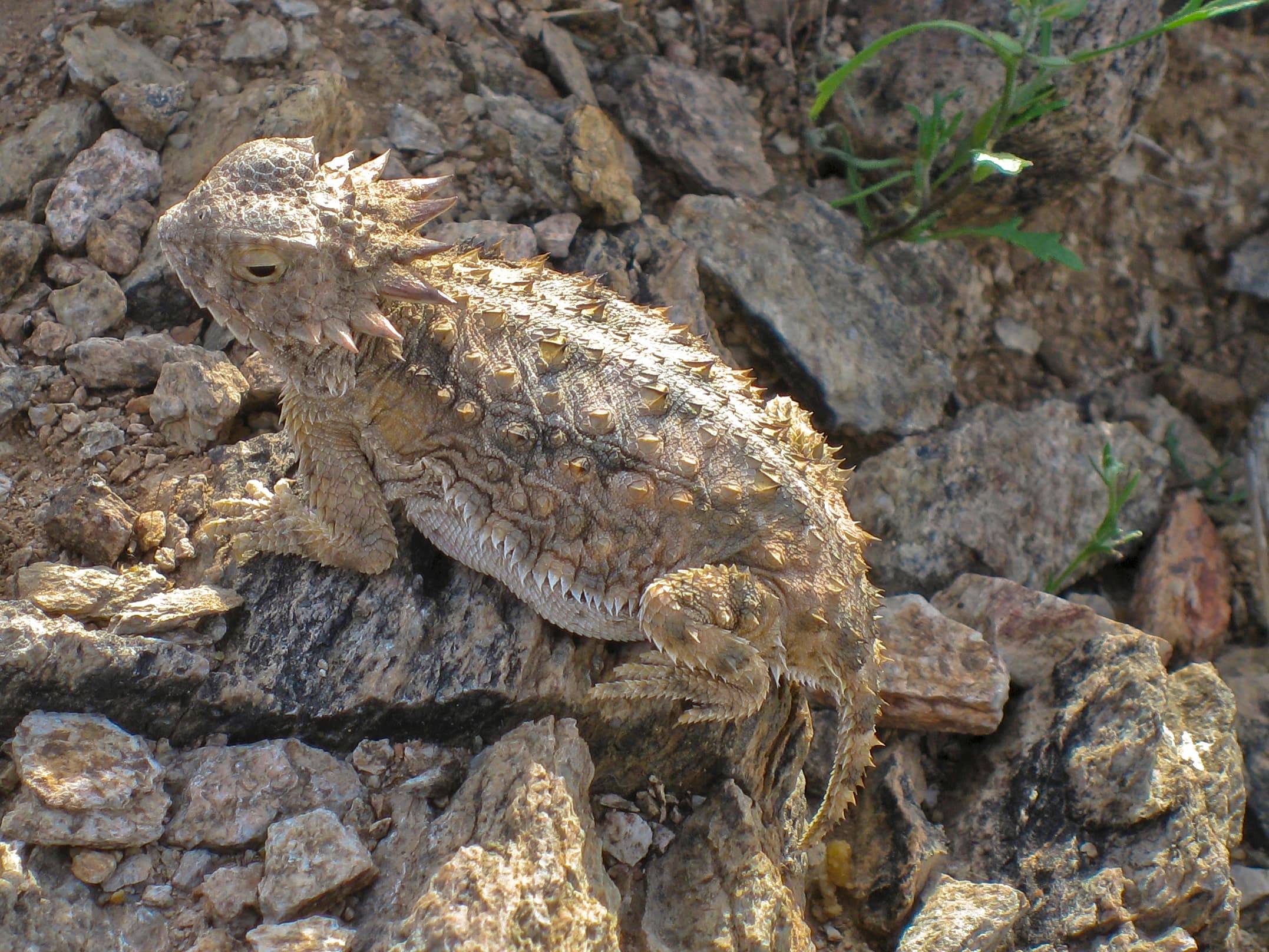
Horned lizard camouflaged among rocky desert soil
Licensed Wikimedia Commons contributors
๐ŸŒ Read in Language:

โšก At a Glance

Animal group
Also Known As
Horned toads; horny toads
Diet Category
Mostly ants and other small invertebrates
Activity Rhythm
Diurnal; temperature-dependent
Wild Lifespan
Species-specific and incompletely documented
Typical Weight
Species-specific
Conservation Status
Varies by species
๐Ÿ’ก Key Biological Insight: Several species can eject blood from the eye region as a last defense against predators, especially canids.

๐ŸŒณ Scientific Taxonomy Hierarchy

Horned lizards are the 18 currently recognized species of genus Phrynosoma in family Phrynosomatidae. This genus page keeps species-level differences explicit.

KingdomAnimalia
PhylumChordata
ClassReptilia
OrderSquamata
FamilyPhrynosomatidae
GenusPhrynosoma
SpeciesMultiple species

Distinguishing Anatomical Features

  • โœ“Flattened rounded body
  • โœ“Cranial horns
  • โœ“Spiny lateral scales
  • โœ“Short tail
  • โœ“Soil-matching camouflage
  • โœ“Broad head

๐Ÿ“ Physical Measurements

Total LengthSpecies-specific; approximately 3โ€“8 in total length across commonly described species
Body WeightSpecies-specific; no valid genus-wide typical weight
Tail LengthShort relative to body; species-specific
WingspanNot applicable
Top SpeedNo reliable genus-wide maximumCamouflage and defensive posture are more important than sustained speed.

๐ŸŽจ Appearance & Distinctive Markings

TanBrownGrayRustCreamBlackReddish orange

Skin / Covering: Dry, keeled scales with enlarged spines

Sexual Dimorphism: Females are often larger than males, but differences vary by species.

๐Ÿ—บ๏ธ Geographic Distribution & Habitat

Native across western North America from southern Canada through the United States and Mexico to Guatemala; individual species occupy much smaller ranges.

Desert, semidesert scrub, prairie, open woodland, sandy flats and high-elevation grassland with loose soil and abundant ants.

Country-level distribution map

Native range
FijiTanzaniaWestern SaharaCanada โ€” Native rangeUnited States โ€” Native rangeKazakhstanUzbekistanPapua New GuineaIndonesiaArgentinaChileCongo - KinshasaSomaliaKenyaSudanChadHaitiDominican RepublicRussiaBahamasFalkland IslandsNorwayGreenlandFrench Southern TerritoriesTimor-LesteSouth AfricaLesothoMexico โ€” Native rangeUruguayBrazilBoliviaPeruColombiaPanamaCosta RicaNicaraguaHondurasEl SalvadorGuatemala โ€” Native rangeBelizeVenezuelaGuyanaSurinameFranceEcuadorPuerto RicoJamaicaCubaZimbabweBotswanaNamibiaSenegalMaliMauritaniaBeninNigerNigeriaCameroonTogoGhanaCรดte dโ€™IvoireGuineaGuinea-BissauLiberiaSierra LeoneBurkina FasoCentral African RepublicCongo - BrazzavilleGabonEquatorial GuineaZambiaMalawiMozambiqueEswatiniAngolaBurundiIsraelLebanonMadagascarPalestinian TerritoriesGambiaTunisiaAlgeriaJordanUnited Arab EmiratesQatarKuwaitIraqOmanVanuatuCambodiaThailandLaosMyanmar (Burma)VietnamNorth KoreaSouth KoreaMongoliaIndiaBangladeshBhutanNepalPakistanAfghanistanTajikistanKyrgyzstanTurkmenistanIranSyriaArmeniaSwedenBelarusUkrainePolandAustriaHungaryMoldovaRomaniaLithuaniaLatviaEstoniaGermanyBulgariaGreeceTรผrkiyeAlbaniaCroatiaSwitzerlandLuxembourgBelgiumNetherlandsPortugalSpainIrelandNew CaledoniaSolomon IslandsNew ZealandAustraliaSri LankaChinaTaiwanItalyDenmarkUnited KingdomIcelandAzerbaijanGeorgiaPhilippinesMalaysiaBruneiSloveniaFinlandSlovakiaCzechiaEritreaJapanParaguayYemenSaudi ArabiaCyprusMoroccoEgyptLibyaEthiopiaDjiboutiUgandaRwandaBosnia & HerzegovinaNorth MacedoniaSerbiaMontenegroKosovoTrinidad & TobagoSouth Sudan
Highlighted countries are recorded profile locations, not precise biological range boundaries.Map boundaries: Natural Earth

๐Ÿ’ก Did You Know?

  • ๐Ÿ’กCranial horns
  • ๐Ÿ’กSpiny side scales
  • ๐Ÿ’กInflatable body
  • ๐Ÿ’กBlood-squirting defense in several species
  • ๐Ÿ’กSoil-matching camouflage
  • ๐Ÿ’กShallow burial

๐ŸŒฟ Conservation Status & Threats

No single assessment recorded

โ€œHorned lizards have no single IUCN category. Conservation must be assessed by species and region; habitat loss, prey decline and collection affect several populations.โ€

CITESSome species are internationally regulated; verify current species-specific rules

โš ๏ธ Major Threats to Horned Lizard

  • โ€ขHabitat conversion
  • โ€ขNative ant loss
  • โ€ขBroad insecticide use
  • โ€ขInvasive ants
  • โ€ขRoad mortality
  • โ€ขCollection for pets

๐Ÿ”„ Life Cycle & Reproduction

Wild vs. Captivity Lifespan Comparison

๐ŸŒฟ In the WildSpecies-specific and incompletely documented
๐Ÿ  In Captivity (with veterinary care)Not a reliable genus-wide guide
Clutch / Litter SizeSpecies-specific; many lay eggs, while short-horned species may bear live young
Incubation / GestationSpecies-specific
Fledging / WeaningYoung are independent after hatching or birth
Sexual MaturitySpecies-specific
Mating SystemSexual reproduction with internal fertilization
Nesting / Den TypeSoil nests in egg-laying species; no nest for live-bearing species

๐Ÿฆ… Behavior & Field Ecology

Insectivore, often ant specialist

๐ŸŒ Ecological Food Web & Relationships: Specialized predator of ants and other small invertebrates in dry North American food webs.

Social Group SizeUsually solitary
Activity RhythmDiurnal and strongly temperature-dependent
Feeding StrategyInsectivore, often ant specialist

๐Ÿฅฉ Primary Prey & Preferred Diet

โœ“ Harvester antsโœ“ Other native antsโœ“ Beetlesโœ“ Grasshoppersโœ“ Spiders

๐Ÿ“ข Communication & Territorial Signals

  • Visual posture
  • Color intensity
  • Chemical cues
  • Touch during courtship

๐Ÿพ Wild Temperament & Traits

โ€ข Still and crypticโ€ข Watchfulโ€ข Reluctant runnerโ€ข Defensive if cornered

๐Ÿค Human Interaction & Pet Advisory

โš ๏ธ Strictly Wild Species
๐Ÿšซ

Can You Keep a Horned Lizard as a Pet?

Poor pet choice. Specialized diets, thermal needs, legal protections and sensitivity to handling make wild collection irresponsible.

Domestication StatusWild genus; not domesticated
Danger to HumansHarmless when left undisturbed
Economic & Ecotourism RoleEcological education, cultural symbolism, biodiversity research and wildlife viewing.

โš ๏ธ Behavioral Risk Factors & Wildlife Safety

  • Handling causes stress
  • Collection can violate wildlife law
  • Specialized ant diet creates welfare risk
  • Provoking defensive behavior is harmful

๐ŸŒ Ecological Food Web & Relationships

Species in this group

  • Phrynosoma asio โ€” Phrynosoma asio
  • Phrynosoma blainvillii โ€” Phrynosoma blainvillii
  • Phrynosoma braconnieri โ€” Phrynosoma braconnieri
  • Phrynosoma cerroense โ€” Phrynosoma cerroense
  • Phrynosoma cornutum โ€” Phrynosoma cornutum
  • Phrynosoma coronatum โ€” Phrynosoma coronatum
  • Phrynosoma ditmarsi โ€” Phrynosoma ditmarsi
  • Phrynosoma douglasii โ€” Phrynosoma douglasii
  • Phrynosoma goodei โ€” Phrynosoma goodei
  • Phrynosoma hernandesi โ€” Phrynosoma hernandesi
  • Phrynosoma mcallii โ€” Phrynosoma mcallii
  • Phrynosoma modestum โ€” Phrynosoma modestum
  • Phrynosoma orbiculare โ€” Phrynosoma orbiculare
  • Phrynosoma ornatissimum โ€” Phrynosoma ornatissimum
  • Phrynosoma platyrhinos โ€” Phrynosoma platyrhinos
  • Phrynosoma sherbrookei โ€” Phrynosoma sherbrookei
  • Phrynosoma solare โ€” Phrynosoma solare
  • Phrynosoma taurus โ€” Phrynosoma taurus

๐Ÿฆ… Natural Predators (4)

Coyotes and foxesCanidae
Hawks and owlsAves
SnakesSerpentes
RoadrunnersGeococcyx

๐Ÿงฌ Related Species (3)

Texas horned lizardPhrynosoma cornutumLong-horned ant specialist of the southern Great Plains and Southwest
Greater short-horned lizardPhrynosoma hernandesiWidespread live-bearing member of the genus
Desert horned lizardPhrynosoma platyrhinosEgg-laying species of western deserts

Horned lizards are a group of broad, flattened desert and grassland reptiles in the genus Phrynosoma. They are often called horned toads or horny toads, but they are true lizards with scales, claws and lungs. The Reptile Database currently recognizes 18 species in the genus. They live across western North America, from southern Canada through the western United States and deep into Mexico. Because this page covers a genus, measurements, reproduction and conservation status differ among member species.

Horns and a flattened body create a distinctive outline

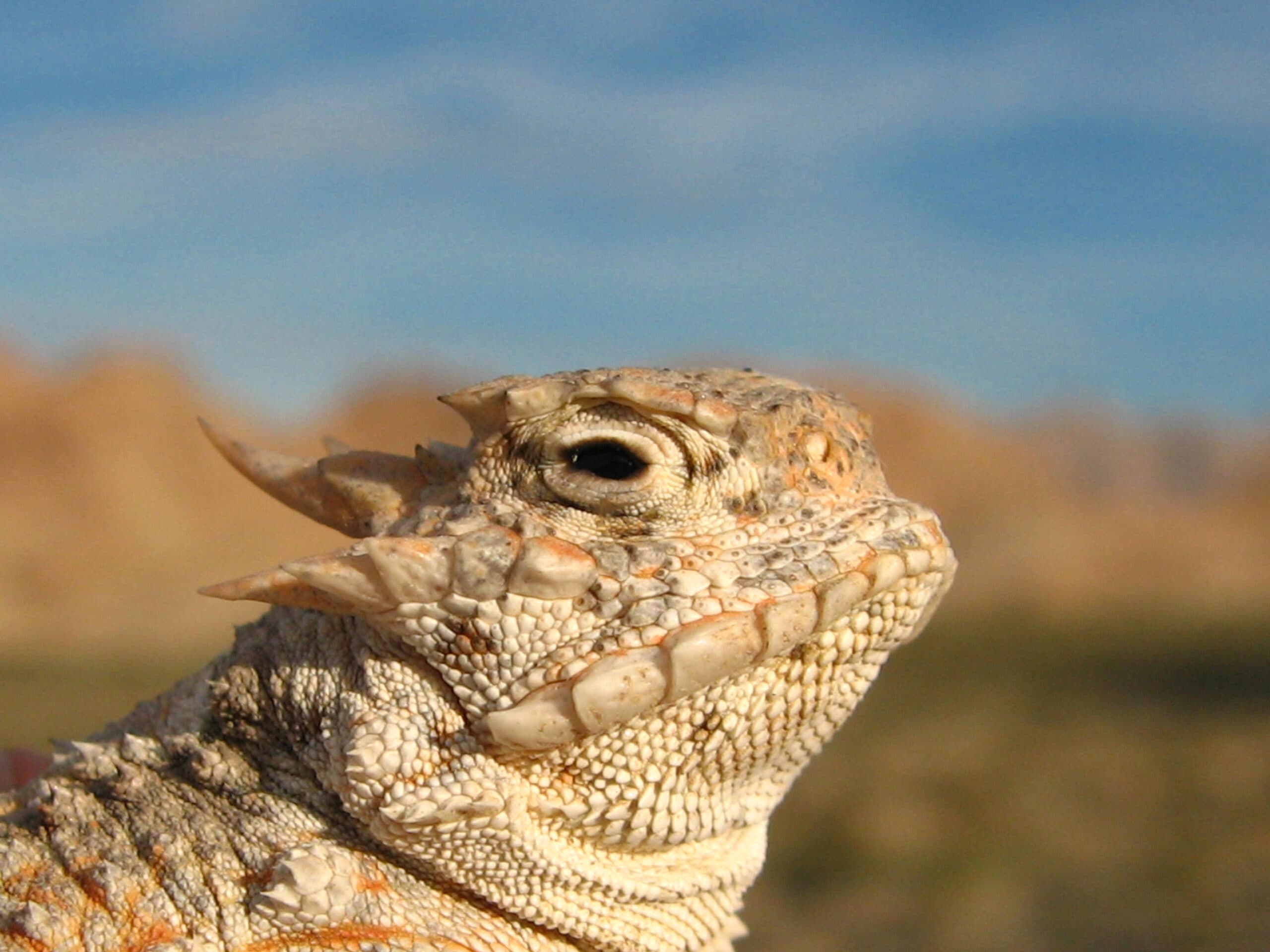
A horned lizard has a short head, a wide body and pointed scales along the sides. Enlarged horns project from the back and sides of the skull. Their number, length and orientation help specialists distinguish species, although location and other scale characters also matter. The tail is short compared with the body, and the legs are sturdy rather than built for long-distance sprinting.

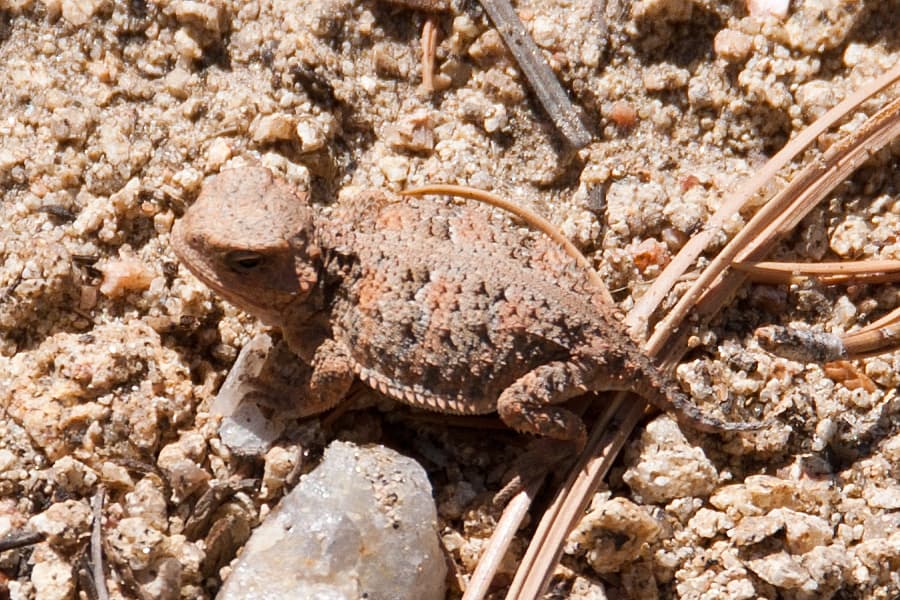
Colors usually echo local soil: gray, tan, rust, brown or reddish patches break up the outline against gravel and sand. Darker markings can align with shadows around stones. Individuals can also adjust color intensity to a limited degree. Sizes vary greatly, from small short-horned species to the giant horned lizard of Mexico, so one universal length or weight would be misleading.

Phrynosoma is a genus, not one species

Horned lizards belong to family Phrynosomatidae and genus Phrynosoma. The genus includes the Texas horned lizard (P. cornutum), greater short-horned lizard (P. hernandesi), desert horned lizard (P. platyrhinos), regal horned lizard (P. solare) and Mexican species such as P. asio. Taxonomic revisions continue as researchers compare morphology and genetics.

This group scope matters. A photograph on this page must identify the representative species when known, and a single IUCN category cannot describe the whole genus. Some species remain widespread, while others have narrow distributions or legal protections. Statements about live birth apply to some short-horned species; many other members lay eggs.

Ranges extend from cold plateaus to hot deserts

Collectively, horned lizards occupy Canada, the United States, Guatemala and Mexico, with the greatest diversity in Mexico and the southwestern United States. Habitats include sandy desert, open scrub, prairie, pine-juniper woodland and high-elevation grassland. Most need open ground for basking alongside loose soil where they can bury themselves.

Their daily schedule follows temperature. A lizard may emerge from shallow soil in the morning, bask until its muscles warm, then forage near ant trails. During extreme heat it can move into shade or burrow. Cold-climate species spend long winters underground. The range map therefore represents the genus at country level and cannot substitute for a species distribution map.

Ants dominate the diet of many species

Many horned lizards specialize on native ants, especially harvester ants, though proportions vary by species and place. They also take beetles, grasshoppers, spiders and other small invertebrates. Rather than chasing prey for long distances, a horned lizard often waits near a trail and snaps up passing insects with a quick tongue and jaw movement.

Ant specialization creates unusual habitat needs. A seemingly vacant patch of soil may contain the colonies that sustain a local population. Broad insecticide use can remove prey even where vegetation remains. Invasive ants may also displace native harvester ants without providing an equivalent food supply, contributing to declines in some regions.

Camouflage is the first of several defenses

The first defense is usually stillness. Soil-colored scales and an irregular outline make the lizard difficult to see. If discovered, it can press flat to the ground or wedge its side into soil so a predator cannot lift it easily. It may inflate the body, making the horns project and the animal harder to swallow. The crown is sometimes tilted toward an attacker.

Several species can raise pressure in vessels around the eyes and eject a narrow stream of blood from the eyelid region. National Park Service accounts report distances approaching one metre. Compounds in the blood are especially distasteful to canid predators such as coyotes. The famous response is a last defense, not a routine display, and people should never provoke it for a photograph.

Reproduction differs between egg-laying and live-bearing species

Most horned lizard species lay eggs in soil. Females dig chambers, deposit a clutch and cover the nest. Incubation time and clutch size vary with species and temperature. Several short-horned lizards in colder environments instead give birth to live young, an adaptation that lets a female move among warmer and cooler sites while embryos develop.

Young receive no prolonged parental care and begin catching small prey after birth or hatching. Growth, age at maturity and lifespan differ across the genus and remain incompletely documented in many wild populations. A group profile must preserve those gaps rather than assigning the best-known figures for the Texas or greater short-horned lizard to every member.

Conservation problems are local but often share common causes

There is no genus-wide IUCN status. Species and regional populations face different conditions. Habitat conversion, roads, off-road vehicles, invasive plants, pesticides, loss of native ants and collection for the pet trade are recurring threats. National Park Service pages note declines where development and ant eradication have altered formerly suitable ground.

State and national laws vary. Some horned lizards are protected from collection, and wildlife in parks must be left in place. The safest rule is never to capture or relocate one. Citizen-science observations can help if the image shows the animal undisturbed and sensitive coordinates are handled responsibly.

Watching without handling protects the lizard

Move slowly, remain several steps away and look for the outline rather than waiting for movement. Do not pick up the animal, block its escape, pour water on it or trigger inflation and blood-squirting. A photograph of the lizard on its original soil preserves useful context for identification and records natural camouflage.

Horned lizards generally make poor pets. Their dependence on abundant native ants, specialized thermal conditions and stress-sensitive behavior is difficult to reproduce. Wild collection removes breeding adults and often ends badly for the animal. Supporting intact native ground cover and avoiding unnecessary insecticide use offers far more value than keeping one in a terrarium.

Sources

โ“ Frequently Asked Questions

Answers to frequently asked questions verified against peer-reviewed zoological research.

No. Horned toad is a nickname; these animals are scaled reptiles in the lizard genus Phrynosoma.