
Animal group

Keelback

Rhabdophis

Asian snakes with keeled scales, amphibian-focused diets, and in some species a remarkable two-part chemical defense.

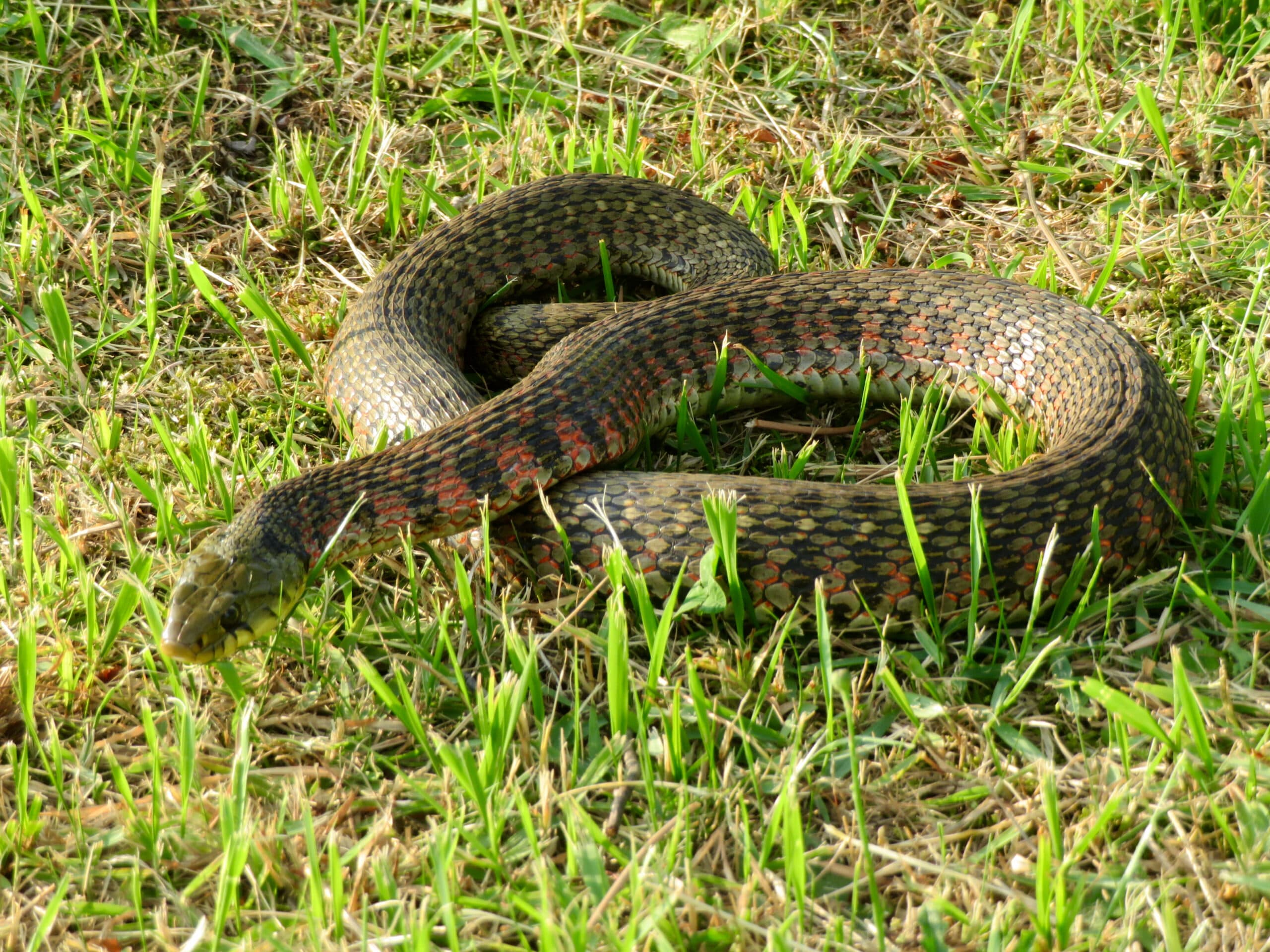
Wild tiger keelback Rhabdophis tigrinus coiled in grass in Japan
KKPCW / CC BY-SA 4.0
๐ŸŒ Read in Language:

โšก At a Glance

Animal group
Also Known As
Asian keelbacks; groove-necked snakes
Diet Category
Carnivore, often specializing on amphibians
Activity Rhythm
Mostly terrestrial and active by day or during humid periods, varying by species
Wild Lifespan
Not reliably quantified across the genus
Typical Weight
Varies widely by species and sex
Conservation Status
Varies by species
๐Ÿ’ก Key Biological Insight: Some Rhabdophis store defensive steroids obtained from toxic toads while also delivering oral venom.

๐ŸŒณ Scientific Taxonomy Hierarchy

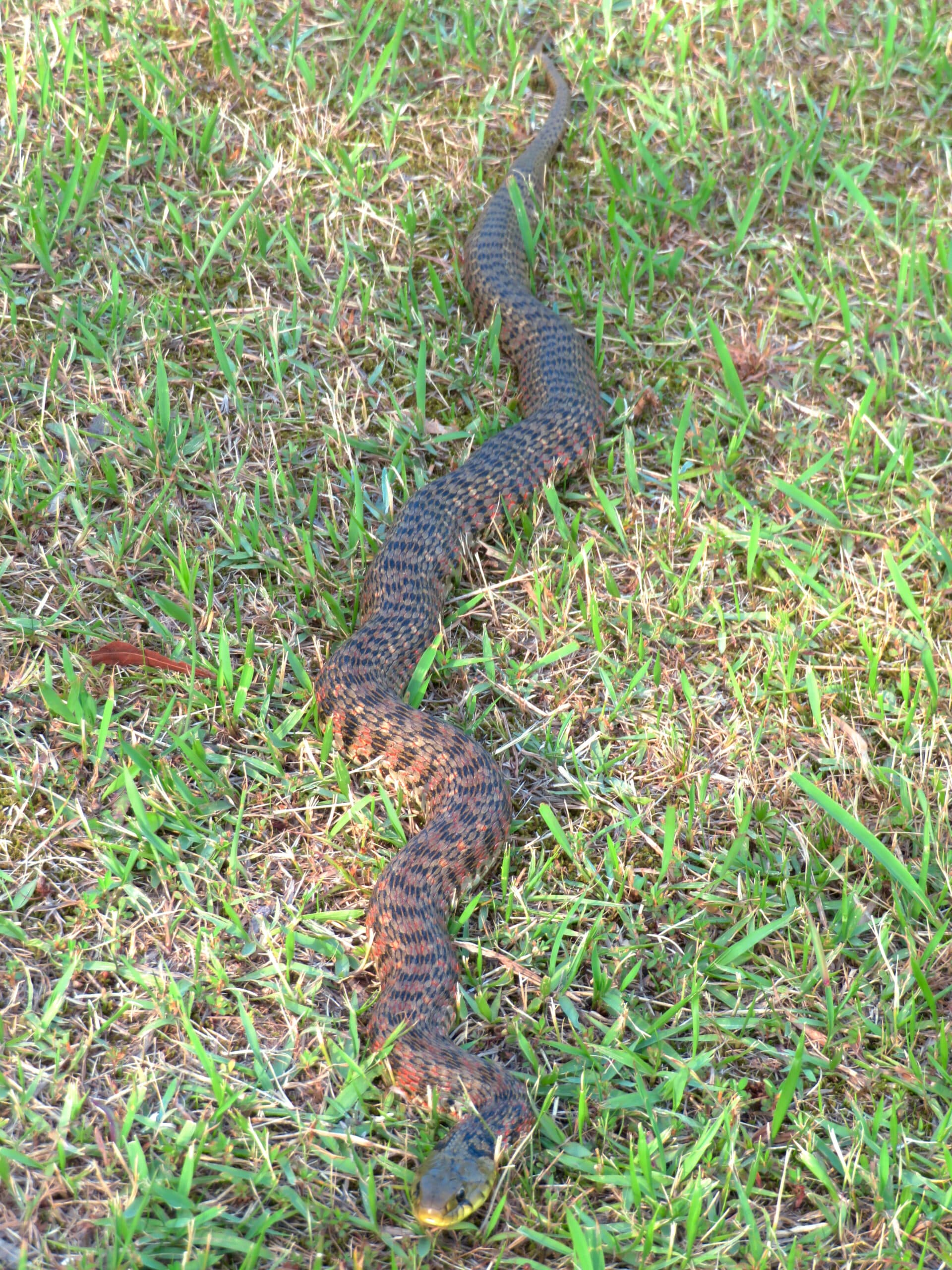
This group profile covers the living Asian genus Rhabdophis. The tiger keelback, Rhabdophis tigrinus, is used as the representative photographed species.

KingdomAnimalia
PhylumChordata
ClassReptilia
OrderSquamata
FamilyColubridae
GenusRhabdophis
Species34 living species listed by the Reptile Database in 2026

Distinguishing Anatomical Features

  • โœ“Strongly keeled dorsal scales
  • โœ“Slender to moderately built body
  • โœ“Many species associated with moist habitats
  • โœ“Rear-fanged dentition in medically significant species
  • โœ“Nuchal defensive glands in several species
  • โœ“Colors ranging from olive and brown to red, orange, yellow, or green

๐Ÿ“ Physical Measurements

Total LengthSpecies-specific; many adults are roughly 2โ€“4 ft
Body WeightBroadly variable across the genus
Tail LengthModerate and tapering
WingspanNot applicable
Top SpeedNo reliable genus-wide maximum

๐ŸŽจ Appearance & Distinctive Markings

OliveBrownGreenBlackYellowOrangeRed

Skin / Covering: Strongly keeled scales

Sexual Dimorphism: Size and color differences vary by species.

๐Ÿ—บ๏ธ Geographic Distribution & Habitat

Genus distributed across South, East, and Southeast Asia, with species-specific ranges.

Wet grasslands, forest margins, rice landscapes, streams, ponds, marshes, and other amphibian-rich habitats.

Country-level distribution map

Native range
FijiTanzaniaWestern SaharaCanadaUnited StatesKazakhstanUzbekistanPapua New GuineaIndonesia โ€” Native rangeArgentinaChileCongo - KinshasaSomaliaKenyaSudanChadHaitiDominican RepublicRussia โ€” Native rangeBahamasFalkland IslandsNorwayGreenlandFrench Southern TerritoriesTimor-LesteSouth AfricaLesothoMexicoUruguayBrazilBoliviaPeruColombiaPanamaCosta RicaNicaraguaHondurasEl SalvadorGuatemalaBelizeVenezuelaGuyanaSurinameFranceEcuadorPuerto RicoJamaicaCubaZimbabweBotswanaNamibiaSenegalMaliMauritaniaBeninNigerNigeriaCameroonTogoGhanaCรดte dโ€™IvoireGuineaGuinea-BissauLiberiaSierra LeoneBurkina FasoCentral African RepublicCongo - BrazzavilleGabonEquatorial GuineaZambiaMalawiMozambiqueEswatiniAngolaBurundiIsraelLebanonMadagascarPalestinian TerritoriesGambiaTunisiaAlgeriaJordanUnited Arab EmiratesQatarKuwaitIraqOmanVanuatuCambodia โ€” Native rangeThailand โ€” Native rangeLaos โ€” Native rangeMyanmar (Burma) โ€” Native rangeVietnam โ€” Native rangeNorth Korea โ€” Native rangeSouth Korea โ€” Native rangeMongoliaIndia โ€” Native rangeBangladesh โ€” Native rangeBhutan โ€” Native rangeNepal โ€” Native rangePakistanAfghanistanTajikistanKyrgyzstanTurkmenistanIranSyriaArmeniaSwedenBelarusUkrainePolandAustriaHungaryMoldovaRomaniaLithuaniaLatviaEstoniaGermanyBulgariaGreeceTรผrkiyeAlbaniaCroatiaSwitzerlandLuxembourgBelgiumNetherlandsPortugalSpainIrelandNew CaledoniaSolomon IslandsNew ZealandAustraliaSri Lanka โ€” Native rangeChina โ€” Native rangeTaiwan โ€” Native rangeItalyDenmarkUnited KingdomIcelandAzerbaijanGeorgiaPhilippines โ€” Native rangeMalaysia โ€” Native rangeBruneiSloveniaFinlandSlovakiaCzechiaEritreaJapan โ€” Native rangeParaguayYemenSaudi ArabiaCyprusMoroccoEgyptLibyaEthiopiaDjiboutiUgandaRwandaBosnia & HerzegovinaNorth MacedoniaSerbiaMontenegroKosovoTrinidad & TobagoSouth Sudan
Highlighted countries are recorded profile locations, not precise biological range boundaries.Map boundaries: Natural Earth

๐Ÿ’ก Did You Know?

  • ๐Ÿ’กKeeled scales
  • ๐Ÿ’กRear enlarged teeth
  • ๐Ÿ’กAmphibian-focused hunting
  • ๐Ÿ’กNuchal defensive glands in several species
  • ๐Ÿ’กDietary toxin sequestration
  • ๐Ÿ’กChemical and visual warning displays

๐ŸŒฟ Conservation Status & Threats

No single assessment recorded

โ€œThe genus has no single conservation category; each species requires a separate assessment.โ€

CITESNo genus-wide CITES listing

โš ๏ธ Major Threats to Keelback

  • โ€ขWetland drainage
  • โ€ขStream alteration
  • โ€ขPesticide use
  • โ€ขRoad mortality
  • โ€ขDeliberate killing
  • โ€ขCollection
  • โ€ขPoorly documented restricted ranges

๐Ÿ”„ Life Cycle & Reproduction

Wild vs. Captivity Lifespan Comparison

๐ŸŒฟ In the WildPoorly quantified across the genus
๐Ÿ  In Captivity (with veterinary care)Not standardized across the genus
Clutch / Litter SizeEgg clutch; number is species-specific and female size
Incubation / GestationVaries with species and temperature
Fledging / WeaningNot applicable
Sexual MaturityNot standardized across the genus
Mating SystemSeasonal courtship
Nesting / Den TypeEggs placed in protected humid sites

๐Ÿฆ… Behavior & Field Ecology

Carnivore

๐ŸŒ Ecological Food Web & Relationships: Mid-level predators that connect amphibian-rich wetlands and forest floors with larger predators.

Social Group SizeUsually solitary
Activity RhythmOften diurnal or active in humid periods; is species-specific
Feeding StrategyCarnivore

๐Ÿฅฉ Primary Prey & Preferred Diet

โœ“ Frogsโœ“ Toadsโœ“ Fishโœ“ Salamandersโœ“ Earthwormsโœ“ Small reptiles

๐Ÿ“ข Communication & Territorial Signals

  • Chemical cues
  • Tongue-flicking
  • Neck flattening or arching
  • Bright defensive displays
  • Musk release

๐Ÿพ Wild Temperament & Traits

โ€ข Alertโ€ข Secretiveโ€ข Quick to fleeโ€ข Defensive if cornered

๐Ÿค Human Interaction & Pet Advisory

๐Ÿพ Domestic / Pet Companion
๐Ÿถ

Keelback as a Pet Companion

Not suitable for casual ownership or handling

Domestication StatusNot domesticated
Danger to HumansPotentially high for medically significant species
Economic & Ecotourism RoleResearch, education, and ecosystem value as predators of amphibians and other small animals.

โš ๏ธ Behavioral Risk Factors & Wildlife Safety

  • Some species can cause serious envenomation
  • Rear-fanged bites may be underestimated
  • Defensive neck secretions can contain potent toxins
  • Species identification is difficult

๐ŸŒ Ecological Food Web & Relationships

๐Ÿงฌ Related Species (2)

Grass snakesNatrixRelated natricine snakes of Europe and western Asia
Asian water snakesFowleaRelated natricine snakes often found near water

๐ŸŒ Ecological Equivalents Across Continents

Garter snakesThamnophis

โ€œKeelbackโ€ is a common name used for several snakes, but this profile covers the living Asian genus Rhabdophis. The Reptile Database currently lists 34 species in the genus. They are natricine snakes with ridged, or keeled, dorsal scales, and many live in moist habitats where frogs and other amphibians are abundant. Tiger keelbacks, red-necked keelbacks, and related species show why this group deserves careful treatment: some possess rear-fanged venom, some store defensive chemicals obtained from toxic prey, and several can do both.

Taxonomic scope and diversity

Rhabdophis belongs to the family Colubridae and subfamily Natricinae. ITIS recognizes the genus as valid, while the Reptile Database lists species ranging from India and Sri Lanka through mainland Southeast Asia, China, Taiwan, Korea, Japan, Indonesia, and the Russian Far East. New species continue to be described, and older field guides may apply names differently. For that reason, a photograph or observation should be identified to species only when location and diagnostic characters support the conclusion.

The tiger keelback, Rhabdophis tigrinus, is used as the representative species in this profile because its biology is unusually well studied. It does not stand for every detail of every Rhabdophis species. Body size, color, range, diet, reproductive timing, conservation status, and medical significance vary across the genus. Most members are slender to moderately built snakes, with obvious keels running along the scales and colors that can include olive, brown, black, yellow, orange, red, or green.

Range and habitat

As a genus, Rhabdophis is centered in South, East, and Southeast Asia. Species occupy wet grasslands, forest margins, rice-growing landscapes, stream edges, ponds, marshes, and other places where amphibian prey is available. Some occur in mountains, others in lowlands, and several tolerate a degree of human modification. A single genus-level map therefore represents a combined regional range rather than the distribution of every species.

Moisture often shapes where keelbacks hunt. Frogs and toads gather near water or emerge during rain, giving these snakes concentrated feeding opportunities. Cover from grass, leaf litter, stones, and low vegetation also lets a snake move without remaining exposed. Seasonal temperature and rainfall can change daily activity, with animals basking during cool periods and retreating when conditions become too hot or dry.

Diet and hunting

Many Rhabdophis feed heavily on frogs and toads, although fish, salamanders, earthworms, lizards, and other small vertebrates may be taken by some species. They locate prey using sight and chemical cues gathered by tongue-flicking. A quick strike and firm hold are usually more important than constriction. Enlarged rear teeth can help deliver venom from oral glands while the snake maintains its grip.

โ€œRear-fangedโ€ does not mean harmless. The fangs sit toward the back of the upper jaw, so brief defensive contact may deliver little venom, but a sustained bite can allow more effective delivery. Documented bites from tiger keelbacks and red-necked keelbacks have caused severe systemic effects, including dangerous disruption of blood clotting. Anyone bitten should seek urgent medical assessment and should not wait for symptoms to worsen.

A two-part chemical defense

The best-known Rhabdophis species combine venom used in feeding with a separate defensive system. Specialized nuchal glands in the neck can hold bufadienolides, potent steroid compounds obtained from eating toxic toads. Research on Rhabdophis tigrinus showed that snakes from places with toads stored these compounds, while snakes deprived of toads lacked them. Mothers with high toxin levels could also provision offspring before birth.

When threatened, a snake may arch or flatten its neck, presenting the gland region to an attacker. Pressure can release the stored secretion. This makes some keelbacks both venomous, because they can deliver oral venom through a bite, and poisonous, because their tissues or neck-gland secretions contain toxins acquired through diet. The strength of the stored defense can differ among populations according to prey availability, so the same species may not have identical chemical protection everywhere.

Behavior and reproduction

Keelbacks generally rely first on camouflage and escape. When cornered, some flatten the body, raise the neck, display bright colors, release musk, or strike. These displays should be read as requests for distance. Observers should never pick up or pin a wild animal for a photograph, especially because species-level identification and medical risk may be uncertain.

Species in the genus lay eggs. Mating and nesting seasons vary with latitude, elevation, and rainfall. Females place clutches in protected, humid sites where embryos can develop without drying. Hatchlings are independent. Young snakes often take small amphibians and other prey they can overpower, while larger individuals expand their diet as body and jaw size increase.

Ecological role and conservation

Rhabdophis species are mid-level predators and prey. By eating amphibians and other small animals, they move energy from wetlands and forest floors into the wider food web. In turn, birds, mammals, and larger snakes may prey on them, although nuchal toxins can deter some attackers. Their dependence on frogs ties their welfare to clean water, intact wetland edges, and amphibian populations.

There is no single IUCN category for the entire genus. Each species must be assessed separately, and some remain poorly known or have restricted ranges. Wetland drainage, stream alteration, pesticide use, road mortality, deliberate killing, and collection can affect local populations. Conservation should protect habitat mosaics and improve survey data without revealing sensitive collection sites.

Living safely alongside keelbacks

A wild keelback should be watched from a distance and allowed an escape route. Do not handle it, block it, or attempt to test whether it is venomous. Keep children and pets away, and contact a trained local wildlife responder if a snake must be moved from a building. Photographs taken without disturbance can help qualified experts identify the animal.

If a bite occurs, move away safely, keep the bitten person calm and still, remove rings or tight clothing, and seek emergency medical care. Do not cut the wound, apply ice, use suction, or place a tight tourniquet. Even when early pain is mild, delayed bleeding problems can be serious. Accurate location information and a safe photograph can assist clinicians, but nobody should risk another bite to capture the snake.

Sources

โ“ Frequently Asked Questions

Answers to frequently asked questions verified against peer-reviewed zoological research.

This profile covers Rhabdophis, a living Asian genus of 34 currently listed species with ridged dorsal scales and many amphibian-focused hunters.