
Animal group

Lynx

Lynx

Four short-tailed wild cat species adapted to forests, scrublands, mountains and snowy northern landscapes.

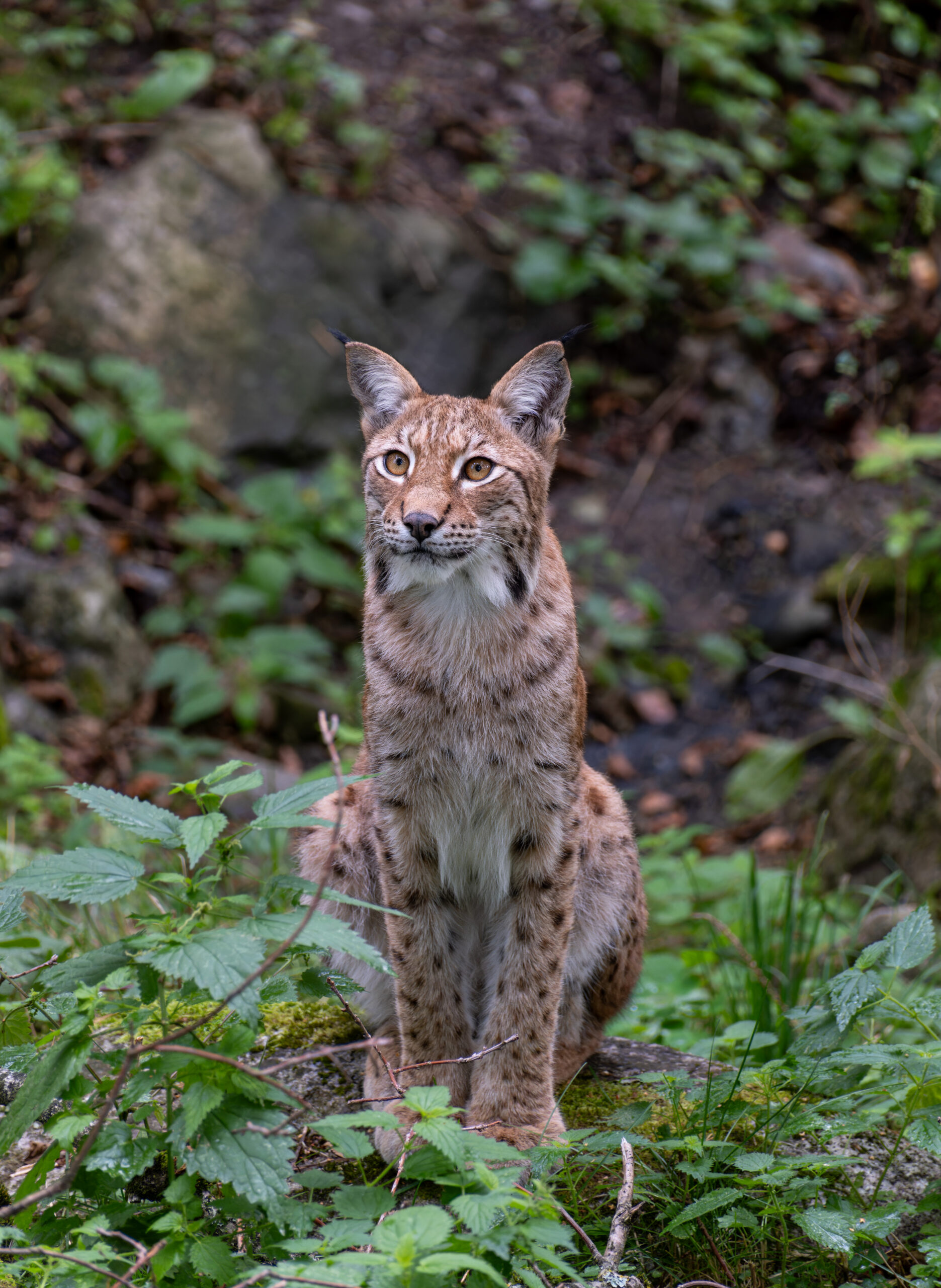
Eurasian lynx sitting upright with black ear tufts visible
Jules Verne Times Two / julesvernex2.com / Wikimedia Commons / CC BY-SA 4.0; photograph shows a Eurasian lynx
๐ŸŒ Read in Language:

โšก At a Glance

Animal group
Also Known As
Lynx cat; lynxes
Diet Category
Obligate carnivore
Activity Rhythm
Mostly crepuscular and nocturnal
Wild Lifespan
Species-specific; often roughly 7โ€“15 years for surviving adults
Typical Weight
About 6โ€“30 kg across species and sex
Conservation Status
Varies by species
๐Ÿ’ก Key Biological Insight: The genus contains exactly four living species, including the bobcat.

๐ŸŒณ Scientific Taxonomy Hierarchy

Lynx is a genus of four living species in the cat family Felidae: Eurasian lynx, Canada lynx, Iberian lynx and bobcat.

KingdomAnimalia
PhylumChordata
ClassMammalia
OrderCarnivora
FamilyFelidae
GenusLynx

Distinguishing Anatomical Features

  • โœ“Short tail
  • โœ“Black ear tufts
  • โœ“Flared facial ruff
  • โœ“Long legs and broad paws

๐Ÿ“ Physical Measurements

Total LengthRoughly 26โ€“51 in
Body WeightAbout 13โ€“66 lb
Tail LengthUsually about 2โ€“10 in
WingspanNot applicable

๐ŸŽจ Appearance & Distinctive Markings

GrayBrownTawnyReddish brownBlack spotsWhite undersideBlack ear tipsDark tail tip

Skin / Covering: Dense fur

Sexual Dimorphism: Males are generally larger and heavier than females.

๐Ÿ—บ๏ธ Geographic Distribution & Habitat

North America, Europe and Asia

Boreal and temperate forest, Mediterranean scrub, mountains, wetlands, desert edges and other landscapes with prey and stalking cover.

Country-level distribution map

Native range
FijiTanzaniaWestern SaharaCanada โ€” Native rangeUnited States โ€” Native rangeKazakhstan โ€” Native rangeUzbekistan โ€” Native rangePapua New GuineaIndonesiaArgentinaChileCongo - KinshasaSomaliaKenyaSudanChadHaitiDominican RepublicRussia โ€” Native rangeBahamasFalkland IslandsNorway โ€” Native rangeGreenlandFrench Southern TerritoriesTimor-LesteSouth AfricaLesothoMexico โ€” Native rangeUruguayBrazilBoliviaPeruColombiaPanamaCosta RicaNicaraguaHondurasEl SalvadorGuatemalaBelizeVenezuelaGuyanaSurinameFrance โ€” Native rangeEcuadorPuerto RicoJamaicaCubaZimbabweBotswanaNamibiaSenegalMaliMauritaniaBeninNigerNigeriaCameroonTogoGhanaCรดte dโ€™IvoireGuineaGuinea-BissauLiberiaSierra LeoneBurkina FasoCentral African RepublicCongo - BrazzavilleGabonEquatorial GuineaZambiaMalawiMozambiqueEswatiniAngolaBurundiIsraelLebanonMadagascarPalestinian TerritoriesGambiaTunisiaAlgeriaJordanUnited Arab EmiratesQatarKuwaitIraqOmanVanuatuCambodiaThailandLaosMyanmar (Burma)VietnamNorth Korea โ€” Native rangeSouth KoreaMongolia โ€” Native rangeIndia โ€” Native rangeBangladeshBhutan โ€” Native rangeNepal โ€” Native rangePakistan โ€” Native rangeAfghanistan โ€” Native rangeTajikistan โ€” Native rangeKyrgyzstan โ€” Native rangeTurkmenistan โ€” Native rangeIranSyriaArmenia โ€” Native rangeSweden โ€” Native rangeBelarus โ€” Native rangeUkraine โ€” Native rangePoland โ€” Native rangeAustria โ€” Native rangeHungary โ€” Native rangeMoldovaRomania โ€” Native rangeLithuania โ€” Native rangeLatvia โ€” Native rangeEstonia โ€” Native rangeGermany โ€” Native rangeBulgaria โ€” Native rangeGreece โ€” Native rangeTรผrkiye โ€” Native rangeAlbania โ€” Native rangeCroatia โ€” Native rangeSwitzerland โ€” Native rangeLuxembourgBelgiumNetherlandsPortugal โ€” Native rangeSpain โ€” Native rangeIrelandNew CaledoniaSolomon IslandsNew ZealandAustraliaSri LankaChina โ€” Native rangeTaiwanItaly โ€” Native rangeDenmarkUnited KingdomIcelandAzerbaijan โ€” Native rangeGeorgia โ€” Native rangePhilippinesMalaysiaBruneiSlovenia โ€” Native rangeFinland โ€” Native rangeSlovakia โ€” Native rangeCzechia โ€” Native rangeEritreaJapanParaguayYemenSaudi ArabiaCyprusMoroccoEgyptLibyaEthiopiaDjiboutiUgandaRwandaBosnia & Herzegovina โ€” Native rangeNorth Macedonia โ€” Native rangeSerbia โ€” Native rangeMontenegro โ€” Native rangeKosovoTrinidad & TobagoSouth Sudan
Highlighted countries are recorded profile locations, not precise biological range boundaries.Map boundaries: Natural Earth

๐Ÿ’ก Did You Know?

  • ๐Ÿ’กBroad paws spread weight on snow.
  • ๐Ÿ’กDense seasonal fur insulates northern species.
  • ๐Ÿ’กAcute hearing locates prey hidden by vegetation or snow.
  • ๐Ÿ’กShort tails reduce exposed surface in cold conditions.

๐ŸŒฟ Conservation Status & Threats

No single assessment recorded

โ€œThe genus has no single IUCN category. The Iberian lynx is Vulnerable following its 2024 improvement, while other species require their own global and regional assessments.โ€

CITESCITES Appendix II for Lynx species, with trade provisions differing by population and jurisdiction

โš ๏ธ Major Threats to Lynx

  • โ€ขHabitat fragmentation
  • โ€ขRoad mortality
  • โ€ขIllegal killing and unsustainable harvest
  • โ€ขLoss or cycling of key prey
  • โ€ขClimate-driven habitat and snow changes

๐Ÿ”„ Life Cycle & Reproduction

Wild vs. Captivity Lifespan Comparison

๐ŸŒฟ In the WildSpecies-specific
๐Ÿ  In Captivity (with veterinary care)Species-specific
Clutch / Litter SizeUsually 2โ€“4 kittens
Incubation / GestationGestation roughly 60โ€“75 days depending on species
Fledging / WeaningKittens leave the den gradually and remain with their mother for many months
Sexual MaturityUsually about 1โ€“3 years
Mating SystemPolygynous or promiscuous
Nesting / Den TypeSheltered den among rocks, roots, hollow logs or dense vegetation

๐Ÿฆ… Behavior & Field Ecology

Obligate carnivore

๐ŸŒ Ecological Food Web & Relationships: Predators that regulate small and medium-sized vertebrate prey and compete with other carnivores.

Social Group SizeUsually solitary; mother with dependent kittens
Activity RhythmMostly crepuscular and nocturnal
Feeding StrategyObligate carnivore

๐Ÿฅฉ Primary Prey & Preferred Diet

โœ“ Hares and rabbitsโœ“ Rodentsโœ“ Birdsโœ“ Small ungulatesโœ“ Other locally available vertebrates

๐Ÿ“ข Communication & Territorial Signals

  • Scent marks
  • Scrapes
  • Growls and hisses
  • Mating calls
  • Mother-kitten contact calls

๐Ÿพ Wild Temperament & Traits

โ€ข Secretiveโ€ข Solitaryโ€ข Alertโ€ข Territorial through scent marking

๐Ÿค Human Interaction & Pet Advisory

โš ๏ธ Strictly Wild Species
๐Ÿšซ

Can You Keep a Lynx as a Pet?

Not suitable as pets; ownership is restricted and conflicts with welfare needs.

Domestication StatusWild and not domesticated
Danger to HumansLow when left undisturbed
Economic & Ecotourism RoleImportant to ecotourism, cultural identity and healthy predator communities; some populations are legally harvested under regulation.

โš ๏ธ Behavioral Risk Factors & Wildlife Safety

  • A cornered or handled wild cat can inflict serious bites and scratches

๐ŸŒ Ecological Food Web & Relationships

Species in this group

  • Eurasian Lynx โ€” Lynx lynx
  • Canada Lynx โ€” Lynx canadensis
  • Iberian Lynx โ€” Lynx pardinus
  • Bobcat โ€” Lynx rufus

๐Ÿฆ… Natural Predators (2)

WolvesCanis lupus
CougarsPuma concolor

๐Ÿงฌ Related Species (2)

PumaPuma concolorRelated cat in subfamily Felinae
CaracalCaracal caracalAnother tuft-eared wild cat, but not a lynx

Lynx is a genus of four short-tailed wild cat species: the Eurasian lynx, Canada lynx, Iberian lynx and bobcat. All have pointed ears, facial ruffs and relatively long legs, but they differ greatly in size, habitat, prey and conservation status.

These cats live across much of the Northern Hemisphere. The Eurasian lynx ranges from parts of western Europe across Russia and Central Asia; the Iberian lynx is restricted to Spain and Portugal; and the Canada lynx and bobcat occupy different but overlapping parts of North America. No single measurement or Red List category describes the whole genus.

The four living lynx species

  • Eurasian lynx (Lynx lynx) โ€” the largest species, distributed across forested regions of Europe and Asia.
  • Canada lynx (Lynx canadensis) โ€” a boreal-forest specialist closely tied to snowshoe hare populations.
  • Iberian lynx (Lynx pardinus) โ€” a rabbit specialist native to the Iberian Peninsula.
  • Bobcat (Lynx rufus) โ€” the most adaptable North American member, found from southern Canada through much of the United States into Mexico.

Genetic and anatomical evidence supports these four as a natural genus within the cat family Felidae. โ€œLynx catโ€ is therefore not a separate breed or species; every lynx is a wild cat in genus Lynx.

Ear tufts, ruffs and short tails

Lynxes share a compact body, a very short tail, triangular ears tipped with dark hair and a cheek ruff that can flare outward. Their coats range from nearly plain gray to tawny or reddish with strong spots. The short tail usually ends in a dark tip, although the amount and pattern of black help distinguish species.

The Eurasian lynx is much larger than the other three, with large males sometimes exceeding 25 kilograms. Iberian and Canada lynxes are medium-sized, while bobcats vary considerably across their broad range. Males are generally heavier than females.

Ear tufts may help with visual communication or sensing nearby air movement, but their exact function is unresolved. They do not give lynxes supernatural hearing. The cats already have mobile external ears and acute hearing useful for detecting prey hidden by vegetation or snow.

Feet, fur and seasonal adaptation

Canada lynxes have especially broad, heavily furred feet that spread their weight over soft snow. Long legs and a dense winter coat also suit deep, cold boreal forests. Eurasian lynxes show similar cold-weather adaptations, although their enormous range includes mountains, mixed woodland and drier country.

Iberian lynxes have a more strongly spotted coat and long dark facial ruffs. They hunt through Mediterranean scrub and open woodland rather than deep snow. Bobcats have the widest habitat tolerance, occupying forests, swamps, deserts, shrublands, mountains and even developed edges where cover and prey remain.

Range and habitat

Together, lynxes occur from the Pacific coast of North America across Canada and the United States, through Mexico, and from western Europe across northern and central Asia. Their combined range is broad, but each species occupies only part of it.

Cover is important for stalking, resting and raising young. Forests, scrub, rocky slopes, fallen timber and dense vegetation conceal a hunting cat and its den. Roads and development can fragment populations, while snow conditions, wildfire and land management change the distribution of prey and cover.

The Iberian lynx has the smallest natural range. Intensive recovery has restored populations in parts of Spain and Portugal, and the IUCN improved its status from Endangered to Vulnerable in 2024. It remains conservation-dependent and still faces road deaths, habitat pressures and changes in rabbit abundance.

Diet and hunting

All four species are obligate carnivores that usually stalk or ambush prey. Hares and rabbits are central to the diets of Canada and Iberian lynxes. Bobcats take rabbits, rodents, birds and sometimes deer, while Eurasian lynxes can kill larger prey such as roe deer in addition to hares and smaller animals.

A lynx approaches quietly using vegetation, terrain or snow for concealment, then accelerates over a short distance. It is built for a close attack rather than a long pursuit. Strong forelimbs secure the prey, and the cat bites the neck or throat.

Canada lynx numbers often rise and fall after snowshoe hare cycles. This relationship illustrates why a predator’s population cannot be understood without its food web. Iberian lynx recovery likewise depends heavily on maintaining healthy European rabbit populations.

Territories and communication

Lynxes are mainly solitary. Adult home ranges overlap to varying degrees, but individuals generally hunt alone. They mark routes and prominent objects with urine, feces, scrapes and cheek rubbing. Scent tells neighboring cats about identity, sex and reproductive condition without requiring a direct encounter.

Most movement occurs around dusk, night or dawn, although weather, human activity and prey behavior can shift the schedule. These cats can travel many kilometers within a home range. They climb and swim when needed, but spend most hunting time on the ground.

Lynx kittens and development

A baby lynx is called a kitten. Mating usually occurs once a year, with births timed so growing kittens encounter abundant prey. After a pregnancy of roughly two months, the female gives birth in a sheltered den beneath roots, rocks, fallen trees or dense vegetation.

Litters commonly contain two to four kittens, though species and food conditions affect the number. Newborns are blind and dependent. Their eyes open during the first weeks, and they begin sampling solid food before they are fully weaned.

The mother alone provides milk, protection and hunting instruction. Kittens follow her as they grow, watching and practicing the movements needed to locate and capture prey. They normally remain with her for many months and separate before the next breeding season. Poor prey years can sharply reduce kitten survival.

Conservation status by species

The genus has no single IUCN status. The bobcat, Canada lynx and Eurasian lynx have broad distributions, but particular regional populations may be small, isolated or legally protected. The Iberian lynx is globally Vulnerable after one of the most successful cat recovery programs, improving from Endangered in the 2024 assessment.

Threats differ by place and species. Habitat fragmentation, road mortality, illegal killing, depleted prey and poorly managed trapping can affect populations. Climate change may reduce the deep-snow advantage of Canada lynxes and alter boreal habitat. Hybridization with bobcats is also monitored where the two meet.

Conservation requires connected habitat, safe road crossings, sustainable prey populations and species-specific monitoring. Reintroduction and captive breeding have been important for the Iberian lynx, while large connected landscapes are especially important for Eurasian and Canada lynxes.

Sources and further reading

โ“ Frequently Asked Questions

Answers to frequently asked questions verified against peer-reviewed zoological research.

There are four living species: Eurasian lynx, Canada lynx, Iberian lynx and bobcat.