
Home/Animals/Reptilia/Queen Snake
Species profileIUCN: LC

Queen Snake

Regina septemvittata

A harmless North American stream snake that specializes in freshly molted crayfish.

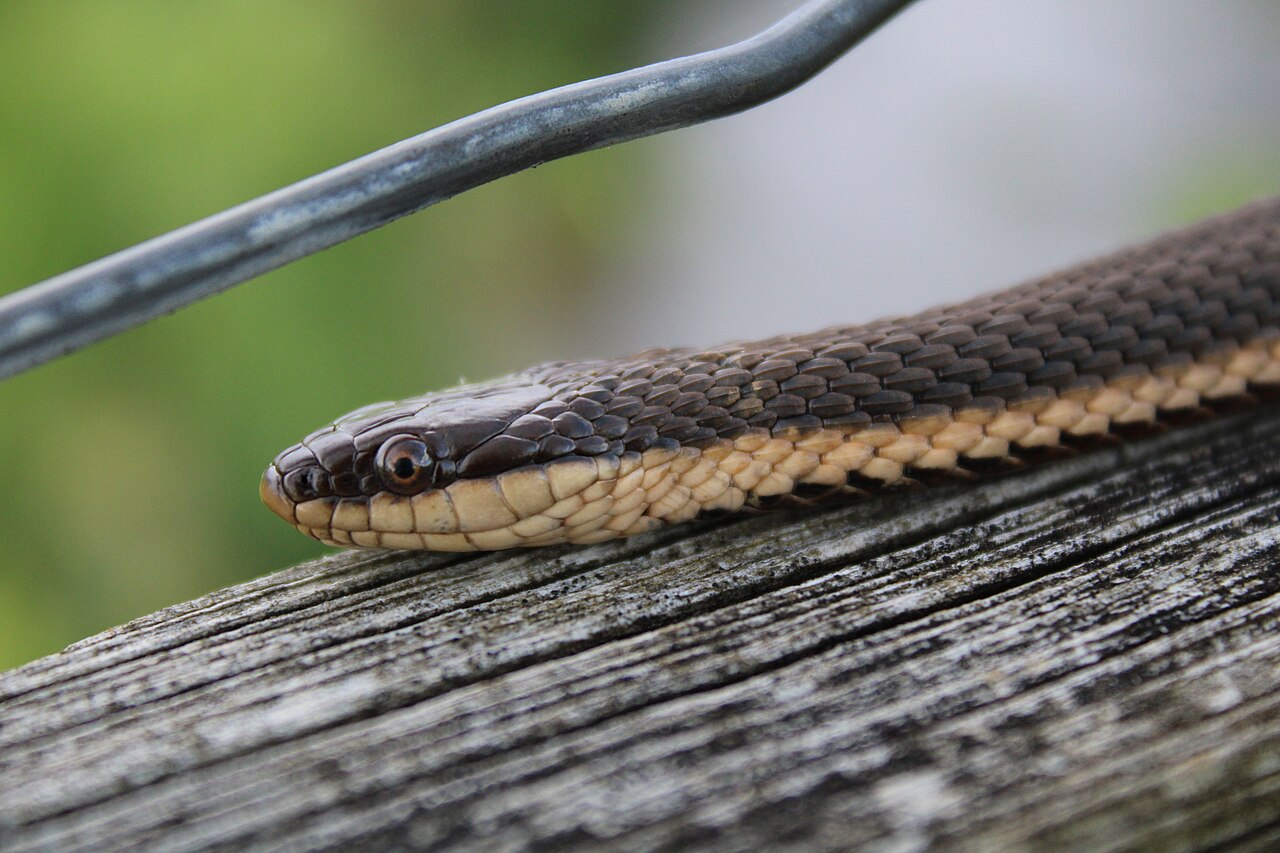
Queen snake resting on vegetation in Virginia, showing its slender brown body and pale side stripe
Rebecca Hawkins / Wikimedia Commons / CC0 1.0
๐ŸŒ Read in Language:

โšก At a Glance

Species profile
Diet Category
Crayfish specialist
Activity Rhythm
Mostly diurnal in warm weather, with basking and foraging from spring through autumn.
Wild Lifespan
Wild lifespan is poorly known; one captive exceeded 19 years
Typical Weight
often 50โ€“150 g depending on size and condition
Conservation Status
LC
๐Ÿ’ก Key Biological Insight: Queen snakes usually avoid hard-shelled crayfish and target individuals that have just molted, when the exoskeleton is soft enough to swallow.

๐ŸŒณ Scientific Taxonomy Hierarchy

The queen snake is a species in family Colubridae and the only living species currently placed in genus Regina. Older literature sometimes grouped it with water snakes, but it is distinct from Nerodia species.

KingdomAnimalia
PhylumChordata
ClassReptilia
OrderSquamata
FamilyColubridae
GenusRegina
SpeciesRegina septemvittata

Distinguishing Anatomical Features

  • โœ“A slim olive-brown to dark brown snake with a pale cream or yellow stripe low on each side from the snout to the tail. The belly is yellowish with four darker lengthwise stripes, an unusual pattern that helps confirm identification. Scales are keeled.
  • โœ“Keeled scales provide grip on wet rock
  • โœ“Flattened body slips under streamside cover
  • โœ“Strong swimming aids aquatic escape
  • โœ“Specialized jaws handle soft crayfish
  • โœ“Chemical sensing finds prey and mates

๐Ÿ“ Physical Measurements

Total Lengthusually 15โ€“24 in; exceptional individuals reach about 36 in
Body Weightoften 1.8โ€“5.3 oz depending on size and condition
Tail LengthLong and slender, about one-quarter of total length
WingspanNot applicable
Top SpeedNo dependable universal maximumMovement changes with context and conditions.

๐ŸŽจ Appearance & Distinctive Markings

Olive brownDark brownCream side stripesYellow bellyDark ventral stripes

Skin / Covering: Keeled scales

Sexual Dimorphism: Females average longer and heavier; males have proportionally longer tails because the hemipenes lie near the tail base.

๐Ÿ—บ๏ธ Geographic Distribution & Habitat

Patchily distributed through the Ohio River and Great Lakes drainages and adjacent Atlantic-slope systems, from southern Ontario and western New York south and west through the Appalachian and central states into parts of the southeastern United States.

Shallow permanent streams, rocky rivers, spring runs and lake margins with clean water, flat stones, overhanging branches and abundant crayfish.

Country-level distribution map

Native range
FijiTanzaniaWestern SaharaCanada โ€” Native rangeUnited States โ€” Native rangeKazakhstanUzbekistanPapua New GuineaIndonesiaArgentinaChileCongo - KinshasaSomaliaKenyaSudanChadHaitiDominican RepublicRussiaBahamasFalkland IslandsNorwayGreenlandFrench Southern TerritoriesTimor-LesteSouth AfricaLesothoMexicoUruguayBrazilBoliviaPeruColombiaPanamaCosta RicaNicaraguaHondurasEl SalvadorGuatemalaBelizeVenezuelaGuyanaSurinameFranceEcuadorPuerto RicoJamaicaCubaZimbabweBotswanaNamibiaSenegalMaliMauritaniaBeninNigerNigeriaCameroonTogoGhanaCรดte dโ€™IvoireGuineaGuinea-BissauLiberiaSierra LeoneBurkina FasoCentral African RepublicCongo - BrazzavilleGabonEquatorial GuineaZambiaMalawiMozambiqueEswatiniAngolaBurundiIsraelLebanonMadagascarPalestinian TerritoriesGambiaTunisiaAlgeriaJordanUnited Arab EmiratesQatarKuwaitIraqOmanVanuatuCambodiaThailandLaosMyanmar (Burma)VietnamNorth KoreaSouth KoreaMongoliaIndiaBangladeshBhutanNepalPakistanAfghanistanTajikistanKyrgyzstanTurkmenistanIranSyriaArmeniaSwedenBelarusUkrainePolandAustriaHungaryMoldovaRomaniaLithuaniaLatviaEstoniaGermanyBulgariaGreeceTรผrkiyeAlbaniaCroatiaSwitzerlandLuxembourgBelgiumNetherlandsPortugalSpainIrelandNew CaledoniaSolomon IslandsNew ZealandAustraliaSri LankaChinaTaiwanItalyDenmarkUnited KingdomIcelandAzerbaijanGeorgiaPhilippinesMalaysiaBruneiSloveniaFinlandSlovakiaCzechiaEritreaJapanParaguayYemenSaudi ArabiaCyprusMoroccoEgyptLibyaEthiopiaDjiboutiUgandaRwandaBosnia & HerzegovinaNorth MacedoniaSerbiaMontenegroKosovoTrinidad & TobagoSouth Sudan
Highlighted countries are recorded profile locations, not precise biological range boundaries.Map boundaries: Natural Earth

Recorded Native Countries & Territories:

๐Ÿ’ก Did You Know?

  • ๐Ÿ’กKeeled scales provide grip on wet rock
  • ๐Ÿ’กFlattened body slips under streamside cover
  • ๐Ÿ’กStrong swimming aids aquatic escape
  • ๐Ÿ’กSpecialized jaws handle soft crayfish
  • ๐Ÿ’กChemical sensing finds prey and mates

๐ŸŒฟ Conservation Status & Threats

IUCN: LC โ€” Least Concern

โ€œListed as Least Concern globally, but declining or protected in parts of the Great Lakes and Atlantic-slope range where stream quality and crayfish habitat have deteriorated.โ€

Population TrendStable overall with significant regional declines
Wild Population EstimateNo global population estimate exists; abundance is highly localized around suitable clean rocky streams.

โš ๏ธ Major Threats to Queen Snake

  • โ€ขStream siltation
  • โ€ขWater pollution
  • โ€ขDam and channel modification
  • โ€ขLoss of riparian cover
  • โ€ขCrayfish decline
  • โ€ขRoad mortality
  • โ€ขIntentional killing

๐Ÿ”„ Life Cycle & Reproduction

Wild vs. Captivity Lifespan Comparison

๐ŸŒฟ In the WildWild lifespan is poorly known; one captive exceeded 19 years
๐Ÿ  In Captivity (with veterinary care)Can differ under managed care.
Clutch / Litter SizeUsually 5โ€“31 live young, often about 10โ€“12
Incubation / GestationInternal development about 90โ€“120 days
Fledging / WeaningNewborns are independent, patterned like small adults and begin taking tiny soft crayfish or other suitable aquatic prey. There is no parental care after birth.
Sexual MaturityBoth sexes around two years, though females may first breed at three
Mating SystemPolygynous and seasonal
Nesting / Den TypeNo nest; live-bearing

๐Ÿฆ… Behavior & Field Ecology

Crayfish specialist

๐ŸŒ Ecological Food Web & Relationships: By preying on vulnerable crayfish stages, queen snakes connect aquatic invertebrate production to birds, mammals and larger snakes. Their dependence on clean rocky streams makes local populations sensitive to sediment and chemical pollution.

Social Group SizeMostly solitary; aggregates at basking or winter sites
Activity RhythmMostly diurnal in warm weather, with basking and foraging from spring through autumn.
Feeding StrategyCrayfish specialist

๐Ÿฅฉ Primary Prey & Preferred Diet

โœ“ Freshly molted crayfishโœ“ Small hard-shelled crayfishโœ“ Crayfish eggsโœ“ Occasional tadpolesโœ“ Occasional small fish

๐Ÿ“ข Communication & Territorial Signals

  • Scent trails
  • Tongue-flicking
  • Body contact
  • Musk release

๐Ÿพ Wild Temperament & Traits

โ€ข Secretiveโ€ข Quick to fleeโ€ข Harmless

๐Ÿค Human Interaction & Pet Advisory

โš ๏ธ Strictly Wild Species
๐Ÿšซ

Can You Keep a Queen Snake as a Pet?

A specialized protected native snake dependent on live crayfish and clean stream conditions, unsuitable as a casual pet.

Domestication StatusWild and not domesticated
Danger to HumansHarmless and nonvenomous
Economic & Ecotourism RoleCrayfish predator, prey for riparian wildlife and indicator of clean, structurally complex streams.

โš ๏ธ Behavioral Risk Factors & Wildlife Safety

  • May release foul-smelling musk
  • Can make a minor defensive nip if restrained

๐ŸŒ Ecological Food Web & Relationships

๐Ÿฆ… Natural Predators (5)

Great Blue HeronArdea herodias
RaccoonProcyon lotor
MinkNeogale vison
Larger SnakesSerpentes
FishActinopterygii

๐Ÿงฌ Related Species (3)

Glossy Crayfish SnakeLiodytes rigidaRelated crayfish-eating snake
Grahamโ€™s Crayfish SnakeRegina grahamiiHistorically congeneric relative now placed elsewhere
Northern Water SnakeNerodia sipedonLarger waterside snake often confused with it

Queen Snake (Regina septemvittata) is a slender semiaquatic snake of clean, rocky waterways in the eastern and central United States and southern Canada. This guide separates well-supported biology from common assumptions and covers identification, range, habitat, diet, behavior, reproduction and conservation.

Identification

A slim olive-brown to dark brown snake with a pale cream or yellow stripe low on each side from the snout to the tail. The belly is yellowish with four darker lengthwise stripes, an unusual pattern that helps confirm identification. Scales are keeled. Females average longer and heavier; males have proportionally longer tails because the hemipenes lie near the tail base.

Identification should combine body shape, markings, size, voice or movement, and location. One feature by itself can overlap with a related animal, a juvenile, or an individual in unusual light.

Photographs are most useful when they preserve scale and show several diagnostic features. Handling or repositioning a wild queen snake for identification can cause stress and is unnecessary.

Size and physical adaptations

Queen Snake typically measures usually 38โ€“61 cm; exceptional individuals reach about 92 cm and weighs often 50โ€“150 g depending on size and condition. A small to medium waterside snake with a notably slender body.

Its useful adaptations include keeled scales provide grip on wet rock, flattened body slips under streamside cover, strong swimming aids aquatic escape, specialized jaws handle soft crayfish, chemical sensing finds prey and mates. These traits work together in the animal’s normal setting rather than serving as isolated curiosities.

Published measurements may use different methods, life stages or sample locations. Comparing figures responsibly means checking what was measured rather than selecting the largest number available.

Range and distribution

Patchily distributed through the Ohio River and Great Lakes drainages and adjacent Atlantic-slope systems, from southern Ontario and western New York south and west through the Appalachian and central states into parts of the southeastern United States. The native range includes United States, Canada.

A country-level map indicates broad distribution, not continuous occupation. Climate, elevation, water, vegetation, prey, breeding sites, barriers and survey effort all affect where records occur.

Records near the edge of the range deserve careful documentation because they may reflect natural movement, improved survey coverage, accidental transport or a genuine distribution change.

Habitat

Shallow permanent streams, rocky rivers, spring runs and lake margins with clean water, flat stones, overhanging branches and abundant crayfish.

The snake basks on branches or rocks within easy reach of water, hides under flat stones and bank debris, and forages among submerged rocks. In winter it shelters below frost level in rock crevices, old foundations or streambank dens. Protecting a population therefore requires the feeding, shelter and breeding features that make a site usable, along with connections that allow movement.

Microhabitat matters. Shade, soil, current, moisture, shelter or host plants can determine whether a small area is usable even when the surrounding landscape appears suitable.

Diet and feeding

Queen Snake is a crayfish specialist. Important foods include freshly molted crayfish, small hard-shelled crayfish, crayfish eggs, occasional tadpoles, occasional small fish. Using tongue-flicks and close searching, a queen snake detects crayfish in crevices. It strongly favors newly molted prey whose exoskeleton has not hardened. The snake seizes and swallows the crayfish without venom or constriction, often starting from the softer rear.

Diet changes with age, season, location and food supply. A dramatic prey record does not establish what most individuals eat most of the time; repeated field observations provide a stronger picture.

Feeding opportunities also create risk. An animal focused on prey may be less alert to predators, traffic or people, while contaminated prey can transfer pollutants through the food web.

Behavior and communication

Mostly diurnal in warm weather, with basking and foraging from spring through autumn. Queen snakes spend much of their time beside or in water. When startled they dive, swim beneath cover or release strong-smelling musk. They are solitary but may share prime basking sites or winter shelters where suitable crevices are scarce.

Tongue-flicking gathers chemical signals from prey, predators and mates. Courtship depends on scent trails and body contact; defensive signals include flattening, musk release and rapid escape rather than biting. Behavior should be interpreted in context: alarm, courtship, feeding and temperature regulation can produce very different actions from the same animal.

Daily schedules are flexible responses, not rigid rules. Weather, breeding condition, disturbance, tides or food can move activity into a different part of the day.

Reproduction and development

Mating occurs mainly in spring after emergence. Females retain developing embryos and give birth to live young in late summer rather than depositing eggs. Usually 5โ€“31 live young, often about 10โ€“12 undefined

Young animals face different risks and may use different microhabitats or food than adults. Breeding success depends on adult condition, suitable sites and the survival of offspring through vulnerable early stages.

Counts of eggs or young describe reproductive output, not the number expected to reach adulthood. Mortality is normally greatest during eggs, larval or juvenile stages.

Predators and ecological role

By preying on vulnerable crayfish stages, queen snakes connect aquatic invertebrate production to birds, mammals and larger snakes. Their dependence on clean rocky streams makes local populations sensitive to sediment and chemical pollution. Documented or likely predators include Great Blue Heron, Raccoon, Mink, Larger Snakes, Fish.

This animal is both a consumer and a food source. Its influence comes through many repeated interactions, so ecological claims should be based on measured populations rather than assumptions drawn from appearance.

Predator and prey relationships differ among places. A species can be ecologically influential without being abundant everywhere, and its role can change across its range.

Relationship with people

The queen snake does not eat game fish and poses no danger to people. Stream channelization, dam construction, bank clearing, silt and pollution reduce crayfish and remove flat-rock shelter, causing regional declines even where the species remains secure overall.

Observe without lifting rocks repeatedly or handling. If a cover stone is moved for legitimate survey work, replace it exactly. Protect vegetated stream banks and never kill a waterside snake based on mistaken fear. Responsible observation means keeping an appropriate distance, avoiding capture or feeding, protecting habitat and following local wildlife or invasive-species guidance.

Wildlife guidance should come from the responsible local agency because collection rules, reporting requests and appropriate responses differ between native and introduced ranges.

Conservation

Listed as Least Concern globally, but declining or protected in parts of the Great Lakes and Atlantic-slope range where stream quality and crayfish habitat have deteriorated. The reported global trend is Stable overall with significant regional declines.

Important pressures include stream siltation, water pollution, dam and channel modification, loss of riparian cover, crayfish decline, road mortality, intentional killing. Global status can hide local decline or recovery, so current regional monitoring and habitat management remain necessary.

The most useful conservation action follows the documented pressure. Protecting breeding sites, reducing road deaths or limiting pollutants can require different tools in different populations.

Sources and further reading

โ“ Frequently Asked Questions

Answers to frequently asked questions verified against peer-reviewed zoological research.

No. Queen snakes are nonvenomous and harmless to people, relying on rapid escape and foul-smelling musk for defense.