
Species profileIUCN: LC

Urutu

Bothrops alternatus

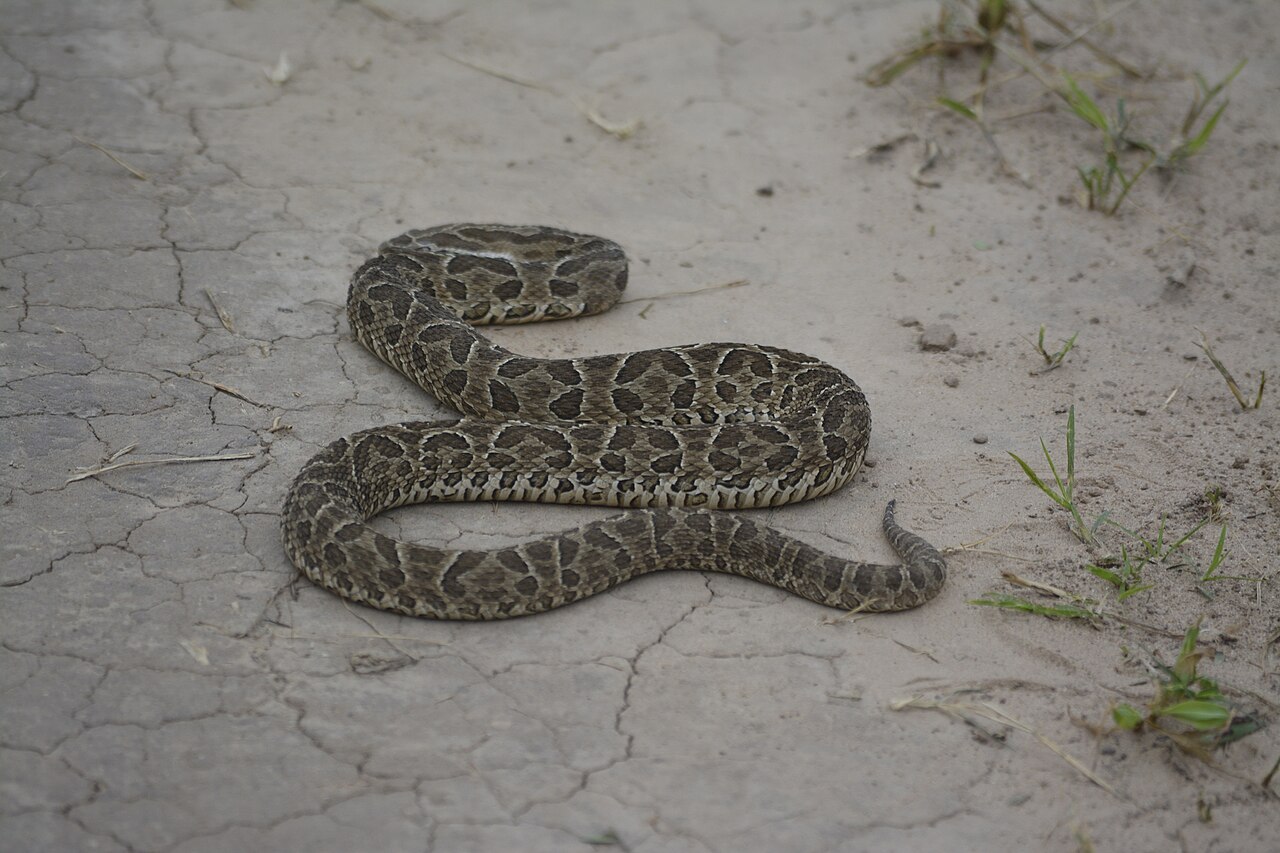
A heavy-bodied South American pit viper patterned with dark kidney-shaped markings and specialized for mammal prey.

Urutu lancehead coiled on leaf litter, showing dark kidney-shaped markings on a tan-gray body
María Zeta / Wikimedia Commons / CC BY-SA 4.0
🌐 Read in Language:

⚡ At a Glance

Species profile
Also Known As
Urutu lancehead, crossed pit viper, yarará grande, víbora de la cruz
Diet Category
Carnivore specializing on mammals
Activity Rhythm
Mostly crepuscular or nocturnal in warm conditions, with daytime activity also recorded.
Wild Lifespan
Reliable typical wild lifespan is not available
Typical Weight
varies greatly with sex, size and reproductive condition
Conservation Status
LC
💡 Key Biological Insight: Unlike many snakes that shift diet strongly with age, research indicates the urutu specializes on mammals throughout life.

🌳 Scientific Taxonomy Hierarchy

The urutu is a species in the lancehead genus Bothrops, subfamily Crotalinae and family Viperidae. Older literature sometimes places it in Rhinocerophis, but current reptile databases commonly retain Bothrops alternatus.

KingdomAnimalia
PhylumChordata
ClassReptilia
OrderSquamata
FamilyViperidae
GenusBothrops
SpeciesBothrops alternatus

Distinguishing Anatomical Features

  • ✓The stout body carries a repeated series of dark brown, black-edged lateral blotches shaped like hooks, kidneys or telephone receivers, often enclosing a pale center. A broad triangular head is distinct from the neck, and a pale line may run from the eye toward the jaw.
  • ✓Heat-sensitive facial pits detect warm prey
  • ✓Hinged solenoglyphous fangs inject venom deeply
  • ✓Cryptic blotches disrupt body outline
  • ✓Wide head houses large venom glands
  • ✓Patient ambush reduces energy cost
  • ✓Flexible jaws swallow relatively large mammals

📏 Physical Measurements

Total Lengthcommonly about 2.6–4.3 ft; exceptional individuals approach 5.6 ft
Body Weightvaries greatly with sex, size and reproductive condition
Tail LengthShort, tapering tail; males proportionally longer
WingspanNot applicable
Top SpeedNo dependable universal maximumMovement changes with context and conditions.

🎨 Appearance & Distinctive Markings

Dark brownBlackTanCreamGrayCreamGray

Skin / Covering: Dry overlapping keeled scales

Sexual Dimorphism: Adult females average much longer and heavier than males; studied females averaged about 992 mm snout–vent length versus 664 mm for males, while males have proportionally longer tails.

🗺️ Geographic Distribution & Habitat

Native to southeastern and south-central Brazil, Paraguay, Uruguay and northern to central Argentina. Records follow suitable open and seasonally wet landscapes rather than continuous forest.

Pampas and grassland, marsh edge, wet meadow, riverbank, cerrado openings, rocky fields, pasture and farmland with ground cover and rodent prey.

Country-level distribution map

Native range
FijiTanzaniaWestern SaharaCanadaUnited StatesKazakhstanUzbekistanPapua New GuineaIndonesiaArgentina — Native rangeChileCongo - KinshasaSomaliaKenyaSudanChadHaitiDominican RepublicRussiaBahamasFalkland IslandsNorwayGreenlandFrench Southern TerritoriesTimor-LesteSouth AfricaLesothoMexicoUruguay — Native rangeBrazil — Native rangeBoliviaPeruColombiaPanamaCosta RicaNicaraguaHondurasEl SalvadorGuatemalaBelizeVenezuelaGuyanaSurinameFranceEcuadorPuerto RicoJamaicaCubaZimbabweBotswanaNamibiaSenegalMaliMauritaniaBeninNigerNigeriaCameroonTogoGhanaCôte d’IvoireGuineaGuinea-BissauLiberiaSierra LeoneBurkina FasoCentral African RepublicCongo - BrazzavilleGabonEquatorial GuineaZambiaMalawiMozambiqueEswatiniAngolaBurundiIsraelLebanonMadagascarPalestinian TerritoriesGambiaTunisiaAlgeriaJordanUnited Arab EmiratesQatarKuwaitIraqOmanVanuatuCambodiaThailandLaosMyanmar (Burma)VietnamNorth KoreaSouth KoreaMongoliaIndiaBangladeshBhutanNepalPakistanAfghanistanTajikistanKyrgyzstanTurkmenistanIranSyriaArmeniaSwedenBelarusUkrainePolandAustriaHungaryMoldovaRomaniaLithuaniaLatviaEstoniaGermanyBulgariaGreeceTürkiyeAlbaniaCroatiaSwitzerlandLuxembourgBelgiumNetherlandsPortugalSpainIrelandNew CaledoniaSolomon IslandsNew ZealandAustraliaSri LankaChinaTaiwanItalyDenmarkUnited KingdomIcelandAzerbaijanGeorgiaPhilippinesMalaysiaBruneiSloveniaFinlandSlovakiaCzechiaEritreaJapanParaguay — Native rangeYemenSaudi ArabiaCyprusMoroccoEgyptLibyaEthiopiaDjiboutiUgandaRwandaBosnia & HerzegovinaNorth MacedoniaSerbiaMontenegroKosovoTrinidad & TobagoSouth Sudan
Highlighted countries are recorded profile locations, not precise biological range boundaries.Map boundaries: Natural Earth

💡 Did You Know?

  • 💡Heat-sensitive facial pits detect warm prey
  • 💡Hinged solenoglyphous fangs inject venom deeply
  • 💡Cryptic blotches disrupt body outline
  • 💡Wide head houses large venom glands
  • 💡Patient ambush reduces energy cost
  • 💡Flexible jaws swallow relatively large mammals

🌿 Conservation Status & Threats

IUCN: LC — Least Concern

“Listed as Least Concern across a broad range, but local populations are killed through fear, struck by vehicles and affected by wetland and grassland conversion.”

Population TrendNo precise range-wide trend is established; local abundance varies with habitat and persecution
Wild Population EstimateNo dependable global population estimate is available.

⚠️ Major Threats to Urutu

  • •Deliberate killing
  • •Road mortality
  • •Drainage and conversion of wetlands and grasslands
  • •Agricultural chemicals
  • •Illegal collection
  • •Loss of mammal prey and cover

🔄 Life Cycle & Reproduction

Wild vs. Captivity Lifespan Comparison

🌿 In the WildReliable typical wild lifespan is not available
🏠 In Captivity (with veterinary care)Kept only by qualified venomous-reptile institutions with antivenom protocols.
Clutch / Litter SizeUsually 5–20 live young in one study, averaging about 12
Incubation / GestationInternal gestation; timing varies, with embryos recorded November–January and births February–August in southern Brazil
Fledging / WeaningIndependent live-born neonates possess functional fangs and venom from birth.
Sexual MaturityStudied minimum mature snout–vent length about 44 cm in males and 70 cm in females
Mating SystemSeasonal mating with long-term sperm storage by females
Nesting / Den TypeNo nest; females retain developing young and give live birth in sheltered habitat

🦅 Behavior & Field Ecology

Carnivore specializing on mammals

🌐 Ecological Food Web & Relationships: By preying heavily on rodents and small marsupials, the urutu is an important mesopredator in grassland and wetland-edge food webs. It in turn feeds raptors, carnivorous mammals and other snakes, while venom research contributes to clinical understanding of tissue injury and antivenom.

Social Group SizeSolitary except during courtship
Activity RhythmMostly crepuscular or nocturnal in warm conditions, with daytime activity also recorded.
Feeding StrategyCarnivore specializing on mammals

🥩 Primary Prey & Preferred Diet

✓ Native mice✓ Rats✓ Cavies✓ Small opossums✓ Other small mammals

📢 Communication & Territorial Signals

  • Pheromones
  • Tongue-flicking chemical sampling
  • Defensive posture
  • Tail vibration
  • Tactile courtship

🐾 Wild Temperament & Traits

• Secretive• Still in ambush• Defensive at close range• Medically significant

🤝 Human Interaction & Pet Advisory

⚠️ Strictly Wild Species
🚫

Can You Keep a Urutu as a Pet?

A medically significant venomous snake requiring secure professional facilities, legal permits, trained staff and antivenom planning; wholly unsuitable as a pet.

Domestication StatusWild venomous pit viper; not domesticated
Danger to HumansHigh — medically significant venomous snake
Economic & Ecotourism RoleRodent control, native grassland biodiversity, venom research and public education about snakebite prevention.

⚠️ Behavioral Risk Factors & Wildlife Safety

  • Long hinged fangs
  • Venom can cause bleeding and tissue injury
  • Camouflage makes accidental close approach possible

🌐 Ecological Food Web & Relationships

🦅 Natural Predators (5)

Roadside HawkRupornis magnirostris
Southern Crested CaracaraCaracara plancus
Crab-eating FoxCerdocyon thous
MussuranaClelia clelia
HumansHomo sapiens

🧬 Related Species (3)

JararacaBothrops jararacaRelated lancehead overlapping in Brazil
JararacussuBothrops jararacussuLarge related pit viper
Common LanceheadBothrops atroxWidespread Amazonian relative

Urutu (Bothrops alternatus) is a large terrestrial pit viper of grassland, marsh edge and open habitat in southeastern South America. This guide separates well-supported biology from common assumptions and covers identification, range, habitat, diet, behavior, reproduction and conservation.

Identification

The stout body carries a repeated series of dark brown, black-edged lateral blotches shaped like hooks, kidneys or telephone receivers, often enclosing a pale center. A broad triangular head is distinct from the neck, and a pale line may run from the eye toward the jaw. Adult females average much longer and heavier than males; studied females averaged about 992 mm snout–vent length versus 664 mm for males, while males have proportionally longer tails.

Identification should combine body shape, markings, size, voice or movement, and location. One feature by itself can overlap with a related animal, a juvenile, or an individual in unusual light.

Photographs are most useful when they preserve scale and show several diagnostic features. Handling or repositioning a wild urutu for identification can cause stress and is unnecessary.

Size and physical adaptations

Urutu typically measures commonly about 0.8–1.3 m; exceptional individuals approach 1.7 m and weighs varies greatly with sex, size and reproductive condition. Females are substantially larger, and total length figures from different studies may include different regional samples.

Its useful adaptations include heat-sensitive facial pits detect warm prey, hinged solenoglyphous fangs inject venom deeply, cryptic blotches disrupt body outline, wide head houses large venom glands, patient ambush reduces energy cost, flexible jaws swallow relatively large mammals. These traits work together in the animal’s normal setting rather than serving as isolated curiosities.

Published measurements may use different methods, life stages or sample locations. Comparing figures responsibly means checking what was measured rather than selecting the largest number available.

Range and distribution

Native to southeastern and south-central Brazil, Paraguay, Uruguay and northern to central Argentina. Records follow suitable open and seasonally wet landscapes rather than continuous forest. The native range includes Brazil, Paraguay, Uruguay, Argentina.

A country-level map indicates broad distribution, not continuous occupation. Climate, elevation, water, vegetation, prey, breeding sites, barriers and survey effort all affect where records occur.

Records near the edge of the range deserve careful documentation because they may reflect natural movement, improved survey coverage, accidental transport or a genuine distribution change.

Habitat

Pampas and grassland, marsh edge, wet meadow, riverbank, cerrado openings, rocky fields, pasture and farmland with ground cover and rodent prey.

The snake rests concealed in grass, low vegetation, debris or a shallow refuge and coils along mammal travel routes. It is mainly terrestrial but juveniles occasionally climb low vegetation. Both day and night activity have been recorded, depending on temperature and season. Protecting a population therefore requires the feeding, shelter and breeding features that make a site usable, along with connections that allow movement.

Microhabitat matters. Shade, soil, current, moisture, shelter or host plants can determine whether a small area is usable even when the surrounding landscape appears suitable.

Diet and feeding

Urutu is a carnivore specializing on mammals. Important foods include native mice, rats, cavies, small opossums, other small mammals. An urutu waits in ambush, strikes rapidly, injects venom and releases or holds prey according to circumstance. Heat pits and chemical trails help it relocate an envenomated mammal. Gut-content studies found rodents, cavies and marsupials rather than a broad vertebrate menu.

Diet changes with age, season, location and food supply. A dramatic prey record does not establish what most individuals eat most of the time; repeated field observations provide a stronger picture.

Feeding opportunities also create risk. An animal focused on prey may be less alert to predators, traffic or people, while contaminated prey can transfer pollutants through the food web.

Behavior and communication

Mostly crepuscular or nocturnal in warm conditions, with daytime activity also recorded. This viper relies on camouflage and stillness rather than pursuit. When threatened at close range it may flatten the body, hide the head beneath coils, vibrate the tail or strike. These are defensive responses to lost escape distance, not evidence of hunting people.

Chemical cues are central to finding mates and following prey. Body posture, coiling, flattening and tail vibration warn nearby threats, while tactile courtship aligns mates. Behavior should be interpreted in context: alarm, courtship, feeding and temperature regulation can produce very different actions from the same animal.

Daily schedules are flexible responses, not rigid rules. Weather, breeding condition, disturbance, tides or food can move activity into a different part of the day.

Reproduction and development

The urutu gives live birth. Subtropical research found mating and sperm production separated from embryo development, with females able to store sperm and time pregnancy to favorable seasonal conditions. Usually 5–20 live young in one study, averaging about 12 Newborns are fully formed, venomous predators roughly 15–25 cm in snout–vent length in studied litters. They receive no parental care and begin hunting small mammals as they grow.

Young animals face different risks and may use different microhabitats or food than adults. Breeding success depends on adult condition, suitable sites and the survival of offspring through vulnerable early stages.

Counts of eggs or young describe reproductive output, not the number expected to reach adulthood. Mortality is normally greatest during eggs, larval or juvenile stages.

Predators and ecological role

By preying heavily on rodents and small marsupials, the urutu is an important mesopredator in grassland and wetland-edge food webs. It in turn feeds raptors, carnivorous mammals and other snakes, while venom research contributes to clinical understanding of tissue injury and antivenom. Documented or likely predators include Roadside Hawk, Southern Crested Caracara, Crab-eating Fox, Mussurana, Humans.

This animal is both a consumer and a food source. Its influence comes through many repeated interactions, so ecological claims should be based on measured populations rather than assumptions drawn from appearance.

Predator and prey relationships differ among places. A species can be ecologically influential without being abundant everywhere, and its role can change across its range.

Relationship with people

Urutu bites produce pain, swelling, bruising, bleeding and tissue damage and require urgent antivenom-based medical care. Most encounters happen when the snake is stepped near, cornered or handled. Killing snakes increases bite risk and removes a rodent predator; trained responders can relocate an animal where local practice allows.

Keep several metres away, wear closed footwear and use a light at night. Never touch, pin or kill the snake. After a bite, move away, keep the person calm and still, remove rings, seek emergency care immediately and identify only from a safe photograph. Do not cut, suck, ice, shock or apply a tight tourniquet. Responsible observation means keeping an appropriate distance, avoiding capture or feeding, protecting habitat and following local wildlife or invasive-species guidance.

Wildlife guidance should come from the responsible local agency because collection rules, reporting requests and appropriate responses differ between native and introduced ranges.

Conservation

Listed as Least Concern across a broad range, but local populations are killed through fear, struck by vehicles and affected by wetland and grassland conversion. The reported global trend is No precise range-wide trend is established; local abundance varies with habitat and persecution.

Important pressures include deliberate killing, road mortality, drainage and conversion of wetlands and grasslands, agricultural chemicals, illegal collection, loss of mammal prey and cover. Global status can hide local decline or recovery, so current regional monitoring and habitat management remain necessary.

The most useful conservation action follows the documented pressure. Protecting breeding sites, reducing road deaths or limiting pollutants can require different tools in different populations.

Sources and further reading

❓ Frequently Asked Questions

Answers to frequently asked questions verified against peer-reviewed zoological research.

Yes. Bothrops alternatus has medically significant venom that can cause severe swelling, bleeding and tissue injury. Any suspected bite needs emergency medical care.