
Species profileIUCN: LC

Wild Boar

Sus scrofa

A strong, intelligent omnivore whose rooting shapes forests and whose human-assisted spread transformed ecosystems worldwide.

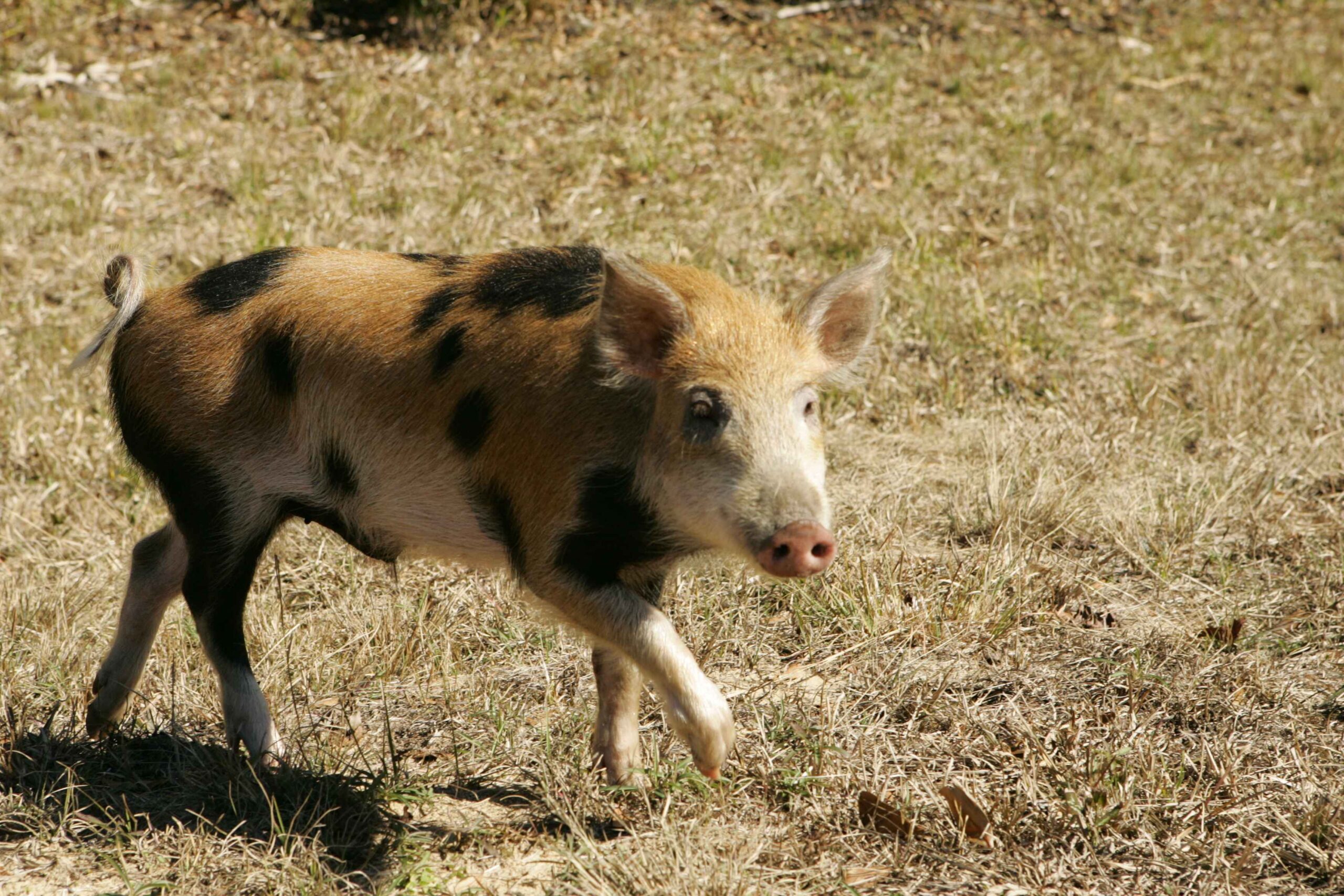
A dark brown Wild Boar standing in green vegetation
Steve Hillebrand / USFWS / Wikimedia Commons / Public Domain
๐ŸŒ Read in Language:

โšก At a Glance

Species profile
Also Known As
Eurasian Wild Pig; Wild Swine
Diet Category
Omnivore
Activity Rhythm
Often crepuscular or nocturnal where hunted or disturbed, with more daytime activity in secure cool conditions.
Wild Lifespan
Commonly less than 10 years in hunted wild populations; individuals can live longer
Typical Weight
Often 45โ€“200 kg; exceptional males may be heavier
Conservation Status
LC
๐Ÿ’ก Key Biological Insight: Wild Boars use their snout like a living plow, turning soil to uncover roots, worms, fungi and insects.

๐ŸŒณ Scientific Taxonomy Hierarchy

Sus scrofa is a full species in Suidae, the pig family. Numerous regional subspecies have been described, and domestic pigs belong to the same species. Feral swine in introduced regions may descend from domestic animals, Eurasian wild boar or hybrids. This page describes the species while noting that size, color and management status vary greatly among populations.

KingdomAnimalia
PhylumChordata
ClassMammalia
OrderArtiodactyla
FamilySuidae
GenusSus
SpeciesSus scrofa

Distinguishing Anatomical Features

  • โœ“Wild Boars are barrel-bodied with a large wedge-shaped head, short neck, slim lower legs and a mobile disk-ended snout. Coarse bristles form a dark mane along the back. Color ranges from black and gray-brown to rusty red; feral domestic ancestry can produce white or spotted coats. Adult males have visible curved canine tusks and a thickened shoulder shield. Piglets usually have pale longitudinal stripes that fade within months.
  • โœ“Cartilaginous snout disk roots through soil
  • โœ“Acute smell locates buried food
  • โœ“Ever-growing canine tusks serve in defense and contests
  • โœ“Thick winter bristles insulate northern populations
  • โœ“Wallowing cools the body and removes parasites
  • โœ“Broad omnivorous diet buffers seasonal shortages
  • โœ“Strong memory supports repeated use of food sites
  • โœ“High reproductive capacity enables rapid population growth

๐Ÿ“ Physical Measurements

Total LengthAbout 5โ€“8 ft
Body WeightOften 100โ€“440 lb
Tail LengthAbout 8โ€“15 in
WingspanNot applicable
Top SpeedNo dependable universal maximumMovement changes with context and conditions.

๐ŸŽจ Appearance & Distinctive Markings

BlackDark brownGray brownReddish brownCream or spotted in feral populationsBlackReddish BrownGray

Skin / Covering: Thick skin covered by coarse bristles and seasonal underfur

Sexual Dimorphism: Adult males are larger, heavier and more muscular than females and develop longer tusks and a protective shoulder shield.

๐Ÿ—บ๏ธ Geographic Distribution & Habitat

Native across much of Europe and Asia, extending into parts of North Africa and Southeast Asian islands. Human releases, escapes and transport established feral populations in the Americas, Australia, New Zealand, southern Africa and many islands. Native and introduced boundaries can be complex because pigs have traveled with people for millennia.

Deciduous and mixed forest, scrub, grassland, marsh, agricultural land, Mediterranean woodland and suburban edges with water and cover.

Country-level distribution map

Native rangeIntroduced range
FijiTanzaniaWestern SaharaCanada โ€” Introduced rangeUnited States โ€” Introduced rangeKazakhstan โ€” Native rangeUzbekistanPapua New GuineaIndonesia โ€” Native rangeArgentina โ€” Introduced rangeChileCongo - KinshasaSomaliaKenyaSudanChadHaitiDominican RepublicRussia โ€” Native rangeBahamasFalkland IslandsNorwayGreenlandFrench Southern TerritoriesTimor-LesteSouth Africa โ€” Introduced rangeLesothoMexicoUruguayBrazil โ€” Introduced rangeBoliviaPeruColombiaPanamaCosta RicaNicaraguaHondurasEl SalvadorGuatemalaBelizeVenezuelaGuyanaSurinameFrance โ€” Native rangeEcuadorPuerto RicoJamaicaCubaZimbabweBotswanaNamibiaSenegalMaliMauritaniaBeninNigerNigeriaCameroonTogoGhanaCรดte dโ€™IvoireGuineaGuinea-BissauLiberiaSierra LeoneBurkina FasoCentral African RepublicCongo - BrazzavilleGabonEquatorial GuineaZambiaMalawiMozambiqueEswatiniAngolaBurundiIsraelLebanonMadagascarPalestinian TerritoriesGambiaTunisia โ€” Native rangeAlgeria โ€” Native rangeJordanUnited Arab EmiratesQatarKuwaitIraqOmanVanuatuCambodiaThailandLaosMyanmar (Burma)VietnamNorth KoreaSouth Korea โ€” Native rangeMongolia โ€” Native rangeIndia โ€” Native rangeBangladeshBhutanNepal โ€” Native rangePakistanAfghanistanTajikistanKyrgyzstanTurkmenistanIranSyriaArmeniaSwedenBelarusUkrainePoland โ€” Native rangeAustriaHungaryMoldovaRomaniaLithuaniaLatviaEstoniaGermany โ€” Native rangeBulgariaGreece โ€” Native rangeTรผrkiye โ€” Native rangeAlbaniaCroatiaSwitzerlandLuxembourgBelgiumNetherlandsPortugal โ€” Native rangeSpain โ€” Native rangeIrelandNew CaledoniaSolomon IslandsNew Zealand โ€” Introduced rangeAustralia โ€” Introduced rangeSri LankaChina โ€” Native rangeTaiwanItaly โ€” Native rangeDenmarkUnited KingdomIcelandAzerbaijanGeorgiaPhilippinesMalaysiaBruneiSloveniaFinlandSlovakiaCzechiaEritreaJapan โ€” Native rangeParaguayYemenSaudi ArabiaCyprusMorocco โ€” Native rangeEgyptLibyaEthiopiaDjiboutiUgandaRwandaBosnia & HerzegovinaNorth MacedoniaSerbiaMontenegroKosovoTrinidad & TobagoSouth Sudan
Highlighted countries are recorded profile locations, not precise biological range boundaries.Map boundaries: Natural Earth

๐Ÿ’ก Did You Know?

  • ๐Ÿ’กCartilaginous snout disk roots through soil
  • ๐Ÿ’กAcute smell locates buried food
  • ๐Ÿ’กEver-growing canine tusks serve in defense and contests
  • ๐Ÿ’กThick winter bristles insulate northern populations
  • ๐Ÿ’กWallowing cools the body and removes parasites
  • ๐Ÿ’กBroad omnivorous diet buffers seasonal shortages
  • ๐Ÿ’กStrong memory supports repeated use of food sites
  • ๐Ÿ’กHigh reproductive capacity enables rapid population growth

๐ŸŒฟ Conservation Status & Threats

IUCN: LC โ€” Least Concern

โ€œThe IUCN lists Wild Boar as Least Concern because the species is widespread, abundant and highly adaptable. This global status includes native populations that may need careful harvest management and introduced populations that agencies actively suppress to protect farms, livestock and biodiversity.โ€

Population TrendGenerally stable or increasing globally, with local variation
Wild Population EstimateNot precisely quantified worldwide; very abundant across much of its range
CITESNot globally listed by CITES; transport, release, hunting and disease-control rules vary by jurisdiction

โš ๏ธ Major Threats to Wild Boar

  • โ€ขIntensive hunting in some native regions
  • โ€ขAfrican swine fever and other disease
  • โ€ขHybridization with domestic pigs
  • โ€ขHabitat loss locally
  • โ€ขSevere winters
  • โ€ขVehicle collisions

๐Ÿ”„ Life Cycle & Reproduction

Wild vs. Captivity Lifespan Comparison

๐ŸŒฟ In the WildCommonly less than 10 years in hunted wild populations; individuals can live longer
๐Ÿ  In Captivity (with veterinary care)Wildlife facilities require reinforced fencing, rooting substrate, shade, wallows, group management and protected-contact handling.
Clutch / Litter SizeUsually 4โ€“8 piglets, with larger litters possible
Incubation / GestationGestation about 108โ€“120 days
Fledging / WeaningStriped piglets born in a vegetation nest
Sexual MaturityFemales often around 8โ€“12 months; males physiologically mature earlier but compete successfully later
Mating SystemPolygynous, with males joining sounders during breeding
Nesting / Den TypeSow constructs a sheltered nest of vegetation

๐Ÿฆ… Behavior & Field Ecology

Omnivore

๐ŸŒ Ecological Food Web & Relationships: In native ecosystems Wild Boars disperse seeds, consume carrion, mix soil and create wallows used by other organisms. High densities can also reduce plant recruitment and ground-nesting animals. In introduced ecosystems their rooting erodes soil, damages wetlands and crops, spreads weeds and diseases, and threatens reptiles, birds and invertebrates. Impacts depend on density and habitat.

Social Group SizeFemale-led sounders; adult males mainly solitary
Activity RhythmOften crepuscular or nocturnal where hunted or disturbed, with more daytime activity in secure cool conditions.
Feeding StrategyOmnivore

๐Ÿฅฉ Primary Prey & Preferred Diet

โœ“ Acorns and nutsโœ“ Roots and tubersโœ“ Fruitโœ“ Grain and cropsโœ“ Fungiโœ“ Earthwormsโœ“ Insectsโœ“ Eggsโœ“ Carrionโœ“ Small vertebrates

๐Ÿ“ข Communication & Territorial Signals

  • Grunts
  • Squeals
  • Alarm snorts
  • Scent marking
  • Tusk displays
  • Touch within sounders

๐Ÿพ Wild Temperament & Traits

โ€ข Intelligentโ€ข Social in femalesโ€ข Waryโ€ข Opportunisticโ€ข Defensive when corneredโ€ข Aggressive during the rut

๐Ÿค Human Interaction & Pet Advisory

โš ๏ธ Strictly Wild Species
๐Ÿšซ

Can You Keep a Wild Boar as a Pet?

Wild Boars are not pets. They become large, destructive and potentially aggressive, require secure specialized housing and are regulated as livestock or invasive wildlife in many places.

Domestication StatusWild ancestor and same species as domestic pigs; domestication began independently in parts of Eurasia
Danger to HumansPotentially dangerous at close range due to tusks, speed, defensive attacks and disease
Economic & Ecotourism RoleNative ecosystem engineering, seed dispersal, food, hunting traditions, cultural history and scientific study of domestication.

โš ๏ธ Behavioral Risk Factors & Wildlife Safety

  • Sharp tusks
  • Powerful charge
  • Protective sows
  • Rut aggression
  • Zoonotic diseases
  • Traffic collisions

๐ŸŒ Ecological Food Web & Relationships

๐Ÿฆ… Natural Predators (4)

Gray WolfCanis lupus
TigerPanthera tigris
Brown BearUrsus arctos
HumanHomo sapiens

๐Ÿงฌ Related Species (4)

Domestic PigSus scrofa domesticusDomesticated form of the same species
WarthogPhacochoerus africanusAfrican suid relative
Bearded PigSus barbatusSoutheast Asian Sus relative
Collared PeccaryDicotyles tajacuSimilar-looking New World tayassuid

Wild Boar (Sus scrofa) is the wild species from which domestic pigs descend. Native across much of Eurasia and parts of North Africa, it has been carried by people to every inhabited continent and many islands. A muscular body, mobile snout, formidable canine teeth, flexible diet and rapid reproduction make it successful in habitats ranging from woodland to farmland. This guide separates well-supported biology from common assumptions and covers identification, range, habitat, diet, behavior, reproduction and conservation.

Identification

Wild Boars are barrel-bodied with a large wedge-shaped head, short neck, slim lower legs and a mobile disk-ended snout. Coarse bristles form a dark mane along the back. Color ranges from black and gray-brown to rusty red; feral domestic ancestry can produce white or spotted coats. Adult males have visible curved canine tusks and a thickened shoulder shield. Piglets usually have pale longitudinal stripes that fade within months. Adult males are larger, heavier and more muscular than females and develop longer tusks and a protective shoulder shield.

Identification should combine body shape, markings, size, voice or movement, and location. One feature by itself can overlap with a related animal, a juvenile, or an individual in unusual light.

Photographs are most useful when they preserve scale and show several diagnostic features. Handling or repositioning a wild wild boar for identification can cause stress and is unnecessary.

Size and physical adaptations

Wild Boar typically measures About 1.5โ€“2.4 m including head and body and weighs Often 45โ€“200 kg; exceptional males may be heavier. Body size differs strongly with ancestry, sex, nutrition and climate.

Its useful adaptations include cartilaginous snout disk roots through soil, acute smell locates buried food, ever-growing canine tusks serve in defense and contests, thick winter bristles insulate northern populations, wallowing cools the body and removes parasites, broad omnivorous diet buffers seasonal shortages, strong memory supports repeated use of food sites, high reproductive capacity enables rapid population growth. These traits work together in the animal’s normal setting rather than serving as isolated curiosities.

Published measurements may use different methods, life stages or sample locations. Comparing figures responsibly means checking what was measured rather than selecting the largest number available.

Range and distribution

Native across much of Europe and Asia, extending into parts of North Africa and Southeast Asian islands. Human releases, escapes and transport established feral populations in the Americas, Australia, New Zealand, southern Africa and many islands. Native and introduced boundaries can be complex because pigs have traveled with people for millennia. The native range includes Portugal, Spain, France, Germany, Italy, Poland, Greece, Turkey, Russia, Kazakhstan, Mongolia, China, India, Nepal, Japan, South Korea, Indonesia, Algeria, Tunisia, Morocco.

A country-level map indicates broad distribution, not continuous occupation. Climate, elevation, water, vegetation, prey, breeding sites, barriers and survey effort all affect where records occur.

Records near the edge of the range deserve careful documentation because they may reflect natural movement, improved survey coverage, accidental transport or a genuine distribution change.

Habitat

Deciduous and mixed forest, scrub, grassland, marsh, agricultural land, Mediterranean woodland and suburban edges with water and cover.

Wild Boars need food, water and shelter from heat or disturbance. Dense vegetation provides daytime bedding, while fields and open woodland supply crops, roots and mast. They wallow in mud because pigs sweat poorly, then rub on trees. In cold regions they depend on accessible food beneath snow; in dry regions they cluster around permanent water. Protecting a population therefore requires the feeding, shelter and breeding features that make a site usable, along with connections that allow movement.

Microhabitat matters. Shade, soil, current, moisture, shelter or host plants can determine whether a small area is usable even when the surrounding landscape appears suitable.

Diet and feeding

Wild Boar is a omnivore. Important foods include acorns and nuts, roots and tubers, fruit, grain and crops, fungi, earthworms, insects, eggs, carrion, small vertebrates. Most food is plant material, especially mast, roots, fruit, grain and green vegetation. A sensitive snout detects food below ground, and the animal pushes, digs and flips soil to reach it. Worms, insects, eggs, carrion and small vertebrates add protein. Diet changes rapidly with season, rainfall and local abundance, bringing boars into conflict with farms and vulnerable wildlife.

Diet changes with age, season, location and food supply. A dramatic prey record does not establish what most individuals eat most of the time; repeated field observations provide a stronger picture.

Feeding opportunities also create risk. An animal focused on prey may be less alert to predators, traffic or people, while contaminated prey can transfer pollutants through the food web.

Behavior and communication

Often crepuscular or nocturnal where hunted or disturbed, with more daytime activity in secure cool conditions. Females and young live in matrilineal groups called sounders, while mature males are commonly solitary outside breeding. Sounders coordinate travel, feeding and defense of piglets. Boars learn routes and remember productive sites. They swim well, run quickly and can push through dense cover. Wallowing, rubbing and rooting are central behaviors rather than signs of poor condition.

Wild Boars use grunts, squeals, snorts and alarm sounds together with scent and posture. Close contact calls maintain cohesion inside a sounder. Females and piglets recognize voices, while urine, saliva and gland secretions convey sex and reproductive condition. During the rut, males display, jaw-champ and clash with tusks. Behavior should be interpreted in context: alarm, courtship, feeding and temperature regulation can produce very different actions from the same animal.

Daily schedules are flexible responses, not rigid rules. Weather, breeding condition, disturbance, tides or food can move activity into a different part of the day.

Reproduction and development

Breeding can occur throughout the year where food is abundant, but many temperate populations peak in autumn and winter. Large males enter sounders and compete for receptive females. Nutrition strongly influences whether young females breed and whether a sow can produce another litter. Usually 4โ€“8 piglets, with larger litters possible A sow leaves the sounder to build a vegetation nest and farrow. Striped piglets stay concealed at first, nurse frequently and follow their mother as mobility improves. They are generally weaned at two to three months but remain socially connected to female relatives. Young can mature within their first year when food is abundant.

Young animals face different risks and may use different microhabitats or food than adults. Breeding success depends on adult condition, suitable sites and the survival of offspring through vulnerable early stages.

Counts of eggs or young describe reproductive output, not the number expected to reach adulthood. Mortality is normally greatest during eggs, larval or juvenile stages.

Predators and ecological role

In native ecosystems Wild Boars disperse seeds, consume carrion, mix soil and create wallows used by other organisms. High densities can also reduce plant recruitment and ground-nesting animals. In introduced ecosystems their rooting erodes soil, damages wetlands and crops, spreads weeds and diseases, and threatens reptiles, birds and invertebrates. Impacts depend on density and habitat. Documented or likely predators include Gray Wolf, Tiger, Brown Bear, Human.

This animal is both a consumer and a food source. Its influence comes through many repeated interactions, so ecological claims should be based on measured populations rather than assumptions drawn from appearance.

Predator and prey relationships differ among places. A species can be ecologically influential without being abundant everywhere, and its role can change across its range.

Relationship with people

People domesticated Wild Boars thousands of years ago, making the species central to food, farming, hunting and culture. Wild and feral populations now cause costly crop, livestock and habitat damage. Management combines exclusion fencing, coordinated trapping, professional removal and strict rules against transport or release. Recreational hunting alone may not reduce fast-growing populations sufficiently.

Wild Boars can charge when wounded, cornered or defending piglets. Never feed or approach them, give sounders an escape route, leash dogs and avoid thick cover around active animals. Hunters and anyone handling carcasses should wear gloves, prevent blood contact, cook meat thoroughly and follow local disease-testing guidance because feral swine carry pathogens and parasites. Responsible observation means keeping an appropriate distance, avoiding capture or feeding, protecting habitat and following local wildlife or invasive-species guidance.

Wildlife guidance should come from the responsible local agency because collection rules, reporting requests and appropriate responses differ between native and introduced ranges.

Conservation

The IUCN lists Wild Boar as Least Concern because the species is widespread, abundant and highly adaptable. This global status includes native populations that may need careful harvest management and introduced populations that agencies actively suppress to protect farms, livestock and biodiversity. The reported global trend is Generally stable or increasing globally, with local variation.

Important pressures include intensive hunting in some native regions, african swine fever and other disease, hybridization with domestic pigs, habitat loss locally, severe winters, vehicle collisions. Global status can hide local decline or recovery, so current regional monitoring and habitat management remain necessary.

The most useful conservation action follows the documented pressure. Protecting breeding sites, reducing road deaths or limiting pollutants can require different tools in different populations.

Sources and further reading

โ“ Frequently Asked Questions

Answers to frequently asked questions verified against peer-reviewed zoological research.

Yes. Domestic pigs descend from Wild Boars and are classified within Sus scrofa, although selective breeding has changed their appearance and behavior.