
Abyssinian Cat
Abyssinian cat care guide covering temperament, exercise, grooming, feeding, genetic health screening, household fit and safe adoption.
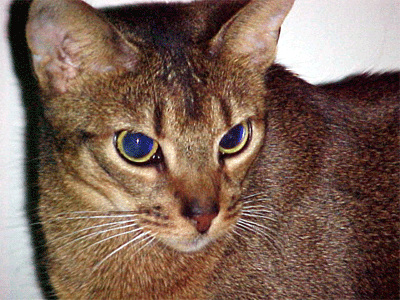
Is an Abyssinian right for your home?
The Abyssinian is a medium-sized, shorthaired domestic cat known for a finely ticked coat, athletic build, and unusually active mind. This breed often suits people who want a companion that participates in daily life rather than sleeping through most of it. Abyssinians climb, investigate, learn routines, and look for interaction. They can be affectionate without being constant lap cats, and many prefer sitting beside a person or supervising from a high perch. A good match provides safe vertical space, frequent play, predictable care, and enough company. A home that wants a quiet, low-energy ornament may find the breed demanding.
Temperament and household fit
The Cat Fanciers’ Association describes the Abyssinian as busy, active, curious, playful, and affectionate. Individual cats still differ, and early socialization matters. Well-socialized Abyssinians often live successfully with respectful children, cat-friendly dogs, and other cats when introductions proceed slowly. Their speed and curiosity make secure windows, screened balconies, and careful door habits essential. They enjoy being near people and may struggle if left without activity for long stretches every day.
Prepare the environment before adoption. Offer tall, stable cat trees; shelves that can bear the cat’s weight; hiding places; sturdy scratching surfaces; and rotating toys. Put fragile objects away from launch points. Puzzle feeders, short training sessions, wand-toy games, and opportunities to watch outdoor activity through a secure window give the cat constructive work. Two compatible cats may provide company, but a second animal never replaces human care or guarantee friendship.
Exercise and enrichment
Abyssinians need several active play periods rather than one long session that happens only occasionally. Mimic a hunting sequence by moving a wand toy like prey, letting the cat stalk and chase, then allowing a catch before a small meal. Avoid unattended string, ribbon, feathers, or elastic that can be swallowed. Food puzzles and scatter-feeding can slow eating and encourage exploration. Teach simple behaviors with rewards, such as coming when called, entering a carrier, touching a target, and accepting brief handling.
Vertical exercise is especially valuable. The breed is famous for seeking high viewpoints, so furniture should be anchored and routes should not end above a hot stove or open door. Indoor life is safest when it is rich enough to prevent boredom. If outdoor access is offered, use a secure catio or careful harness training rather than free roaming, which exposes cats to traffic, infectious disease, poisons, fights, and wildlife predation.
Coat, nails, teeth, and routine care
The coat is short and resilient, with alternating light and dark bands on each hair creating the characteristic glow. The International Cat Association notes that grooming demands are modest. A gentle brushing every week or two removes loose hair and provides a chance to check skin and body condition. Baths are rarely needed for a healthy indoor cat unless a veterinarian recommends one or the coat becomes contaminated.
Trim nail tips about every two weeks, adjusting to the individual cat’s growth. Provide both vertical and horizontal scratchers. Check ears for redness, odor, pain, or heavy debris, and ask a veterinarian before using cleaners. Daily tooth brushing with cat-safe toothpaste offers the best home defense against dental disease; begin gradually and never use human toothpaste. Regular veterinary examinations, parasite prevention suited to local risk, vaccination, microchipping, and neutering or spaying should be discussed with the cat’s clinician.
Feeding and weight management
Feed a complete and balanced commercial diet appropriate for the cat’s life stage, following veterinary advice for quantity and meal schedule. Cats require nutrients such as taurine that are not reliably supplied by improvised or dog-food diets. Measure portions, include treats in the daily energy total, and monitor body condition rather than relying only on the number on a scale. An athletic Abyssinian can still become overweight when energy intake exceeds activity.
Keep fresh water available in more than one quiet location. Some cats prefer wide bowls that do not press their whiskers, while others drink more readily from a cleaned fountain. Sudden weight loss, increased thirst, reduced appetite, vomiting, diarrhea, or difficulty chewing warrants veterinary attention. Do not start supplements, raw diets, or homemade recipes without a veterinary nutritionist, because “natural” does not mean nutritionally complete or free of pathogens.
Health screening and veterinary planning
A responsible breeder should discuss the health history of the family and show documented test results rather than offering only verbal assurances. TICA identifies pyruvate kinase deficiency, progressive retinal atrophy, patellar luxation, and renal amyloidosis as concerns reported in the breed. DNA tests are available for pyruvate kinase deficiency and some inherited retinal disease; they help breeders plan matings but do not replace physical examinations or lifetime veterinary care. The VCA overview of progressive retinal atrophy explains that late-onset PRA can cause permanent blindness and may be inherited as an autosomal recessive trait in Abyssinians.
Ask how breeding cats were screened, which laboratory performed genetic tests, and what follow-up the contract provides. A kitten should have veterinary records, age-appropriate vaccines, parasite care, identification, and a clear return policy. For any Abyssinian, seek prompt care for pale gums, weakness, fainting, vision changes, persistent vomiting, abnormal thirst or urination, limping, or loss of appetite. Cats conceal illness well, so changes in routine are useful clinical clues.
Finding and bringing home a cat
Breed rescue, general shelters, and reputable breeders can all be valid routes. Avoid sellers who always have many breeds available, will not show health records, pressure immediate payment, or offer shipping without careful discussion. Meet the cat when possible and confirm that the environment is clean, social, and transparent. A good source asks questions about your household and will take the cat back if placement fails.
Set up one quiet room for the first days with litter, food, water, a bed, hiding options, toys, and scratching material. Keep food and water away from the litter box. Let the cat expand its territory at its own pace. Use gradual scent and visual introductions for resident animals, and give each cat separate bowls, resting spots, and litter resources. A useful starting rule is one litter box per cat plus one extra, distributed across the home rather than lined up as one station.
Safety and lifelong welfare
Store medicines, lilies and other toxic plants, cleaning products, thread, dental floss, and small swallowable objects securely. Check washing machines, dryers, reclining furniture, and high cupboards before closing them. Keep the cat carrier accessible and make it a familiar resting place so emergency travel is easier. Plan for veterinary costs, daily social time, and care during travel before adoption.
An Abyssinian’s lively behavior is part of the breed’s appeal, but welfare depends on respecting the cat in front of you. Never force handling or punish normal climbing and scratching. Redirect those behaviors to safe outlets, reward choices you want repeated, and provide quiet retreat when the cat disengages. With thoughtful enrichment, preventive medicine, and patient companionship, an Abyssinian can be an engaging household partner for many years.
Frequently asked questions
Are Abyssinian cats good family pets?
Many are affectionate, playful companions for families that provide respectful handling, active play, secure climbing space, and gradual introductions to children and other animals.
How much exercise does an Abyssinian need?
Most benefit from several interactive play sessions every day, along with climbing, scratching, puzzle feeding, and opportunities to explore safely.
Do Abyssinian cats require much grooming?
The short coat is low maintenance. Gentle brushing every week or two, regular nail trims, dental care, and routine ear and skin checks are usually sufficient.
What health tests should an Abyssinian breeder provide?
Ask for documented DNA screening for pyruvate kinase deficiency and relevant inherited retinal disease, plus veterinary records and a clear explanation of other family health concerns.
Can an Abyssinian cat live indoors?
Yes. Indoor life can suit the breed well when the home provides tall stable perches, vigorous daily play, food puzzles, secure windows, companionship, and places to retreat.