
Birman
Birman care guide covering temperament, grooming, feeding, enrichment, health monitoring and responsible adoption.
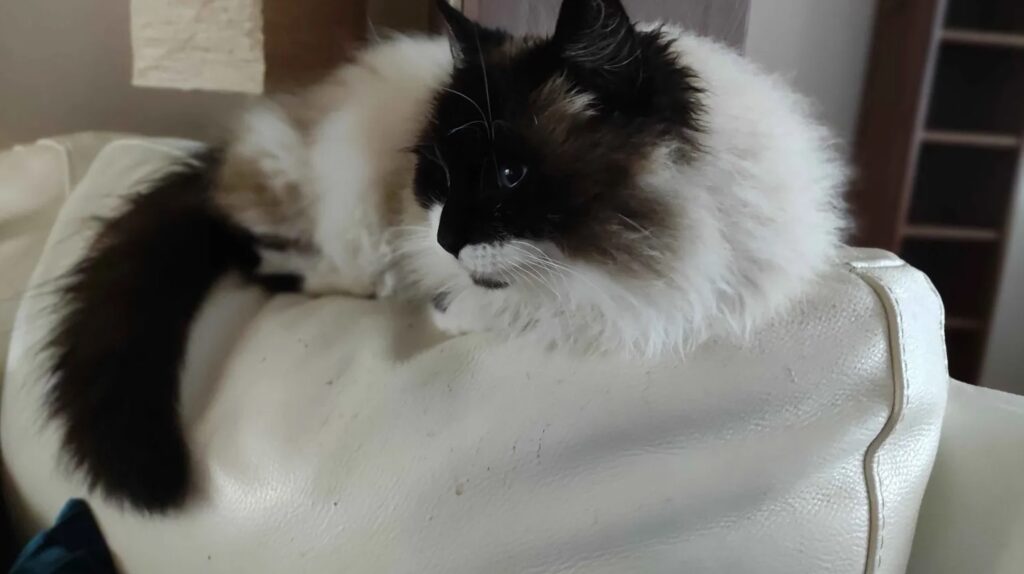
Birman at a glance
The Birman is a medium-to-large, color-pointed cat with a sturdy body, deep blue eyes, a silky semi-long coat, and white feet often described as gloves. The Cat Fanciers’ Association distinguishes the breed from both the finer-boned Siamese type and the shorter, heavier Persian type. A Birman should feel muscular and balanced rather than delicate. Its pale body, darker face, ears, legs, and tail, and carefully defined white markings create the breed’s familiar appearance, but those show-ring details do not determine whether an individual cat will be a good companion.
Breed organizations generally describe Birmans as affectionate, sociable, and moderately active. These are useful tendencies, not guarantees. Early handling, health, household routine, and each cat’s temperament matter more than a label. A prospective guardian should meet the individual cat, ask how it responds to visitors and routine care, and choose for compatibility rather than coat color or perfectly symmetrical gloves.
Temperament and household fit
Many Birmans enjoy staying near their people and participating in ordinary household activity. The International Cat Association characterizes them as gentle, loyal, curious, and playful, while CFA notes that they can be social and people-oriented. That combination often suits a home that wants an interactive cat without expecting nonstop high-energy play. A Birman may follow family members between rooms, investigate bags or boxes, and settle nearby when activity slows.
Because sociable cats can become frustrated when left without company or enrichment for long stretches, build predictable contact into the day. Short play sessions before work and in the evening, food puzzles, window views, climbing choices, and quiet resting places give the cat options. Some Birmans live happily with respectful children, cat-friendly dogs, or other cats, but introductions should proceed gradually. Give every animal separate food, water, litter, hiding, and resting resources so no one must compete.
Coat care, claws, and routine handling
The Birman’s coat is semi-long and often described as silky with relatively little undercoat. It may resist matting better than a very dense longhaired coat, but it still needs regular inspection. Comb from skin to tip once or twice a week, paying attention behind the ears, under the forelegs, along the trousers, and around the ruff. Increase grooming during seasonal shedding. Work in short sessions and reward calm cooperation so grooming does not become a wrestling match.
Check the skin while combing for redness, flakes, parasites, tenderness, or new lumps. Trim only the transparent hooked tip of each claw, avoiding the pink quick. Provide several stable scratching surfaces in different orientations. Teeth deserve daily attention too: gradual tooth-brushing with cat-safe toothpaste offers the best home support, while a veterinarian should assess bad breath, drooling, difficulty eating, or inflamed gums. Never use human toothpaste or cut out a mat close to the skin with scissors; feline skin is thin and easily injured.
Food, water, and healthy body condition
Feed a complete and balanced cat food appropriate for the cat’s life stage. The amount printed on a package is a starting point, because calorie needs change with age, size, activity, neuter status, and health. Measure meals, monitor weight and body condition, and adjust with veterinary guidance. A healthy cat usually has ribs that can be felt under a light covering and a visible waist from above. A long coat can hide gradual weight gain or loss, so hands-on checks and regular weighing are valuable.
Fresh water should always be available. Some cats drink more readily from wide bowls placed away from food and litter, while others prefer a fountain. Wet food can contribute moisture, but changes should be gradual to reduce digestive upset. Treats should remain a small part of daily calories. Sudden appetite loss, repeated vomiting, persistent diarrhea, increased thirst, or unexplained weight change warrants veterinary advice rather than experimentation with supplements.
Play, enrichment, and safety
A Birman benefits from several brief interactive play sessions each day. Wand toys can mimic prey when moved along the floor, behind furniture, and into hiding places; always put string toys away after play. Rotate lightweight balls, kicker toys, cardboard boxes, and food puzzles to preserve novelty. A tall, stable cat tree and shelves add useful vertical territory, while covered beds and open perches let the cat choose between privacy and observation.
Indoor living protects cats from traffic, predators, poison, infectious exposure, and theft. A secure catio or harness training can provide controlled outdoor experiences, but a harness must be introduced slowly indoors and should never be used to tether a cat unattended. Screen windows securely, anchor unstable furniture, and keep lilies, medicines, thread, ribbon, essential oils, and toxic foods out of reach. Microchipping and an identification tag add protection even for indoor-only cats.
Health planning and veterinary care
No breed description can predict an individual cat’s health. Arrange a veterinary examination soon after adoption, then follow a preventive-care plan for vaccination, parasite control, dental health, and age-appropriate screening. Cats often hide illness, so watch for small changes in breathing, movement, grooming, litter-box use, appetite, thirst, and social behavior. Open-mouth breathing, collapse, blue or very pale gums, or obvious difficulty breathing is an emergency.
Hypertrophic cardiomyopathy is the most common form of cardiomyopathy in cats. VCA Animal Hospitals explains that the wall of the left ventricle becomes thickened, which can impair filling and circulation. A normal appearance cannot rule out heart disease, and a murmur does not by itself establish the diagnosis. Ask a veterinarian how examination findings and family history affect the need for further assessment. Responsible breeders should discuss health history candidly, provide veterinary records, and never promise that a kitten is guaranteed free of every future disease.
Finding and bringing home a Birman
Adoption through a shelter or breed rescue can be an excellent route, especially for adults whose personalities are already apparent. When considering a breeder, look for clean living conditions, kittens raised with appropriate social contact, transparent health records, a written contract, and a willingness to take a cat back if circumstances change. Avoid sellers who will not show where cats live, pressure buyers to pay immediately, offer many breeds continuously, or send kittens home unusually young.
Prepare one quiet room before arrival with food, water, litter, a hiding place, bedding, a scratcher, and toys. Allow the cat to emerge and explore at its own pace. Keep the first days predictable, introduce other animals through scent and barriers, and expand access gradually. A calm transition is more useful than forcing attention. The goal is a secure companion whose health, preferences, and individual behavior guide care throughout life.
Frequently asked questions
Are Birman cats good family pets?
Many are affectionate and adaptable, but suitability depends on the individual cat and household. Supervise children, provide escape routes and quiet resting places, and introduce other animals slowly.
How often should a Birman be groomed?
Comb the coat thoroughly once or twice a week and more often during heavy shedding. Check friction areas for tangles and keep sessions short and positive.
Do Birman cats need another pet for company?
Some enjoy another compatible animal, while others prefer being the only cat. Daily interaction, play, and environmental enrichment matter whether or not the home has another pet.
Are Birmans hypoallergenic?
No cat breed is reliably hypoallergenic. Allergens occur in saliva and skin secretions as well as on shed hair, so a person with allergies should spend time with the individual cat before adoption.
What should I ask a Birman breeder?
Ask about health history, veterinary care, socialization, return policies, registration, living conditions, and when kittens go home. Review original records and avoid any seller who discourages questions or promises perfect health.