
Cavalier King Charles Spaniel
Cavalier King Charles Spaniel care guide covering temperament, exercise, training, grooming, feeding, health screening and household fit.
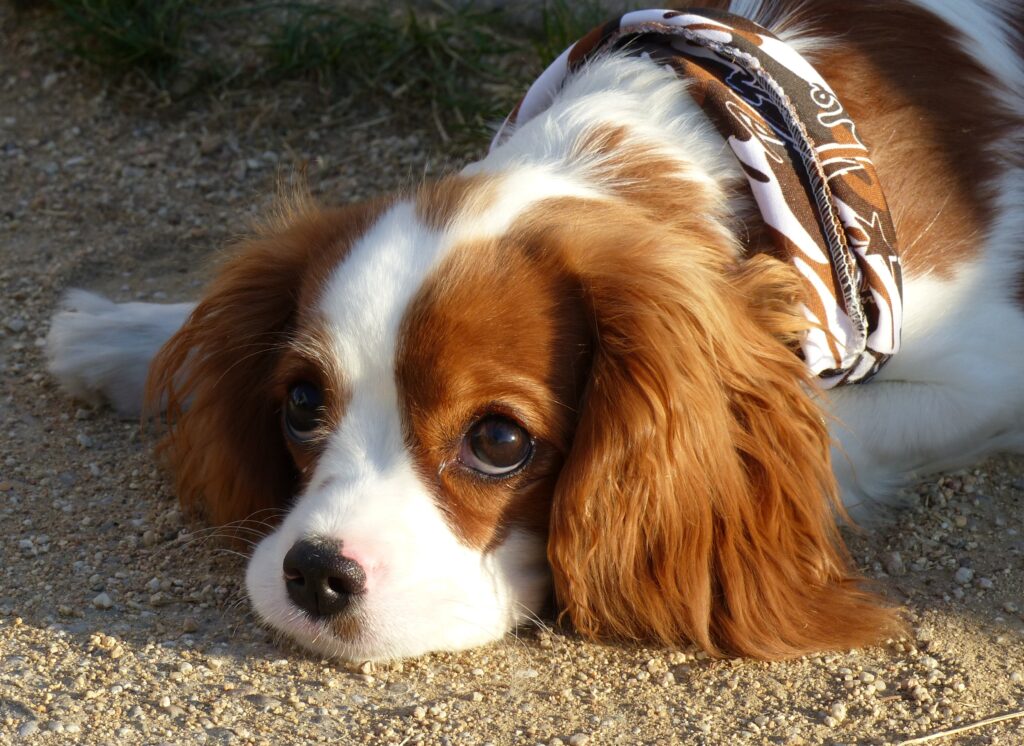
The Cavalier King Charles Spaniel is a small companion dog with the gentle expression and feathered coat of a toy spaniel. Adults commonly stand 12–13 inches and weigh 13–18 pounds, according to the American Kennel Club. The breed often fits comfortably into a smaller home, but its compact size should not be mistaken for low social or exercise needs. Cavaliers were developed to live close to people, and most thrive when they share ordinary family routines rather than spending long days alone. Readers comparing small spaniels can use the Cocker Spaniel guide to weigh sporting drive, coat care and ear care.
Temperament and household fit
A well-socialized Cavalier is typically affectionate, responsive and friendly. Breed tendencies are useful planning guides, not promises about an individual dog. Early experience, health, training and the home environment all shape behavior. Many Cavaliers enjoy respectful children, sociable dogs and calm household activity. Their small frame means that play with young children should be supervised so the dog is not dropped, chased or handled roughly. Introductions to cats and other pets should be gradual, because some individuals retain a spaniel’s interest in chasing movement.
This breed usually wants frequent human company. A Cavalier that is abruptly left alone for many hours may bark, become distressed or develop destructive habits. Owners can build independence with short, comfortable absences, food puzzles and a predictable resting place. A sitter or dog walker may be needed in homes with long workdays. Apartment living can work well when the dog receives outdoor walks, toilet breaks, mental activity and considerate training around hallway sounds.
Daily exercise and enrichment
The Kennel Club lists up to about one hour of exercise per day for a healthy adult. That total can be divided into two walks and shorter play or training sessions. Puppies need briefer, age-appropriate activity, while older dogs and those with heart, joint or neurologic disease need a plan made with their veterinarian. Cavaliers often enjoy sniffing walks, retrieving small toys, beginner scent games and low-impact training. They are companion dogs with sporting ancestry, so a daily chance to explore is better than exercise that consists only of a quick toilet trip.
Use a secure leash or fenced area. Even a normally attentive dog may follow a bird or squirrel into traffic. Avoid strenuous activity during hot, humid weather, provide water and watch for excessive panting, weakness or reluctance to continue. Indoor puzzle feeders, scatter feeding and short searches for hidden treats can provide useful activity when weather limits walks.
Training and socialization
Reward-based training suits the Cavalier’s people-oriented nature. Begin with name response, recall, loose-leash walking, calm handling and settling on a mat. Use small food rewards, toys and praise, and keep lessons brief enough that the dog remains engaged. Harsh corrections can create fear without teaching the desired response. Puppy socialization should introduce different people, surfaces, sounds, friendly vaccinated dogs and gentle grooming at a pace the puppy can handle.
Toilet training is easier with a schedule: take a puppy outside after waking, eating, play and excitement, reward success immediately and supervise closely indoors. A crate or pen can be a safe resting place when introduced positively, but it should never replace exercise or companionship. Reliable recall takes practice, yet a leash remains the safer choice near roads and wildlife.
Coat, ears, teeth and nails
The medium-length silky coat has feathering on the ears, chest, legs and tail. Brush and comb several times a week, reaching through the feathering where tangles form behind the ears, under the legs and around the feet. Work gently from the ends toward the skin rather than pulling through a mat. The official AKC standard emphasizes a natural coat, although companion dogs may receive practical trimming from a skilled groomer. Bathe when dirty using dog-safe products and dry the ears and skin thoroughly.
Check the hanging ears weekly for odor, redness, discharge or discomfort; a veterinarian should examine suspected infection. Brush the teeth daily with canine toothpaste because small dogs are vulnerable to dental disease. Trim nails before they click heavily on the floor, and ask a veterinary professional or groomer to demonstrate if the quick is difficult to see. Routine handling from puppyhood makes all of this less stressful.
Feeding and healthy weight
Feed a complete and balanced diet appropriate for the dog’s life stage. Measure portions rather than filling the bowl by eye, and count training rewards within the daily allowance. The correct amount depends on calorie density, age, activity, neuter status and health, so the package guide is only a starting point. A veterinarian can assess body condition and set a target weight. You should be able to feel the ribs under a light covering and see a waist from above.
Extra weight burdens the heart and joints. Choose small treats, reserve part of the meal for training and avoid frequent table scraps. Fresh water should always be available. Puppies require an age-appropriate feeding schedule, while a dog with heart, digestive or other medical needs may require a veterinary diet. Never change medication or use supplements as a substitute for diagnosis.
Health screening and veterinary care
Cavaliers can be affected by inherited and acquired disease, so responsible breeding and lifelong veterinary care matter. Prospective owners should ask for documented health testing of both parents rather than accepting a general claim that a puppy is “vet checked.” Breed health programs emphasize cardiac assessment, eye examination and evaluations relevant to patellas and hips. The Kennel Club also highlights neurologic concerns including syringomyelia, and the Orthopedic Foundation for Animals lists Cavaliers among breeds eligible for respiratory function grading.
Arrange regular wellness examinations and seek prompt advice for a new heart murmur, coughing, fainting, reduced stamina, breathing noise, persistent scratching around the neck, unexplained pain, weakness, balance changes or reluctance to jump. Those signs have several possible causes and cannot be diagnosed from a breed label. Keep parasite prevention, vaccination and dental care matched to local veterinary guidance. Pet insurance is easiest to obtain before a chronic problem is documented.
Choosing and bringing home a Cavalier
Meet the breeder or rescue openly, see where dogs live and ask how temperament and health are assessed. A responsible breeder discusses limitations as readily as appealing traits, provides verifiable test results and does not release very young puppies. Rescue groups should share known medical and behavior information and help match energy and household needs. Budget for grooming equipment, veterinary screening, dental care, training and possible specialist treatment as well as food and routine supplies.
Prepare a quiet bed, secure harness, lightweight leash, identification, food and water bowls, safe chew items and barriers for stairs or unsafe rooms. Maintain the dog’s familiar food at first, introduce family members calmly and allow ample sleep. Book a veterinary visit soon after arrival and update microchip details. Consistent routines help the new dog understand where to rest, toilet and find support.
Safety and welfare
Use a well-fitted harness for walks and restrain the dog in a crash-tested travel carrier or vehicle harness. Keep human medicines, chocolate, grapes, raisins, xylitol products and other toxins inaccessible. Cavaliers are small enough to slip through gaps, so check fencing and balcony rails carefully. Never leave any dog in a parked vehicle. Teach children to let a resting or eating dog remain undisturbed, and separate pets whenever adults cannot supervise.
A Cavalier is a long-term companion rather than a decorative accessory. Good welfare includes social contact, choices, rest, gentle training, preventive care and daily opportunities to move and investigate. Owners who can provide those needs may find the breed adaptable and deeply engaging.
Frequently asked questions
Are Cavalier King Charles Spaniels good family dogs?
Many are affectionate family companions, but children must handle them gently and every dog needs supervision, training and gradual introductions.
How much exercise does a Cavalier need?
A healthy adult often suits up to about an hour daily, divided into walks and play. Age and medical conditions can change that requirement.
Do Cavaliers need professional grooming?
Regular home brushing is essential. Professional grooming can help with bathing, nails and practical coat care, though the breed naturally carries a feathered coat.
Can a Cavalier live in an apartment?
Yes, when the dog receives regular outdoor breaks, exercise, enrichment, companionship and training for shared-building sounds.
What health checks should a Cavalier puppy’s parents have?
Ask for documented cardiac and eye screening plus breed-relevant orthopedic and neurologic assessment. Discuss current recommendations with a veterinarian and the applicable breed club.