
Golden Retriever
Golden Retriever care guide covering temperament, size, exercise, training, feeding, grooming, health screening, puppies, and family suitability.
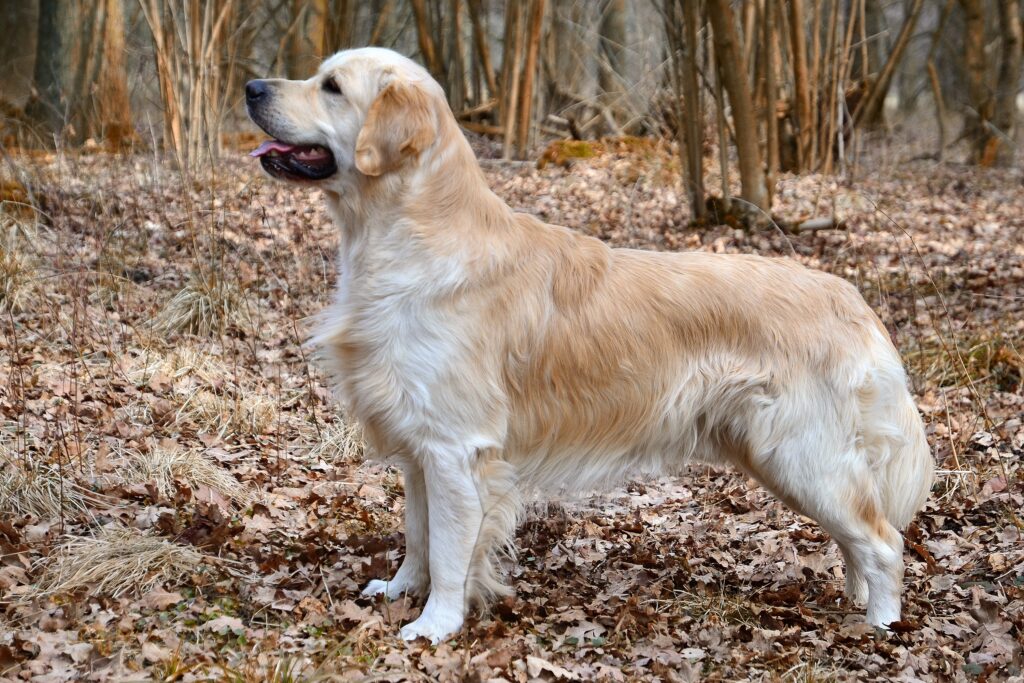
The Golden Retriever is a sociable, athletic dog developed in Scotland to retrieve game on land and from water. Its cooperative nature explains why the breed is common in family homes, assistance work, search and rescue, obedience, and field sports. That friendly reputation is deserved, but it can hide the commitment involved: Goldens need daily activity, close human contact, regular coat care, and thoughtful health screening.
Is a Golden Retriever right for you?
A Golden can suit an individual or family that wants an affectionate dog involved in everyday life. Most enjoy learning, carrying objects, swimming, walking, and playing retrieve games. They often greet strangers warmly, which makes them pleasant companions but usually poor guard dogs.
This breed is a less comfortable match for a household where the dog would routinely spend long days alone. Young Goldens can be exuberant, mouthy, and slow to mature. They may jump, chew, or invent their own entertainment when exercise and training are inconsistent. Their size also means that polite lead walking and calm greetings should be taught before puppy enthusiasm becomes adult strength.
Size, lifespan, and physical traits
| Trait | Typical Golden Retriever |
|---|---|
| Adult weight | About 55–75 lb (25–34 kg), with individual variation |
| Adult height | Roughly 21.5–24 in (55–61 cm) at the shoulder |
| Expected lifespan | Approximately 10–12 years |
| Coat | Water-repellent double coat with feathering |
| Activity level | High, especially during adolescence and early adulthood |
| Shedding | Moderate throughout the year and heavy seasonally |
Golden coats range from pale cream through rich gold. Color alone does not create a separate breed or guarantee a particular temperament or health outcome. Build, coat, and appearance can vary among dogs bred for field work, conformation, or companionship, while all remain Golden Retrievers.
Temperament and family life
Well-bred and well-socialized Goldens are typically confident, responsive, and people-oriented. Many live successfully with children and other pets. No breed is automatically safe with every child, however. Adults should supervise interactions, teach children not to disturb a sleeping or eating dog, and give the dog a quiet place to retreat.
The breed’s enthusiasm can overwhelm toddlers or frail adults. Teaching four paws on the floor, a reliable “leave it,” and calm settling makes family life easier. Socialization should introduce a puppy gradually to different people, surfaces, sounds, handling, friendly vaccinated dogs, vehicles, and veterinary care without forcing frightening encounters.
How much exercise does a Golden Retriever need?
Healthy adult Goldens generally need substantial daily activity, but the exact amount depends on age, health, weather, and the individual dog. Brisk walks, safe off-lead running, swimming, scent games, retrieving, and structured training can be combined instead of relying on repetitive ball throwing alone.
Puppies need shorter, age-appropriate sessions with plenty of rest. Forced distance running and repeated high-impact jumping are poor choices while joints and growth plates are developing. Older dogs may benefit from shorter outings, non-slip flooring, weight control, and veterinary assessment when their mobility changes.
Mental work matters as much as mileage. Food puzzles, hide-and-seek, scent searches, and brief training sessions use the Golden’s problem-solving ability and desire to work with people. A dog that receives only intense physical exercise can become fitter without learning how to relax.
Training a Golden Retriever
Begin reward-based training as soon as the puppy arrives. Focus first on name response, recall, toilet habits, gentle handling, trading objects, resting on a mat, and walking without pulling. Because retrieving and carrying are natural behaviors, teach the puppy to exchange objects for food or another toy instead of chasing it around the house.
Keep lessons short and clear. Reward the behavior you want, prevent repeated rehearsal of unwanted behavior, and increase difficulty gradually. Harsh corrections can damage trust and are unnecessary for teaching reliable skills. A well-run puppy class can help owners practice around distractions while protecting positive social experiences.
Feeding and healthy weight
Feed a complete and balanced diet appropriate for the dog’s life stage. A growing large-breed puppy has different energy and mineral needs from an adult or senior. Measure meals, account for training treats, and use body condition rather than the feeding chart alone to adjust portions.
You should be able to feel the ribs under a light fat covering and see a waist from above. Excess weight adds stress to joints and can make exercise and heat management harder. Ask a veterinarian to assess body condition and growth instead of choosing supplements or restrictive diets based on online advice. Fresh water should always be available.
Grooming and shedding
Brush the coat once or twice each week and more often during seasonal shedding. Work through the feathering behind the ears, under the legs, around the tail, and along the trousers, where tangles form easily. A comb helps find small mats that a surface brush can miss.
After swimming, rinse away salt, mud, or pool chemicals and dry the ears and coat thoroughly. Check the skin for irritation and the paws for cuts or lodged debris. Trim nails before they click heavily on hard floors, brush the teeth with dog-safe toothpaste, and ask a veterinarian how often the ears should be cleaned. Shaving a healthy double coat is generally unnecessary; targeted trimming and regular brushing preserve its protective function.
Golden Retriever health and responsible breeding
Goldens can develop inherited and acquired health problems, including hip and elbow dysplasia, eye disease, certain heart conditions, skin and ear problems, and cancers. Risk is not destiny, and a normal-looking puppy cannot reveal every inherited concern.
When choosing a breeder, ask for verifiable health results for both parents rather than accepting a statement that they were “vet checked.” The Orthopedic Foundation for Animals explains that breed-specific screening records help puppy buyers research breeding stock. Search the public database and discuss the Golden Retriever Club’s current recommendations with the breeder. Health testing reduces avoidable risk but cannot guarantee that a dog will never become ill.
For every Golden, schedule routine veterinary examinations and seek prompt care for persistent lameness, collapse, breathing changes, unexplained weight loss, a growing lump, abdominal swelling, repeated ear inflammation, or a marked change in appetite or behavior. This guide supports informed care but cannot diagnose an individual dog.
Choosing a puppy or rescue Golden
A responsible breeder should willingly discuss temperament, health testing, how puppies are raised, and what support is available after purchase. Puppies should stay with their litter until an appropriate age, receive early social experiences, and come with clear veterinary and registration records where applicable. Avoid sellers who always have multiple litters available, refuse to show where puppies are raised, or pressure you to pay immediately.
Breed rescues and general shelters can also match families with Golden Retrievers and Golden mixes. Ask about observed behavior, medical history, resource guarding, separation distress, comfort around children or animals, and the type of home in which the dog has succeeded. An adult rescue may already have household skills, but it still needs a gradual transition and realistic decompression period.
Common questions
Are Golden Retrievers good first dogs?
They can be, because they are usually responsive and social. First-time owners must still be prepared for a large adolescent dog, daily exercise, training, shedding, and veterinary costs.
Can a Golden Retriever live in an apartment?
Yes, if the household consistently provides outdoor exercise, toilet breaks, training, enrichment, and quiet rest. A garden does not replace those needs, and apartment size alone does not determine welfare.
Do Golden Retrievers shed a lot?
Yes. The double coat sheds year-round and typically releases much more undercoat seasonally. Frequent brushing controls loose hair but will not eliminate shedding.
Are Golden Retrievers hypoallergenic?
No dog is completely allergen-free, and Golden Retrievers are not considered a low-shedding breed. People with allergies should spend time around individual dogs and consult an allergy professional before bringing one home.
How long can a Golden Retriever be left alone?
There is no safe breed-wide number. Age, toilet needs, health, training, and the individual dog’s comfort matter. Build alone time gradually and arrange help when absence would exceed the dog’s physical or emotional needs.
Sources and image credit
- American Kennel Club: Golden Retriever breed information
- American Kennel Club: Is the Golden Retriever right for you?
- Orthopedic Foundation for Animals: breed health screening
- Featured photograph by Dirk Vorderstraße, via Wikimedia Commons, licensed under CC BY 3.0. Image cropped for presentation.
