
Shih Tzu
Shih Tzu care guide covering temperament, exercise, training, coat and facial care, feeding, breathing health, and family compatibility.
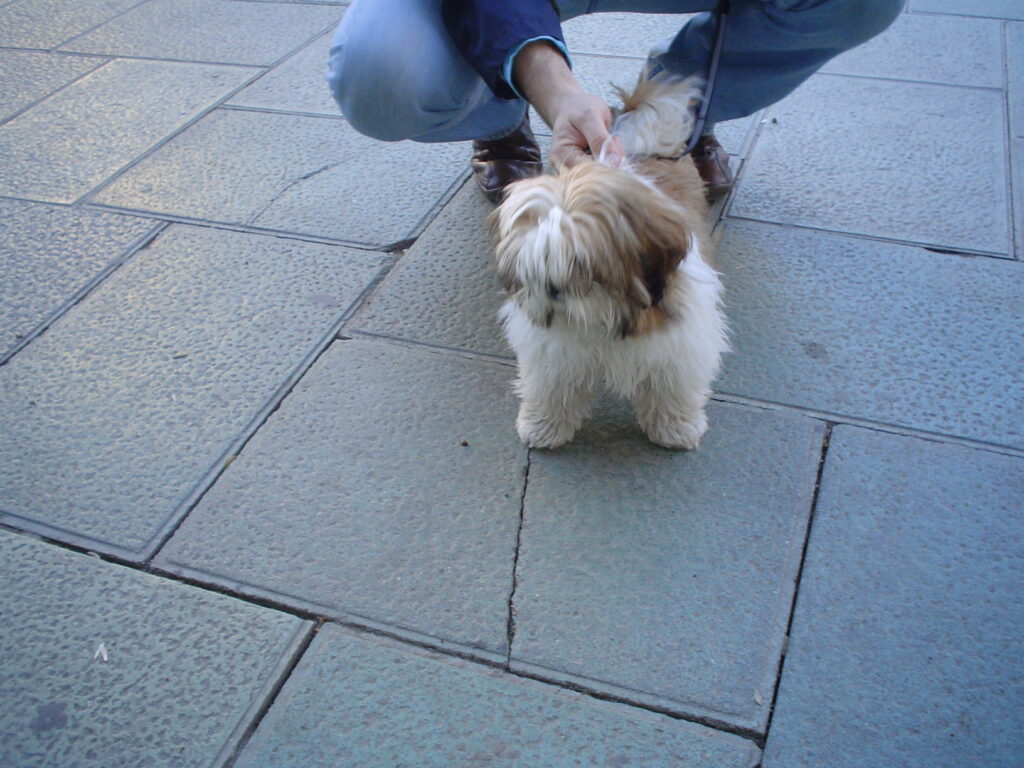
The Shih Tzu is a sturdy toy companion with a long double coat, short muzzle, and sociable reputation. The breed often adapts well to indoor life, but small size does not remove the need for exercise, training, dental care, grooming, and careful monitoring in heat. Facial structure varies, and comfortable breathing must take priority over an extremely flat appearance.
Is a Shih Tzu right for you?
A Shih Tzu can suit someone seeking an affectionate small companion that enjoys daily walks and household activity without endurance-level exercise. Many like visitors and family attention, but temperament still varies. The breed usually dislikes long periods without company and needs gradual practice being alone.
Owners must budget time for coat, eye, dental, and skin care. A short pet clip reduces tangles but does not eliminate grooming. Because the breed is brachycephalic, hot weather, obesity, airway noise, and stressful exertion deserve particular attention.
Size, lifespan, coat, and appearance
| Trait | Typical Shih Tzu |
|---|---|
| Height | Ideally about 9–10.5 inches at the shoulder |
| Weight | Usually 9–16 lb |
| Life expectancy | Commonly 10–18 years, with individual variation |
| Coat | Long, dense double coat; often kept in a short pet trim |
| Build | Compact, solid toy dog with a tail carried over the back |
Many colors and combinations are recognized. Coat color does not determine health or personality. “Imperial” and “teacup” are marketing terms rather than separate recognized sizes, and breeding for extreme smallness can increase fragility and health risk.
Temperament and family compatibility
Shih Tzu are often playful, outgoing, and people-oriented. Some are confident with strangers while others need time and positive exposure. Early social development should include gentle handling, grooming, household sounds, surfaces, friendly people, and suitable animals.
They may live well with considerate children, but adults should supervise. Teach children to sit for interaction, support the dog’s body, and never carry, squeeze, chase, or disturb a resting dog. Provide a quiet retreat where the dog cannot be followed.
Introduce dogs and cats gradually using separate resources and brief supervised meetings. A small Shih Tzu can be injured by rough play with a much larger dog even when neither animal is aggressive.
Exercise, enrichment, and heat safety
Healthy adults benefit from daily walks and play in several moderate sessions. Scent searches, food puzzles, trick training, and gentle retrieve add mental activity. Puppies need shorter exercise with rest, while senior dogs may need slower outings.
Avoid hard exercise in hot or humid weather. Walk during cooler hours, carry water, choose shade, and stop for heavy panting, slowing, noisy breathing, seeking cool ground, or distress. Never leave a dog in a parked vehicle. A brachycephalic dog can overheat quickly.
Use a well-fitted harness when recommended to reduce pressure on the neck. Secure balconies, stairs, pools, and fence gaps. A Shih Tzu should live indoors with the family rather than being housed outside.
Training, house habits, and time alone
Short reward-based sessions work best. Teach name response, recall, loose-leash walking, settling, handling, carrier entry, and exchanging objects. Harsh correction can create fear and does not show the dog what to do instead.
For house training, provide frequent outdoor opportunities after waking, eating, play, and excitement, then reward immediately. Consistency matters more than punishment. Persistent accidents or sudden changes in urination require veterinary assessment.
Build alone time gradually from seconds to minutes while the dog remains relaxed. Barking, destruction at exits, drooling, soiling only when alone, or self-injury may indicate separation-related distress. Seek veterinary and qualified behavior help rather than leaving the dog to “cry it out.”
Feeding and healthy weight
Feed a complete and balanced diet appropriate for life stage and health. Measure meals, include training rewards in the daily total, and monitor body condition beneath the coat. Extra weight can worsen breathing, heat tolerance, joint strain, and mobility.
Ribs should be easy to feel beneath a light covering and a waist should be visible from above. Ask a veterinarian to set an individual calorie target after neutering or when activity changes. Weight loss should be gradual and professionally guided.
A wide shallow bowl may help some short-faced dogs, but difficulty chewing, swallowing, or breathing during meals needs veterinary assessment. Fresh water should always be available. Secure chocolate, xylitol, grapes, raisins, medicines, and rubbish.
Coat, eyes, ears, and nail care
A long coat needs daily combing to the skin, especially behind ears, under legs, around the collar, belly, and feet. Short clips still require regular brushing and professional trimming. Never cut tight mats with scissors close to the skin.
Keep facial hair out of the eyes with safe trimming or a comfortable topknot. Clean facial folds gently and keep them dry. Persistent discharge, redness, squinting, cloudiness, rubbing, odor, or skin soreness needs veterinary care.
Inspect ears for redness, odor, discharge, or repeated shaking. Trim nails before they alter gait. Use dog-safe shampoo and dry the coat thoroughly without overheating.
Dental health, breathing, and veterinary care
Brush teeth daily with dog toothpaste if possible and arrange professional assessment when advised. Small jaws can crowd teeth. Bad breath, bleeding gums, loose teeth, facial swelling, or dropping food signals pain or disease.
A Shih Tzu should breathe comfortably at rest. Persistent snoring while awake, exercise intolerance, gagging, collapse, blue gums, or open-mouth distress needs assessment. Seek urgent care for severe breathing difficulty, heat illness, collapse, seizures, inability to urinate, suspected poisoning, or significant eye injury.
Responsible breeding programs should document relevant eye and patellar evaluations and discuss kidney, airway, dental, hip, and other conditions in their lines. Screening lowers risk without guaranteeing lifelong health. Routine examinations, vaccination based on exposure, parasite prevention, and dental care remain essential.
Reproduction, neutering, and responsible ownership
Breeding requires mature dogs with stable behavior, functional airways, appropriate health results, sound structure, compatible pedigrees, and resources for pregnancy, birth, emergencies, puppy social development, and lifelong placement support. Extreme flatness or tiny size should never be selected at the expense of welfare.
Discuss spaying or neutering with a veterinarian according to individual health and pregnancy-prevention needs. Until then, securely separate intact males and females whenever mating is possible. Follow local licensing, leash, identification, housing, and breeding rules.
Choosing a puppy or rescue Shih Tzu
A responsible breeder should explain health results, breathing and eye care, grooming, temperament, social development, contract terms, and return policy. Observe adult relatives breathing and moving. Avoid sellers promoting “teacup” size, extreme faces, rare-color premiums, guaranteed health, or immediate shipping without screening the home.
Shih Tzu and mixes frequently enter shelters and rescues. Ask about airway, eyes, teeth, skin, knees, grooming tolerance, house habits, other pets, and time alone. An adult dog’s established size and care needs may make matching easier.
Common questions
Are Shih Tzu good family dogs?
Many are affectionate companions, but children need supervision and gentle handling, and each dog’s temperament should be assessed individually.
How much exercise does a Shih Tzu need?
Healthy adults need daily walks and play in moderate sessions, adjusted for age, health, temperature, humidity, and breathing comfort.
Do Shih Tzu need daily grooming?
Long coats need daily combing, while short pet clips still require regular brushing, trimming, facial cleaning, and professional care as needed.
Are Shih Tzu hypoallergenic?
No dog is reliably allergen-free. Their coat may release less loose hair than some breeds, but allergens come from skin, saliva, and urine.
Is a teacup Shih Tzu a separate breed?
No. “Teacup” and “imperial” are marketing terms, and deliberately extreme smallness can add health and injury risks.
Readers weighing small long-coated companions can compare the Yorkshire Terrier guide, including its terrier behavior and dental-care needs.
Sources and image credit
- American Kennel Club: Shih Tzu breed profile
- American Shih Tzu Club: breed standard and soundness guidance
- Orthopedic Foundation for Animals: Shih Tzu screening recommendations
- Featured photograph by Jhuertas via Wikimedia Commons, dedicated to the public domain under CC0 1.0. Image may be cropped for presentation.
