
Persian
Persian cat care guide covering temperament, daily grooming, feeding, enrichment, facial care, breathing health, and family compatibility.
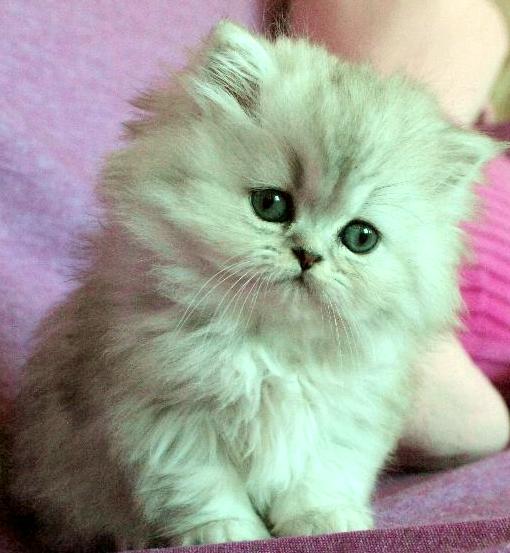
The Persian is a medium-sized pedigree cat known for a long, abundant coat, rounded body, and quiet companionship. Its beauty comes with substantial daily care. Coat maintenance, eye cleaning, temperature control, dental attention, and monitoring of breathing are routine responsibilities, especially in cats with very shortened faces.
Is a Persian right for you?
A Persian may suit someone who wants a gentle indoor companion and can commit to grooming every day. Many enjoy quiet play, predictable routines, and resting near people. The breed is not low maintenance: missed grooming can quickly lead to painful mats, and some cats need regular professional grooming.
Prospective owners should also consider facial structure. Extreme brachycephaly, or a very flat face, can be associated with breathing, eye, dental, and heat-tolerance problems. Choose a cat able to breathe quietly, close its mouth normally, move comfortably, and keep healthy eyes. Appearance should never take priority over function.
Size, lifespan, coat, and appearance
| Trait | Typical Persian |
|---|---|
| Size | Medium, with males usually larger than females |
| Life expectancy | Often around 8–11 years in breed guidance, but genetics and care create wide variation |
| Coat | Long, full, and dense with a substantial ruff and tail plume |
| Build | Compact, sturdy body with short legs and a rounded head |
| Colors | Many solids, tabbies, bicolors, shaded colors, smokes, and pointed patterns |
Coat color does not determine health or temperament. A longhaired round-faced cat is not automatically a Persian; pedigree records establish breed identity. Traditional and more extreme facial types exist. Whatever the type, open nostrils, comfortable breathing, healthy eyes, and functional jaws are essential welfare considerations.
Temperament and family compatibility
Persians are often described as gentle, quiet, and affectionate. Many prefer a calm home and short play sessions over constant action. Individual cats still vary, and handling tolerance should never be assumed from breed or appearance.
They can live with respectful children and compatible pets after gradual introductions. Teach children to support the body, stop when the cat turns away, and leave sleeping or eating cats alone. Provide high resting places and a quiet retreat. Introduce animals through scent exchange, barriers, separate resources, and brief supervised meetings.
Exercise and indoor enrichment
Persians may be placid, but daily activity supports muscle, mobility, digestion, and healthy weight. Offer several short sessions with wand toys, rolling toys, tunnels, and food puzzles. Place sturdy steps or low platforms where a cat with shorter legs can climb without difficult jumps.
Rotate toys and use small food rewards for carrier training, recall, or cooperative grooming. Keep string and feather toys stored after supervised play. Secure screens, balconies, lilies, medicines, cleaners, thread, and small objects that can be swallowed.
Persians are safest indoors or in a secure catio. Their coat can collect debris, and a shortened muzzle may reduce heat tolerance. Avoid hot, humid exposure and ensure cool resting areas and fresh water. Free roaming also creates risks from vehicles, fights, disease, toxins, theft, and wildlife conflict.
Feeding and healthy weight
Feed a complete and balanced cat food appropriate for life stage and health. Measure meals and monitor body condition beneath the coat, which can hide weight gain or loss. Ribs should be easy to feel under a light covering, and changes in appetite or weight warrant attention.
Some flat-faced cats find deep or narrow dishes awkward. A wide, shallow bowl may be easier, but difficulty picking up food or chewing needs veterinary assessment. Fresh water should always be available. Homemade diets require formulation by a qualified veterinary nutritionist.
Weight loss in cats should be gradual and professionally guided because rapid restriction can cause serious illness. Adjust calories after neutering or changes in activity, age, or health.
Daily coat and facial care
Comb the coat to the skin every day with tools suited to the cat’s coat. Pay special attention behind the ears, under the legs, around the chest, belly, and trousers. Begin handling in kittenhood with brief rewards. A surface brush may miss tangles forming close to the skin.
Never cut tight mats with scissors because thin cat skin can be pulled into them. A veterinarian or experienced feline groomer can remove severe mats safely. Bathing needs vary by coat and lifestyle; any shampoo must be cat-safe and the coat should be dried thoroughly without overheating.
Wipe facial folds and tear staining gently with a clean damp pad, using a fresh area for each eye. Persistent discharge, redness, squinting, cloudiness, rubbing, odor, or skin soreness needs veterinary assessment. Cosmetic staining should not be mistaken for harmlessness when discomfort is present.
Teeth, nails, and litter care
Brush teeth with cat toothpaste and arrange dental assessment when advised. Shortened jaws can crowd teeth and make disease harder to notice. Bad breath, drooling, bleeding gums, dropping food, or reluctance to eat requires care.
Trim nails and provide stable scratchers. Supply one roomy litter box per cat plus one extra in separate quiet places. Scoop daily, as long coat may retain litter or waste. Sudden soiling, straining, frequent box visits, or vocalizing can signal urinary or digestive disease rather than misbehavior.
Breathing, heat, and veterinary care
A healthy Persian should breathe comfortably at rest without persistent open-mouth breathing, loud effort, repeated gagging, or blue gums. Flat-faced cats can have narrowed nostrils and crowded upper airways. Heat, stress, obesity, and exertion may worsen breathing difficulty.
Keep the home cool during hot weather, use a secure ventilated carrier, and avoid stressful travel at peak heat. Open-mouth breathing in a cat is an emergency unless it ends immediately after a very brief stress and a veterinarian has advised otherwise. Seek urgent help for labored breathing, collapse, blue or pale gums, inability to urinate, seizures, or suspected poisoning.
Responsible breeding programs should discuss family history and documented screening relevant to their lines, including kidney and cardiac health. A single genetic test cannot replace examination or imaging where indicated. Routine care includes vaccination based on exposure, parasite prevention, dental care, and regular examinations.
Reproduction, neutering, and welfare
Breeding requires mature cats with stable behavior, functional facial structure, appropriate health results, compatible pedigrees, and resources for pregnancy, birth, emergencies, neonatal care, and lifelong placement support. Cats with significant breathing, eye, or dental impairment should not be selected to intensify those traits.
Discuss spaying or neutering with a veterinarian according to health and pregnancy-prevention needs. Until then, securely separate intact males and females whenever mating is possible. Check local licensing, identification, breeding, and housing rules.
Declawing removes part of each toe and should not be used as a routine answer to scratching. Provide suitable scratchers, nail care, and reward-based training instead.
Choosing a kitten or rescue Persian
A responsible breeder should explain grooming, facial care, pedigree, health results, social development, vaccination, contract terms, and their return policy. Observe the adults breathing and moving. Avoid sellers promoting the flattest possible face, “teacup” size, guaranteed health, or immediate shipping without screening the home.
Persians and longhaired mixes also enter shelters and rescues. Ask what is known about pedigree rather than relying on appearance. Review breathing, eyes, teeth, skin, coat tolerance, litter habits, and compatibility. An adult cat with established care needs can be easier to match accurately.
Common questions
Do Persian cats need daily grooming?
Yes. Most need daily combing to the skin, regular facial care, and sometimes professional grooming to prevent painful mats and skin problems.
Are Persian cats good family pets?
Many are gentle companions in calm homes, but children need supervision and every cat’s handling tolerance and personality should be respected.
Can Persian cats breathe normally?
Facial structure varies. Cats with extreme flat faces may have narrowed airways, so comfortable quiet breathing and open nostrils are important when choosing and monitoring a Persian.
Are Persian cats hypoallergenic?
No. Cat allergens come mainly from saliva and skin secretions, and a long coat does not make the breed allergen-free.
Should Persian cats live indoors?
A secure indoor home with daily play, climbing, grooming, cool resting areas, and optional enclosed outdoor access best protects their coat, breathing, and safety.
For a lower-maintenance coat in a people-focused cat, compare the Russian Blue guide; facial structure and grooming demands differ greatly.
Sources and image credit
- The International Cat Association: Persian breed profile
- Cat Fanciers’ Association: Persian information and standard
- International Cat Care and veterinary partners: welfare concerns in brachycephalic cats
- Featured photograph by AgnesRos via Wikimedia Commons, dedicated to the public domain under CC0 1.0. Image may be cropped for presentation.
