
Sphynx Cat
Sphynx cat care guide covering temperament, exercise, skin and ear care, feeding, HCM screening, allergies and responsible adoption.
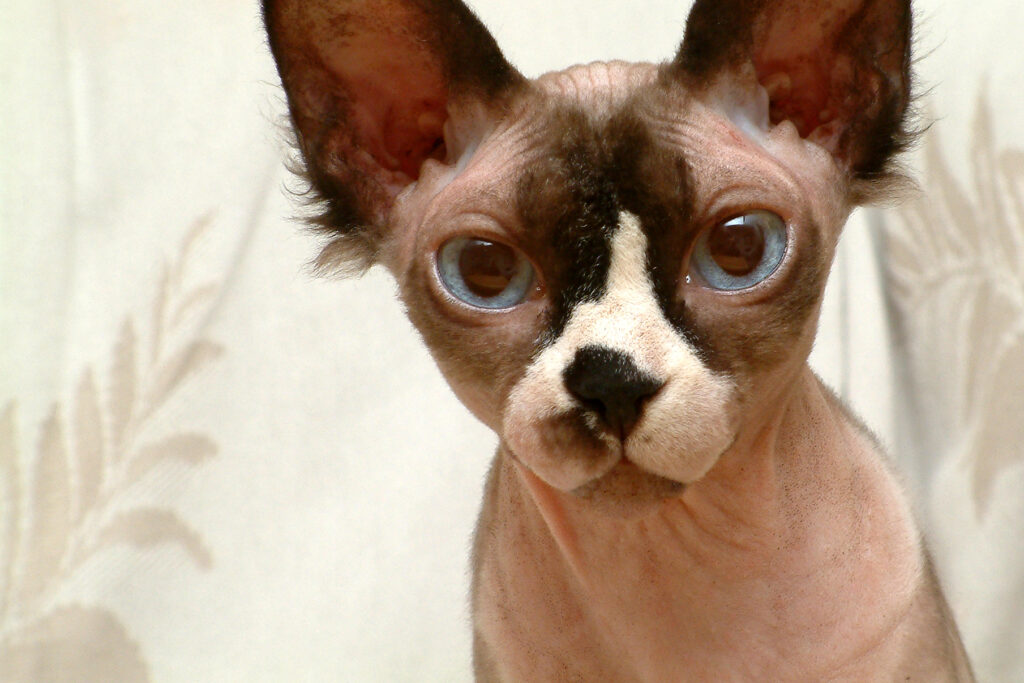
The Sphynx is an active, affectionate domestic cat whose near-hairless appearance creates care needs unlike those of a coated breed. Fine down may cover the skin, and short hair is often present on the nose, ears, feet or tail. Because there is little coat to absorb skin oils or buffer temperature and sunlight, a Sphynx needs thoughtful skin care, warm indoor shelter and protection from sun exposure. A responsible home must also plan for routine veterinary care and screening for hypertrophic cardiomyopathy. Families comparing opposite coat-care needs can also review the Norwegian Forest Cat guide.
Temperament and household fit
Sphynx cats are commonly social, inquisitive and people-oriented. Many seek laps, blankets and warm sleeping places, and some follow family members from room to room. Breed tendencies do not override individual personality, so prospective adopters should spend time with the particular cat and ask how it responds to visitors, children, other cats and dogs. A confident, well-socialized Sphynx may enjoy a busy household, while a shy cat may need a quieter room and slower introductions.
The breed generally does poorly when expected to entertain itself for long stretches every day. Food puzzles, climbing furniture, window perches and short interactive play sessions help meet its mental and physical needs. Introduce resident animals gradually through scent exchange and barriers. Children should learn to let the cat approach, support its body gently and never pull skin, ears or tail.
Exercise, play and training
Plan several brief play periods each day using wand toys, rolling toys, tunnels and safe objects to chase. Rotate toys so novelty lasts, and end vigorous play with a small meal or calm activity. A sturdy climbing tree gives the cat a legal high place and expands usable territory indoors. Secure windows and balconies because curiosity and climbing skill can combine with poor hazard awareness.
Sphynx cats can learn a carrier routine, nail handling, bathing steps and simple cues through rewards. Begin with seconds of calm contact, then increase duration gradually. Place the carrier out as furniture, add bedding and treats, and take occasional short rides before veterinary travel is urgent. Never punish fear or resistance; pause, reduce the difficulty and reward voluntary participation. This cooperative-care approach lowers stress for both cat and caregiver.
Skin, ears and nail care
A Sphynx is not maintenance-free. Skin oil that a normal coat would distribute can collect on the body, bedding and around nail beds. Bathing frequency must suit the individual: too little cleaning may leave greasy buildup, while excessive bathing or harsh shampoo can dry and irritate the skin. The International Cat Association advises regular care but warns that routine weekly bathing is not automatically necessary. Ask a veterinarian to recommend a gentle cat-safe product and schedule based on the cat’s skin.
Check ears and nails at least weekly. Lack of ear hair can make wax more visible, but owners should clean only what a veterinarian has shown them to clean and should never push swabs into the canal. Redness, odor, pain, dark discharge or head shaking warrants veterinary assessment. Trim transparent nail tips carefully and wipe oily debris from the nail folds without cutting living tissue.
Keep the cat indoors in a temperature-controlled environment. Provide washable blankets and warm beds away from heaters that could burn the skin. Direct sun can damage exposed skin, so use shade and limit intense window or outdoor exposure. Do not apply human sunscreen unless a veterinarian specifically approves a product; cats lick their skin and some ingredients are unsafe.
Food, water and body condition
Feed a complete and balanced food appropriate for the cat’s life stage and health. Hairlessness does not justify unlimited feeding. Some Sphynx cats expend more energy maintaining body heat, but appetite, activity, neuter status and indoor temperature differ. Measure meals, monitor weight and body condition, and adjust with veterinary guidance. The ribs should be palpable beneath a light covering, and the waist should remain visible from above even though the breed standard describes a rounded abdomen.
Fresh water should always be available. Multiple wide bowls placed away from litter trays work well, and a fountain may encourage some cats to drink. Sudden weight loss, increased thirst, vomiting, diarrhea or a major appetite change is a medical signal rather than a cue to experiment repeatedly with food. Treats should remain a small part of daily calories.
Health screening and preventive care
Hypertrophic cardiomyopathy, or HCM, thickens the muscular walls of the heart and can reduce cardiac efficiency. Cornell University’s Feline Health Center includes the Sphynx among breeds in which HCM occurs more often, and TICA recommends screening breeding cats by echocardiogram performed by a veterinary cardiologist. A DNA result cannot replace cardiac imaging because known variants do not explain every case and disease may appear later. Buyers should request dated screening records for both parents and discuss ongoing checks with their own veterinarian.
Routine care includes vaccination based on risk, parasite prevention, dental assessment, weight tracking and regular physical examinations. At home, tooth brushing with cat-safe toothpaste is the most useful dental habit when introduced gradually. Open-mouth breathing, collapse, rapid or labored breathing, sudden hind-leg weakness, blue or pale gums and severe lethargy require urgent veterinary attention.
Breeders should also discuss blood typing and hereditary myopathy in their lines, provide a written health history and avoid promising that any cat is guaranteed never to develop disease. Ethical selection considers health, temperament and genetic diversity as well as appearance.
Allergies and the hypoallergenic myth
Sphynx cats are not allergen-free. The major cat allergen Fel d 1 occurs in saliva and skin secretions, so removing most visible hair does not remove the source. Individual reactions vary, and less shed hair may change how allergens spread without making a household safe for every allergic person. Anyone with asthma or significant cat allergy should consult a medical professional and spend repeated time with the individual cat before adoption. No breeder should promise a reaction-free pet.
Choosing a breeder or rescue
Meet the cat in person when possible and ask where it was raised, how it was socialized and what veterinary care it received. A responsible breeder willingly shows recent cardiologist echocardiograms, explains the limits of testing, supplies vaccination and health records, uses a written contract and offers lifelong return support. Kittens should remain with their mother and littermates until developmentally ready, live in clean social spaces and show clear eyes, comfortable breathing and curious behavior.
Breed rescue and general shelters may also have Sphynx or hairless mixed-breed cats. Adoption staff can describe established habits and medical needs. Budget beyond the acquisition fee for high-quality food, bedding laundry, skin and ear supplies, insurance or emergency savings, routine examinations and possible cardiology care. Walk away from sellers who avoid records, pressure immediate payment, ship without safeguards or market “rare” color ahead of health.
Frequently asked questions
Are Sphynx cats completely hairless?
No. Most have fine down that feels like suede, and short hair may occur on the nose, ears, feet or tail.
How often should a Sphynx cat be bathed?
There is no universal weekly rule. Use a veterinarian-approved gentle product and a schedule based on the individual cat’s oil buildup and skin condition; excessive bathing can irritate skin.
Are Sphynx cats hypoallergenic?
No. Cat allergens occur in saliva and skin secretions as well as hair, so allergic reactions remain possible and vary by person and cat.
What health screening should a Sphynx breeder provide?
Ask for dated echocardiograms performed by a veterinary cardiologist for both parents, plus discussion of hereditary myopathy, blood type and the limits of DNA testing.
Can a Sphynx cat go outdoors?
A secure catio or supervised harness time may be possible, but exposed skin needs protection from sun, cold, heat, injury and parasites. Unsupervised roaming is unsafe.