
Beagle
Beagle care guide covering size, temperament, scent-driven exercise, feeding, grooming, training, health screening, and family compatibility.
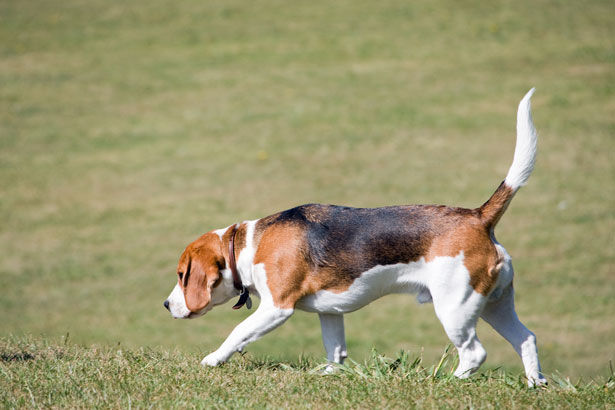
The Beagle is a compact scent hound developed to follow a trail with stamina, independence, and a clear carrying voice. Beagles are often cheerful and social companions, but their powerful nose, appetite, and urge to follow scent require secure management. A prospective owner should choose the breed for its active hound character, not only for its friendly expression or convenient size.
Is a Beagle right for your household?
Beagles tend to enjoy company and can fit well with attentive families, including homes with respectful children. They were bred to work around other hounds, so many are socially motivated. Breed tendencies never guarantee an individual dog’s behavior, and introductions to children, visitors, dogs, or cats should be gradual and supervised.
This breed is a demanding choice for people who want reliable off-leash freedom. A Beagle may ignore a familiar cue when an exciting scent appears, squeeze through a gap, or dig near a fence. Daily companionship also matters. Long periods without activity can contribute to barking, baying, chewing, escape attempts, and weight gain. Apartment living can work when exercise and noise are managed, but close neighbors should understand that hound voices carry.
Size, lifespan, and appearance
| Trait | Typical Beagle |
|---|---|
| Height varieties | 13 inches and under; over 13 and up to 15 inches at the shoulder |
| Weight | Smaller variety under 20 lb; larger variety generally 20–30 lb |
| Life expectancy | Commonly 10–15 years, with individual variation |
| Coat | Short, dense, weather-resistant double coat |
| Build | Compact and sturdy, with long low-set ears and a high-carried tail |
Accepted colors and markings vary among registries, and tri-color, red and white, and lemon combinations are familiar. Color does not establish quality, health, or temperament. A pedigree or reliable rescue history is more useful than appearance for identifying a purebred Beagle. Body condition should stay lean enough that ribs are easily felt beneath a light covering.
Temperament and family compatibility
A well-socialized Beagle is often curious, playful, and affectionate. Many enjoy family walks, scent games, and relaxing near people after activity. They can be persistent problem-solvers when food is involved. Their independence is normal hound behavior rather than stubbornness that should be punished.
Supervise all dog-child contact. Teach children not to climb on, corner, wake, or disturb a dog that is eating. Give the dog a quiet retreat and separate pets around food, chews, and high-value toys until their behavior is well understood. Beagles may live with cats, but prey interest differs among individuals; small pets such as rabbits or rodents need secure housing and physical separation.
Exercise, enrichment, and secure outdoor time
Healthy adults usually need meaningful daily exercise split across walks, play, and training. Age, weather, fitness, and medical conditions change the amount. Puppies need shorter, varied activity with rest, while older dogs may prefer slower sniffing walks. Avoid forced distance running before growth is complete and build conditioning gradually.
Letting a Beagle sniff is enrichment, not wasted walking time. Scatter feeding, food puzzles, tracking games, cardboard searches, and beginner nose work use the abilities for which the breed was developed. Rotate activities and reduce meal portions when food is used in games.
Use a well-fitted harness and leash in unsecured places. A securely fenced area should have checked gates and no gaps at ground level. Electronic boundary systems do not physically stop a scent-driven dog or keep other animals out. Identification tags and current microchip details provide a backup, not a substitute for containment.
Training, recall, and vocal behavior
Short, frequent sessions work better than repetition after attention has faded. Reward offered check-ins, loose-leash walking, coming away from mild distractions, settling on a mat, and exchanging found objects. Start recall indoors, then use a long line outdoors while increasing difficulty slowly. Do not test recall near traffic or wildlife before it is dependable under comparable distractions.
Harsh corrections can damage trust and may suppress warning signals without changing the cause of behavior. Use food, play, and access to sniffing as rewards. A qualified reward-based trainer can help with pulling, guarding, fear, separation distress, or persistent escape behavior.
Beagles may bark, bay, or howl when excited, tracking, lonely, or alerted. Meet exercise and social needs, reward quiet pauses, block predictable visual triggers, and avoid leaving the dog outdoors to rehearse noise. Sudden new vocalization deserves a health and environment check.
Feeding and healthy weight
Feed a complete and balanced diet appropriate for life stage and health. Measure portions rather than relying on an always-full bowl, and count training rewards in the daily total. Many Beagles are strongly food motivated and can gain excess weight when portions, scraps, and access to stored food are not controlled.
Check body condition monthly and track weight. Extra weight stresses joints, complicates breathing and anesthesia, and can shorten healthy life. A veterinarian can set an individual calorie target, especially after neutering or when activity changes. Secure rubbish, groceries, medication, chocolate, xylitol products, grapes, raisins, and other hazards because a determined Beagle may climb or open cupboards.
Grooming, ears, teeth, and nails
The short coat is low maintenance but sheds throughout the year. Weekly brushing removes loose hair and gives an opportunity to check skin, lumps, ticks, and body condition. Bathe when dirty with a dog-safe product; excessive bathing can irritate skin.
Long drop ears can trap warmth and moisture. Inspect them regularly and ask a veterinarian how to clean them safely. Redness, odor, discharge, pain, repeated head shaking, or scratching needs assessment rather than repeated home treatment. Never push cotton swabs into the canal.
Trim nails before they affect gait, and introduce handling gradually with rewards. Brush teeth with dog toothpaste and arrange professional dental assessment when advised. Broken teeth, bad breath, bleeding gums, or difficulty eating need veterinary attention.
Health screening and veterinary care
The National Beagle Club recommends documented screening for hips, eyes, Musladin-Lueke syndrome, cardiac disease, and autoimmune thyroiditis in breeding dogs. The club also notes concerns including epilepsy, allergies, hypothyroidism, back problems, and hip dysplasia. Screening lowers some inherited risk but cannot guarantee that a dog will remain healthy.
Ask breeders for verifiable results tied to the sire and dam rather than accepting “vet checked” as a substitute. Rescue dogs may have incomplete history, so a thorough examination and an individual preventive-care plan are useful. Routine care includes vaccination based on local exposure, parasite control, dental care, and prompt assessment of changes in appetite, thirst, mobility, behavior, or weight.
Seek urgent veterinary help for breathing difficulty, collapse, repeated unproductive retching, seizures lasting several minutes or clustering, inability to urinate, suspected poisoning, severe injury, or a painful swollen abdomen. Do not give human pain medicines unless a veterinarian specifically directs it.
Reproduction, neutering, and responsible ownership
Breeding requires mature dogs with stable behavior, relevant health results, compatible pedigrees, and resources for pregnancy, birth, emergencies, and lifelong placement support. Producing puppies because a dog is friendly or visually attractive is not adequate health planning.
Discuss the timing and health implications of spaying or neutering with a veterinarian. Until a decision is implemented, securely separate intact males and females whenever pregnancy is possible. Owners should also check local licensing, leash, identification, housing, and breeding rules. Ethical care includes veterinary treatment, secure confinement, daily social contact, and a plan for emergencies and travel.
Choosing a Beagle puppy or rescue
A responsible breeder should explain the breed’s noise, scent drive, health tests, social development, contract, and return policy. They should let buyers meet appropriate relatives and see where puppies are raised. Avoid sellers offering immediate shipping, many unrelated breeds, rare-color premiums, or guarantees of perfect health or temperament.
Beagles are also available through shelters and breed rescues. Ask about comfort with handling, food behavior, vocalization, escape attempts, reactions to other animals, and time alone. A foster-based assessment may offer useful household information, though behavior can change after adoption. Choose the individual whose needs match the home.
Common questions
Are Beagles good family dogs?
Many are social and affectionate family companions, but children need supervision and the dog still requires training, exercise, secure management, and a quiet place to rest.
Can Beagles be trusted off leash?
Their strong scent drive makes off-leash reliability difficult. Use a leash or long line outside securely fenced areas, even while practicing recall.
Do Beagles bark or howl a lot?
They can bark, bay, and howl, especially when excited, tracking, under-stimulated, or left alone. Training and meeting their needs can reduce unnecessary noise but cannot remove normal hound communication.
How much exercise does a Beagle need?
Most healthy adults need daily walks, sniffing, play, and mental work. The exact amount should match age, fitness, weather, and health.
Do Beagles shed?
Yes. Their short double coat sheds year-round and may shed more seasonally. Weekly brushing helps remove loose hair.
For another compact hound with a strong scent-and-chase drive, compare the Dachshund care guide.
Sources and image credit
- American Kennel Club: Beagle breed profile
- National Beagle Club of America: Health statement
- National Beagle Club of America: Health screening tests
- Featured photograph by Karen Arnold via Wikimedia Commons, dedicated to the public domain under CC0 1.0. Image may be cropped for presentation.
