
Dachshund
Dachshund care guide covering sizes, coat care, temperament, exercise, training, weight control, spinal health, and family compatibility.
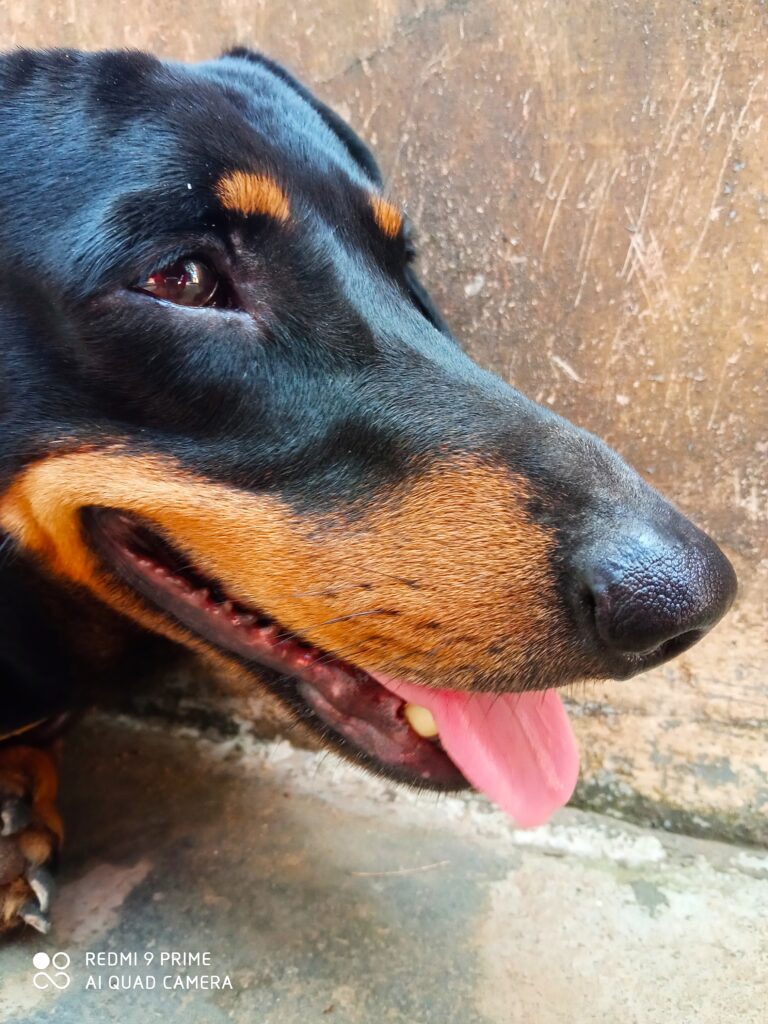
The Dachshund is a low, long-bodied scent hound developed in Germany for determined work in and around burrows. The breed comes in two recognized sizes and three coat types, so grooming and adult weight vary. Its compact appearance can disguise an energetic, independent dog with a strong voice, hunting instincts, and a particular need for lifelong back-conscious care.
Is a Dachshund right for you?
Dachshunds can be affectionate, entertaining companions for people who enjoy a bold hound personality. Many form strong bonds and want to join household activity. They also tend to investigate scent, dig, alert-bark, and make independent choices. Consistent reward-based training and secure management are more productive than expecting automatic obedience.
Owners must plan around the breed’s spinal risk. Keeping the dog lean, building useful muscle through appropriate activity, using non-slip surfaces, and limiting uncontrolled high-impact jumping are daily responsibilities. A small dog still needs exercise, enrichment, dental care, training, and respectful handling.
Sizes, coats, lifespan, and appearance
| Trait | Typical Dachshund |
|---|---|
| Standard size | Usually 16–32 lb as an adult |
| Miniature size | 11 lb or under at 12 months and older under the AKC standard |
| Life expectancy | Often 12–16 years, with individual variation |
| Coats | Smooth, longhaired, or wirehaired |
| Build | Long, muscular body; short legs; prominent chest; alert expression |
The three coat varieties share the same basic breed identity but differ in texture and grooming. Colors and patterns include red, black and tan, chocolate and tan, dapple, brindle, piebald, and others recognized under specific standards. Color should never be prioritized over health, structure, and temperament. Breeding two dapple-patterned dogs can create serious vision and hearing risks and should be avoided.
Temperament and family compatibility
Dachshunds are often lively, watchful, and devoted. Some are reserved with strangers or vocal about arrivals. Early positive exposure to people, surfaces, sounds, handling, and friendly animals helps build confidence but cannot guarantee a particular adult personality.
They can live with considerate children when adults supervise. Children should sit on the floor for interaction, support the dog’s body, and never carry, chase, climb on, or disturb a resting dog. Because accidental drops and rough handling can injure a long-backed dog, very young children and dogs need close management.
Introductions to cats or other dogs should be gradual. Hunting interest varies, so rabbits, rodents, and birds require secure housing and physical separation. Give every pet separate food, resting places, and escape routes.
Exercise, enrichment, and safe movement
Healthy adults benefit from daily on-leash walks and controlled play. Several moderate sessions are generally more appropriate than occasional intense exercise. Puppies need shorter activity that increases gradually as bones and muscles develop, while senior dogs may need slower walks and veterinary guidance.
Scent searches, food puzzles, tracking games, digging boxes, and reward-based training use the breed’s working abilities. Count food rewards toward the daily ration. A fenced garden should have secure gates and protection against digging escapes. Use a leash in open areas because a scent trail can override recall.
Ramps or low steps can reduce repeated high jumps onto furniture, though equipment must be stable and taught gradually. Add rugs or runners on slippery floors. Prevent access to high ledges and staircases when unsupervised. Complete rest is not routine prevention: appropriate, regular movement supports muscle and healthy weight.
Training, barking, and time alone
Keep training sessions short, clear, and rewarding. Practice name response, recall, loose-leash walking, settling, trading found objects, and calm handling. Start in a quiet room before adding distractions. Harsh corrections can create fear or defensive behavior and do not teach the desired alternative.
Dachshunds may bark at visitors, noises, animals, or changes outside. Meet physical and mental needs, reward quiet pauses, reduce predictable visual triggers, and teach a settle behavior. Their alert voice is a breed tendency, so complete silence is unrealistic.
Build comfortable alone time gradually. A dog that howls, destroys exits, drools, soils only when alone, or injures itself may have separation-related distress rather than spite. A veterinarian and qualified behavior professional can develop a safe plan.
Feeding and weight control
Feed a complete and balanced diet appropriate for life stage and health. Measure meals, include treats in the daily total, and avoid free feeding when intake cannot be monitored. Even modest extra weight increases load on the spine and joints.
Check body condition beneath the coat. Ribs should be easy to feel under a light covering, with a visible waist from above. Track weight at home and during veterinary visits. Ask for an individual calorie target after neutering, during growth, or when activity changes. Weight loss should be gradual and professionally guided.
Secure rubbish, medications, chocolate, xylitol products, grapes, raisins, and other hazards. Dachshunds may use chairs or determined digging to reach food. Fresh water should always be available.
Grooming, teeth, ears, and nails
Smooth coats usually need weekly brushing. Longhaired dogs require more frequent combing around ears, chest, legs, belly, and tail. Wirehaired coats need regular brushing and may require skilled hand stripping or trimming to maintain texture. Never cut tight mats with scissors close to the skin.
Inspect drop ears for redness, odor, discharge, pain, or repeated head shaking. Ask a veterinarian to demonstrate safe cleaning and never insert swabs into the canal. Trim nails before they alter movement or click heavily on floors.
Brush teeth with dog toothpaste and arrange professional dental assessment when advised. Small dogs can develop significant dental disease. Bad breath, bleeding gums, loose teeth, dropping food, or facial swelling needs veterinary attention.
Back health and veterinary care
The Dachshund’s body shape is associated with a high risk of intervertebral disc disease, or IVDD. Disc material can press on the spinal cord and cause pain, weakness, loss of coordination, or paralysis. Maintaining lean weight and appropriate fitness supports general health but cannot eliminate inherited risk.
Seek urgent veterinary care for sudden back or neck pain, crying when moved, reluctance to walk, a hunched posture, wobbling, dragging paws, weakness, paralysis, or loss of bladder control. Restrict movement and transport the dog with the spine supported. Do not wait to see whether severe neurological signs improve and do not give human pain medicines.
Responsible breeding programs should discuss family history and documented eye, cardiac, and patellar evaluations recommended for the breed, along with any additional testing relevant to coat or lineage. Screening reduces risk without guaranteeing lifelong health. Routine examinations, vaccination based on local exposure, parasite prevention, and dental care remain essential.
Reproduction, neutering, and welfare
Breeding requires mature dogs with stable behavior, appropriate health results, sound structure, compatible pedigrees, and resources for pregnancy, birth, neonatal care, emergencies, and lifelong placement support. Extreme proportions or fashionable colors should never take priority over welfare.
Discuss the timing and health implications of spaying or neutering with a veterinarian. Until a decision is implemented, securely separate intact males and females whenever pregnancy is possible. Owners should follow local licensing, leash, identification, housing, and breeding rules.
Support the chest and hindquarters when lifting. Never pick a Dachshund up by the front legs or allow children to carry one unsupervised. Use a secure harness or carrier in vehicles rather than allowing the dog to roam inside the car.
Choosing a puppy or rescue Dachshund
A responsible breeder should discuss spinal risk, health testing, pedigree, temperament, social development, contract terms, and a return policy. Buyers should see where puppies are raised and meet appropriate relatives. Avoid sellers promising “rare” colors, permanently tiny adults, perfect health, or immediate shipping without screening the home.
Dachshunds frequently appear in shelters and breed rescues. Ask about mobility, pain history, handling, food behavior, house training, vocalization, other animals, and time alone. A foster assessment can help, although behavior may change after adoption. An adult dog with known preferences may be an excellent match.
Common questions
Are Dachshunds good family dogs?
Many are affectionate family companions, but children need supervision and must handle the dog’s long back carefully. Individual temperament and social history still matter.
How much exercise does a Dachshund need?
Healthy adults need daily walks and controlled play, usually divided into moderate sessions. The amount should match age, conditioning, weather, and medical advice.
Can Dachshunds use stairs?
Repeated uncontrolled stair climbing and jumping can add risk. Discuss the individual dog with a veterinarian, use gates when appropriate, provide traction, and teach stable ramps gradually.
Do Dachshunds bark a lot?
They can be vocal watchdogs. Enrichment, training, meeting social needs, and managing triggers can reduce unnecessary barking but cannot remove normal breed tendencies.
What are signs of a back emergency in a Dachshund?
Sudden pain, wobbling, dragging paws, weakness, paralysis, or loss of bladder control requires urgent veterinary assessment with movement restricted during transport.
The Beagle guide offers a useful comparison for scent-hound training, secure walking, feeding, and family life.
Sources and image credit
- American Kennel Club: Dachshund breed profile
- Dachshund Club of America: health and general care
- Orthopedic Foundation for Animals: Dachshund health screening recommendations
- Featured photograph by Prasanth C7 via Wikimedia Commons, dedicated to the public domain under CC0 1.0. Image may be cropped for presentation.
