
Boston Terrier
Boston Terrier care guide covering temperament, exercise, training, grooming, feeding, airway and eye health, screening and household fit.
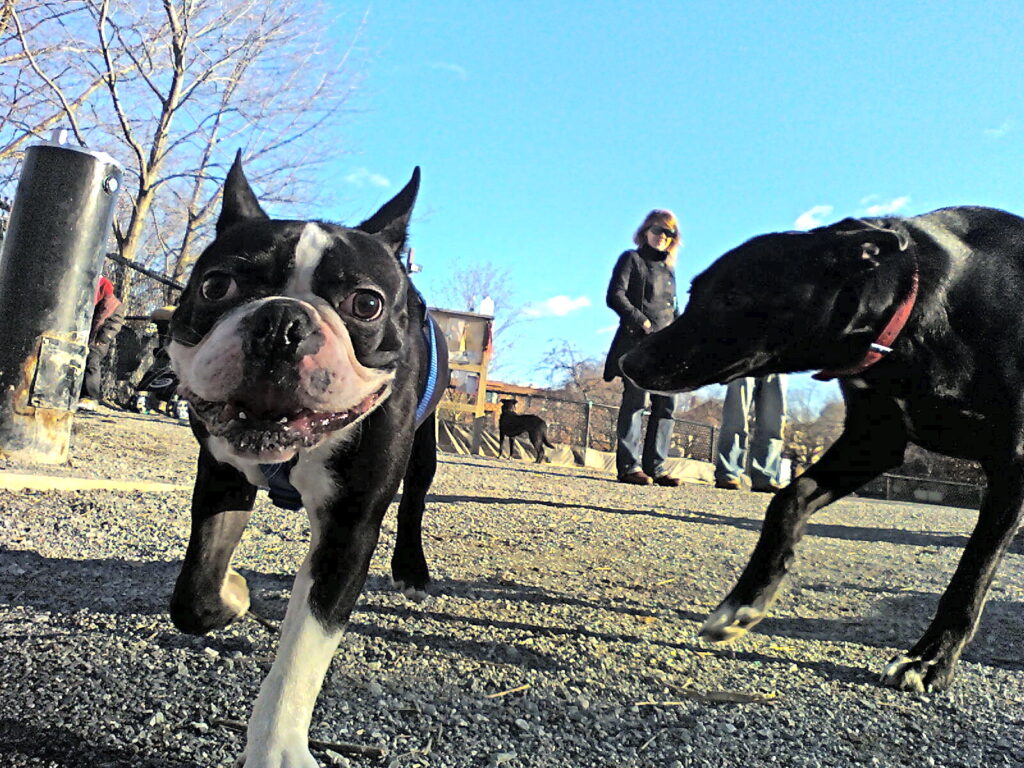
The Boston Terrier is a compact American companion breed with a short coat, square outline and distinctive white markings. The American Kennel Club standard divides adults into weight classes under 15 pounds, 15 to under 20 pounds, and 20 to no more than 25 pounds. Often called the “American Gentleman,” the breed is commonly sociable, playful and closely attached to people. Its small size can suit city life, but a short muzzle and prominent eyes add health and safety responsibilities that prospective owners should understand before bringing one home. Families comparing small companion breeds can also review the Havanese guide, especially its coat care and time-alone needs.
Temperament and household fit
Many Boston Terriers are affectionate, alert and eager to join household activities. They often enjoy visitors and can live well with considerate children or other pets after careful introductions. These are breed tendencies rather than promises: inherited temperament, early experience, training and health shape each dog. Adults should supervise every interaction with young children, protect the dog’s resting place and teach children never to grab, corner or climb on a dog.
A Boston may fit an apartment when toilet breaks, play, exercise and quiet-time training are reliable. The breed’s people-focused nature means long, routine periods alone may be difficult. Build independence gradually with a safe resting area, a food toy and brief absences. Persistent barking, destructive behavior, pacing or house soiling during departures deserves help from a veterinarian or qualified behavior professional rather than punishment.
Exercise, heat and breathing safety
Healthy adults usually benefit from daily walks, play and short training sessions, adjusted for age, fitness and individual breathing. Several moderate outings are safer than one exhausting workout. Puppies need exploration and controlled play without repeated high jumps or forced distance running. Older dogs may need shorter routes and better footing. Sniffing games, food searches and simple tricks add mental work without demanding continuous speed.
Boston Terriers are brachycephalic, meaning their skull and muzzle are shortened. Some breathe freely, while others develop brachycephalic obstructive airway syndrome. Noisy breathing should not automatically be dismissed as normal. Avoid strenuous activity in heat or humidity, walk during cooler hours, carry water and use a well-fitted harness if neck pressure worsens breathing. Stop immediately for distressed breathing, weakness, blue or gray gums, confusion or collapse and seek urgent veterinary care. Never leave any dog in a parked vehicle.
Training, socialization and daily manners
Use reward-based training with small food rewards, toys and access to valued activities. Teach name response, recall, loose-leash walking, leave-it, settling on a mat and calm handling. Short sessions suit a lively companion and make it easier to finish before attention fades. Harsh corrections can create fear or conflict and do not explain the behavior you want. A front-clip or comfortable Y-shaped harness may help with walking while training progresses, provided it does not restrict shoulder movement.
Good socialization gives a puppy safe, positive exposure to people, friendly vaccinated dogs, traffic sounds, grooming, car travel and different surfaces. It does not mean forcing greetings. Let the dog observe from a comfortable distance and pair new experiences with rewards. Continue social learning through adulthood. Practice calm behavior around doorways and visitors so enthusiasm does not become jumping or frantic greetings.
Coat, eyes, ears, teeth and nails
The smooth short coat needs modest grooming. Brush weekly with a soft brush or grooming mitt to collect loose hair and inspect the skin. Bathe when dirty with a dog-safe product and dry the skin folds around the face carefully. Check ears for redness, odor, discharge or pain. Trim nails before they become long enough to alter gait, and introduce nail handling with tiny steps and rewards.
Large, prominent eyes are vulnerable to irritation and injury. Keep sharp vegetation away from face height and seek prompt veterinary care for squinting, redness, cloudiness, discharge or rubbing. Do not use leftover eye medication. Brush teeth daily with canine toothpaste because small dogs can accumulate dental disease. A veterinarian can assess retained baby teeth, crowded teeth, gum disease and the need for professional cleaning.
Feeding and healthy body condition
Feed a complete and balanced diet appropriate for the dog’s life stage. Measure meals and count training treats within the daily total. Package directions are starting estimates; actual needs vary with size, age, activity, neuter status and health. A veterinarian can help assess body condition: ribs should be easy to feel beneath a light covering, with a visible waist from above. Excess weight increases physical effort and can worsen heat and breathing stress.
Provide fresh water at all times and change foods gradually unless a veterinarian directs otherwise. Use a bowl or feeder that lets the dog eat comfortably without frantic gulping. Repeated vomiting, regurgitation, coughing during meals, diarrhea or poor growth requires veterinary assessment. Avoid supplements and extreme diets based on online claims, because unnecessary additions can unbalance an otherwise complete food.
Health screening and veterinary care
Responsible breeders document health testing for the parents and make results available for buyers to verify. The Boston Terrier Club of America’s current health certification information includes hearing evaluation with BAER testing, an eye examination and patellar evaluation; buyers should check the club and Orthopedic Foundation for Animals for the current panel. The OFA respiratory function grading scheme also accepts Boston Terriers for objective airway assessment. A CHIC number means the required results were completed and made public, not that every result was normal.
Possible concerns include airway obstruction, heat intolerance, corneal injury, cataracts, deafness, kneecap instability and spinal abnormalities. Risk is not a diagnosis, and many dogs remain active companions with thoughtful care. Schedule preventive examinations, vaccination, parasite control and dental care according to local veterinary advice. Seek care for exercise intolerance, fainting, persistent cough, new breathing noise, limping, head shaking, vision change, seizures or unexplained behavior change.
Choosing a breeder or rescue
Ask a breeder for the registered names of both parents and verify health results rather than accepting “vet checked” as proof. Meet the mother and, when possible, other adult relatives. Observe breathing at rest and after gentle movement, movement quality, eye comfort and recovery from excitement. A responsible breeder discusses limitations honestly, raises puppies in a clean enriched setting, uses a written contract and remains available after placement. Avoid sellers who market unusual colors as more important than health or who refuse to share records.
Rescue can be a good choice when the organization provides a clear account of medical needs, behavior, home habits and reactions to children or animals. Before arrival, prepare secure identification, a comfortable harness, barriers, safe chew items and a quiet bed. Keep the first days predictable, continue the familiar food at first and arrange a veterinary visit. Pet insurance or a dedicated emergency fund can make unexpected airway, eye or orthopedic care easier to manage.
Safety and lifelong welfare
Use a leash near traffic and a secure crate or tested restraint in vehicles. Because a Boston Terrier can be vulnerable to temperature extremes, provide a warm indoor resting place in cold weather and shade, water and limited exertion in heat. Keep medicines, xylitol, chocolate, grapes, raisins and other toxins inaccessible. Choose toys large enough not to swallow and inspect them for damaged pieces.
Good welfare includes companionship, sleep, gentle training, chances to sniff and play, routine medical care and protection from avoidable breathing stress. The right home values the dog as a social companion rather than treating small size as evidence of low needs. With realistic expectations and prompt attention to airway and eye health, a Boston Terrier can participate in family life for many years.
Frequently asked questions
How much exercise does a Boston Terrier need?
Most healthy adults benefit from daily walks and play in several moderate sessions. Adjust activity for age, fitness, weather and breathing, and stop before the dog becomes distressed.
Are Boston Terriers good apartment dogs?
They can live well in apartments when they receive reliable toilet breaks, exercise, enrichment and training for quiet settling and gradual time alone.
Do Boston Terriers tolerate hot weather?
Their short muzzle can reduce cooling efficiency. Exercise in cooler periods, provide shade and water, avoid strenuous heat exposure and seek urgent help for breathing distress or collapse.
How often should a Boston Terrier be groomed?
Brush the short coat about weekly, check ears and skin regularly, trim nails as needed and brush teeth daily. Eye discomfort should be assessed promptly by a veterinarian.
What health tests should a Boston Terrier breeder show?
Ask for publicly verifiable results for hearing, eyes and patellas and check the current parent-club and OFA recommendations, including available respiratory function assessment.
Sources and image credit
- American Kennel Club: Boston Terrier breed information
- American Kennel Club: Official Boston Terrier standard
- Boston Terrier Club of America: Health Certification Program
- Orthopedic Foundation for Animals: CHIC program
- Orthopedic Foundation for Animals: Respiratory Function Grading Scheme
Featured image: Boston Terrier in a Philadelphia dog park, photograph by Lyonspen via Wikimedia Commons, licensed under CC BY-SA 3.0.
