
Havanese
Havanese care guide covering temperament, exercise, training, grooming, feeding, health screening and household fit.
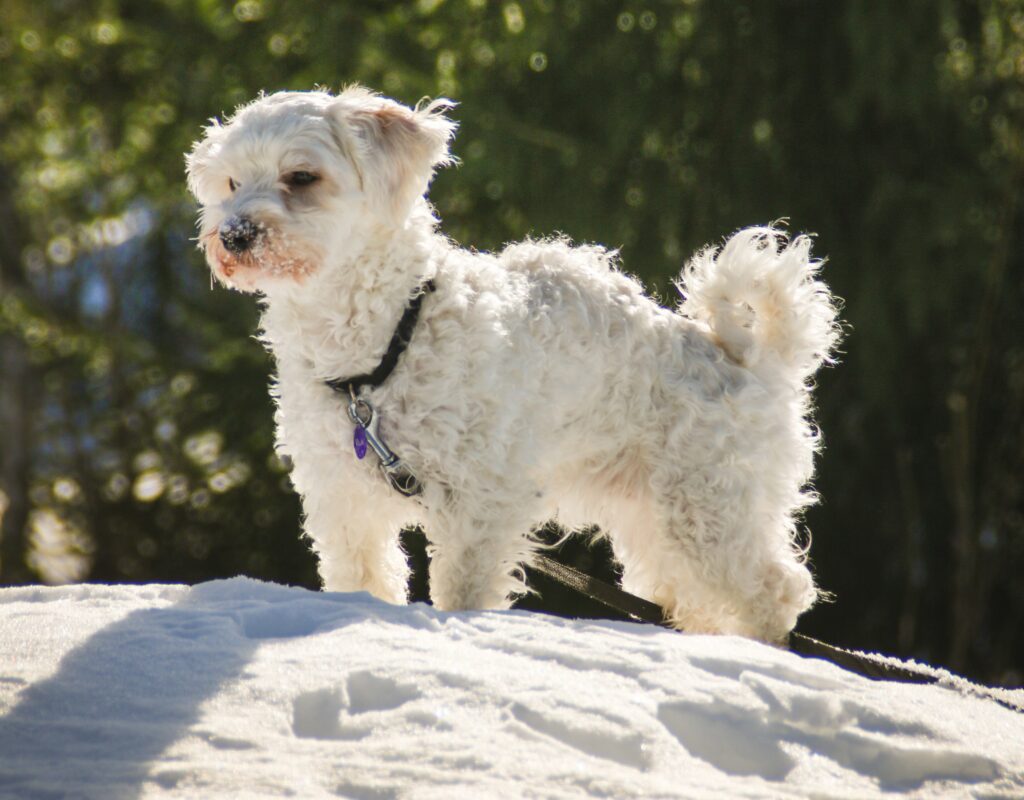
The Havanese is a small Cuban companion breed known for sociability, a springy gait, and a long, soft coat. Adults are typically 8.5–11.5 inches tall and 7–13 pounds, with an expected lifespan of about 14–16 years according to the American Kennel Club. Small size can make the breed convenient for apartments, but a Havanese still needs daily activity, regular grooming, thoughtful training, preventive veterinary care, and plenty of human company. For a short-coated alternative with different heat and airway considerations, compare the Boston Terrier guide.
Temperament and household fit
Havanese were developed as companion dogs and usually want to participate in family life. Many are outgoing with visitors, playful with familiar children, and comfortable with friendly dogs when introductions are controlled. Breed tendencies are only a starting point: an individual puppy’s genetics, early experiences, health, and training shape adult behavior. Children should learn to sit for greetings, avoid lifting the dog, and leave it alone while eating or sleeping. Because this is a light toy breed, rough handling and falls can cause injury even when nobody intends harm.
The breed often suits city homes because moderate exercise can be provided through walks and indoor games. Noise management matters in shared buildings. Reward quiet behavior before hallway sounds become a barking habit, and block repeated window patrols when necessary. Havanese thrive on company and may struggle if left alone for long workdays. Families should build calm independence gradually rather than allowing a puppy to follow one person every minute.
Exercise and mental enrichment
A brisk daily walk plus play, sniffing, and short training sessions meets the needs of many healthy adults. The AKC describes the breed’s exercise requirement as moderate; VCA suggests a walk around the block once or twice daily plus an active game. Exact duration should follow age, conditioning, weather, and veterinary guidance. Puppies need frequent short outings rather than forced distance, and older dogs may prefer slower sniff walks. Stop if the dog lags, pants heavily, or seeks shade.
Trick training, food puzzles, scent searches, and gentle agility foundations provide useful mental work. A fenced area is safer than off-leash exercise near traffic. A Havanese is small enough to be vulnerable around much larger unfamiliar dogs, so choose play partners carefully. In hot weather, walk during cooler hours and provide water; in cold or wet conditions, dry the coat and protect a clipped dog that lacks the insulation of a full coat.
Training and time alone
Havanese are bright and responsive, but the breed can be sensitive. Use food, toys, access to play, and praise to reward the behavior you want. Harsh corrections can create avoidance without teaching a useful alternative. Begin with name response, recall, loose-leash walking, settle on a mat, cooperative handling, and trading objects. Socialization means calm, positive exposure to varied people, surfaces, sounds, vehicles, and well-mannered animals; it does not mean forcing every greeting.
House-training a toy puppy requires a predictable schedule because its bladder is small. Take the puppy out after waking, eating, play, and training, reward immediately outdoors, and supervise closely inside. For alone-time practice, provide a safe resting area and leave for seconds before progressing to minutes. Return while the puppy is calm. Persistent panic, escape attempts, drooling, or distress vocalization warrants help from a veterinarian and a qualified reward-based behavior professional.
Coat, eyes, ears, teeth, and nails
The long coat sheds relatively little but tangles readily. The AKC recommends daily gentle combing for a full coat; shorter pet trims reduce length but still require routine combing down to the skin. Focus on friction areas behind the ears, under the harness, in the armpits, around the legs, and beneath the tail. Work through small sections with a metal comb and detangling product rather than pulling a mat. Tight mats can trap moisture and cause painful skin irritation, so severe matting should be handled by a professional groomer or veterinary team.
Check the eyes daily and wipe discharge with a clean damp cloth, using a separate area for each eye. Redness, squinting, cloudiness, or sudden discharge needs veterinary attention. Inspect ears for odor, redness, pain, or heavy debris; do not push cotton swabs into the canal. Brush teeth with dog-safe toothpaste as often as the veterinary team recommends, ideally daily, because small dogs are prone to dental crowding and periodontal disease. Trim nails before they click on hard floors, and introduce every grooming step with rewards.
Food and healthy body condition
Feed a complete and balanced diet appropriate for the dog’s life stage. Measure meals rather than leaving an unlimited bowl, and count training treats within the daily calorie allowance. A long coat can hide weight gain, so use your hands: you should be able to feel the ribs under a light covering without pressing hard, and the waist should be visible from above. Your veterinarian can set a target body-condition score and adjust portions after neutering, illness, or a change in activity.
Fresh water should always be available. Sudden appetite loss, repeated vomiting, diarrhea, abdominal pain, or difficulty chewing deserves veterinary advice. Avoid cooked bones and foods toxic to dogs, including chocolate, grapes and raisins, xylitol, onions, and garlic. Supplements are not automatically beneficial; adding calcium or vitamins to a balanced food can create nutritional imbalance, especially in growing puppies.
Health screening and preventive care
Responsible breeding reduces avoidable risk but cannot guarantee health. The Havanese Club of America’s health statement identifies four examinations for current CHIC certification: a BAER hearing test, hip evaluation, patella evaluation, and annual CAER eye examination. Ask a breeder for the registered results of both parents and verify them in the Orthopedic Foundation for Animals database. A promise that the parents were “vet checked” is not the same as documented breed-specific screening.
Veterinary sources also describe eye disorders, deafness, patellar luxation, Legg-Calvé-Perthes disease, and heart murmurs in the breed. Owners should watch for limping, skipping steps, reluctance to jump, head tilt, reduced response to sound, vision changes, coughing, or exercise intolerance. Preventive care includes vaccinations based on local risk, parasite control, dental assessment, weight monitoring, and regular examinations. Choose a clinic before an emergency and know where after-hours care is available.
Choosing and living with a Havanese
Meet adult dogs when possible and look for breeders who discuss temperament, publish health results, raise puppies in a stimulating home environment, and take lifetime responsibility for dogs they produce. A good breeder asks buyers questions and does not offer immediate anonymous shipping. Rescue can be an excellent route for people prepared to assess the needs of an individual dog. Budget for grooming, veterinary dentistry, training, insurance or emergency savings, and reliable care during travel.
A Havanese can be a rewarding match for someone who wants a close, trainable companion and can provide regular coat care. It is a poor match for a household seeking an independent dog that can routinely remain alone all day. Before deciding, compare other small companion breeds and read the site’s pet care guides, including the Pomeranian guide and Cavalier King Charles Spaniel guide.
Frequently asked questions
How much exercise does a Havanese need?
Most healthy adults do well with a brisk daily walk, active play, and short training or scent games. Adjust activity for age, fitness, weather, and veterinary advice.
Can a Havanese live in an apartment?
Yes. The breed’s small size and moderate exercise needs can suit apartment life when owners provide daily activity, teach calm behavior, manage barking, and avoid leaving the dog alone for long periods.
How often should a Havanese be groomed?
A full coat generally needs gentle daily combing to prevent mats. A short pet trim still needs regular brushing, plus routine eye, ear, dental, and nail care.
What health tests should Havanese breeders complete?
The Havanese Club of America identifies BAER hearing, hip, patella, and annual CAER eye examinations for current CHIC certification. Buyers should verify registered results for both parents.
Are Havanese hypoallergenic?
No dog breed is truly hypoallergenic. Havanese tend to shed less than many breeds, but individual people can still react to dander, saliva, or environmental allergens carried on the coat.
