
French Bulldog
French Bulldog care guide covering temperament, breathing, heat safety, exercise, training, feeding, grooming, swimming, and health screening.
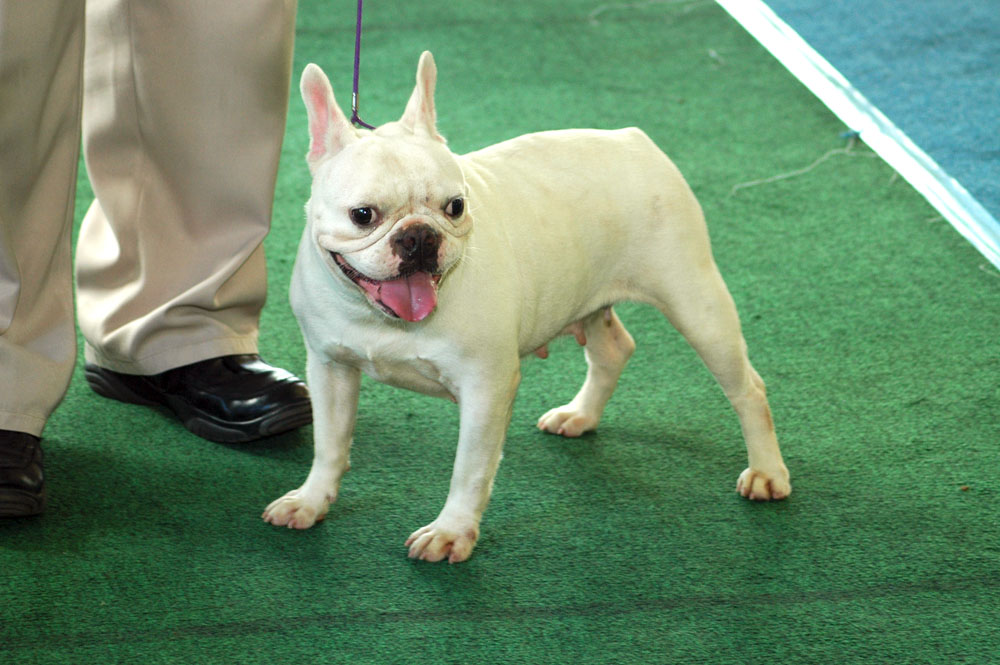
The French Bulldog is a compact companion dog with upright “bat ears,” a short coat, muscular build, and an affectionate, adaptable personality. Its moderate exercise needs can suit urban homes, but its extremely short muzzle and front-heavy body create health and safety needs that every prospective owner should understand before choosing the breed.
Is a French Bulldog right for you?
Frenchies are people-oriented dogs that often enjoy close indoor companionship, short walks, play, and learning for rewards. Many adapt well to apartments because they do not need distance running or a large garden. Apartment suitability still depends on toilet access, training, enrichment, noise tolerance, and the dog’s ability to cope when alone.
This breed is a poor match for owners seeking a jogging partner, a dog that can safely exercise in hot weather, or a naturally strong swimmer. Veterinary costs can be substantial. Before acquiring one, budget for insurance or emergency care and identify a veterinarian familiar with brachycephalic dogs.
Size, appearance, and lifespan
| Trait | Typical French Bulldog |
|---|---|
| Weight | Usually under 28 lb (13 kg) |
| Height | About 11–13 in (28–33 cm) |
| Lifespan | Approximately 10–12 years |
| Coat | Short, smooth, and moderately shedding |
| Exercise | Short daily walks and play, adjusted for breathing and temperature |
The breed has a large square head, broad chest, compact muscular body, short tail, facial folds, and naturally erect ears. Exaggeration is not a health advantage. An extremely narrowed nose, distressed breathing at rest, poor movement, or inability to tolerate ordinary activity should never be accepted as “normal for the breed.”
Temperament and family life
French Bulldogs are often playful, alert, and affectionate. They can live successfully with respectful children and other pets, but breed tendencies do not guarantee an individual dog’s behavior. Supervise children, protect sleeping and eating areas, and introduce animals gradually.
Close attachment can make alone-time training important. Build absences slowly, provide a predictable resting area, and seek qualified help if the dog panics, vocalizes continuously, soils, or injures itself when left. Socialization should create positive, controlled experiences rather than overwhelming a puppy.
Breathing and heat safety
The shortened skull is associated with brachycephalic obstructive airway syndrome. Warning signs include loud breathing while awake, frequent gagging, exercise intolerance, disturbed sleep, blue or gray gums, and collapse. Snoring alone should not be used to dismiss breathing difficulty. A veterinarian can assess nostrils, airway structures, body condition, and whether treatment is needed.
Exercise during cooler parts of the day, use a well-fitted harness, provide shade and water, and stop before distress develops. Never leave a dog in a parked vehicle. Heavy panting that does not settle, weakness, vomiting, confusion, collapse, or abnormal gum color requires emergency veterinary care.
Exercise and enrichment
Most healthy Frenchies benefit from several short walks and play sessions rather than one strenuous outing. Weather, age, airway health, joints, and fitness should determine the amount. Avoid forced running and intense activity in heat or humidity.
Use food puzzles, scent searches, gentle tug, retrieve games, and short training sessions to provide mental activity. Enrichment helps prevent boredom without asking the dog to overheat. Maintain a lean body condition because excess weight increases stress on breathing, joints, and the spine.
Training a French Bulldog
Begin reward-based training with toilet habits, recall, loose-lead walking, calm greetings, handling, and settling on a mat. Frenchies can be persistent, so brief sessions and valuable rewards work better than confrontation. Teach a reliable “drop” and prevent access to objects that could be swallowed.
Choose puppy classes that control temperature and allow rest. Punishment cannot correct an anatomical breathing restriction and may make handling or veterinary care harder. Sudden reluctance to move, sit, climb, or be touched deserves medical assessment before it is treated as disobedience.
Feeding and weight management
Feed a complete and balanced diet appropriate for the dog’s life stage. Measure meals, include treats in the daily calorie allowance, and track body condition. You should be able to feel the ribs beneath a light covering and see a waist from above.
Slow feeders may help dogs that gulp food, but repeated regurgitation, choking, vomiting, diarrhea, or swallowing difficulty requires veterinary attention. Avoid unbalanced homemade diets and supplements unless a veterinary professional has identified a need.
Grooming, folds, teeth, and nails
Brush the short coat weekly. Check facial folds and the tail area, cleaning only with products and frequency recommended for the individual dog; folds should be kept dry after cleaning. Redness, odor, discharge, pain, or persistent licking can indicate infection.
Trim nails regularly and introduce tooth brushing with dog-safe toothpaste. Check the prominent eyes for squinting, cloudiness, injury, or discharge. Eye pain can worsen quickly and needs prompt veterinary care.
Swimming and travel safety
French Bulldogs are front-heavy and cannot be assumed to swim safely. Keep them away from unsupervised pools, baths, ponds, and open water. A canine life jacket and close adult control are necessary around water, but flotation equipment does not remove the risk.
Travel requires temperature control and secure restraint. Airline policies for brachycephalic breeds differ because respiratory risk can increase during transport. Discuss long journeys with a veterinarian and never place a Frenchie in an unventilated cargo space.
Health screening and choosing a breeder
Breed concerns include airway obstruction, spinal and disc disease, patellar and hip problems, eye disease, allergies, skin-fold disease, and reproductive difficulty. The American Kennel Club lists patella, hip, cardiac, and ophthalmologist evaluations among parent-club recommendations. Screening reduces avoidable risk but cannot guarantee lifelong health.
Ask to see verifiable results for both parents and observe how adult dogs breathe and move. Avoid sellers advertising extreme features or unusual colors as more important than health. Rescue organizations can also place French Bulldogs; ask for airway, spine, skin, eye, and behavior history.
Common questions
Do French Bulldogs need much exercise?
They need daily movement and enrichment, but usually in short sessions adjusted for temperature and breathing ability. They are unsuitable for strenuous hot-weather exercise.
Can French Bulldogs swim?
They are at high risk in water because of their front-heavy build and short muzzle. They should never be left near water unsupervised.
Are French Bulldogs hypoallergenic?
No. They shed and produce allergens found in saliva, dander, and skin secretions.
Why does my French Bulldog snore?
The shortened airway can create noisy breathing, but frequent or severe noise should be assessed rather than assumed harmless, especially when paired with poor sleep or exercise intolerance.
Are French Bulldogs good apartment dogs?
They often adapt well when provided regular toilet breaks, training, companionship, mental enrichment, and temperature-controlled exercise.
For a larger short-muzzled companion with different exercise and cardiac considerations, compare the Boxer care guide.
Sources and image credit
- American Kennel Club: French Bulldog
- French Bull Dog Club of America health statement
- Orthopedic Foundation for Animals: health screening
- Featured photograph by danny O. via Wikimedia Commons, licensed CC BY 2.0.
