
Great Dane
Great Dane care guide covering temperament, space, exercise, training, grooming, giant-breed nutrition, health screening and bloat safety.
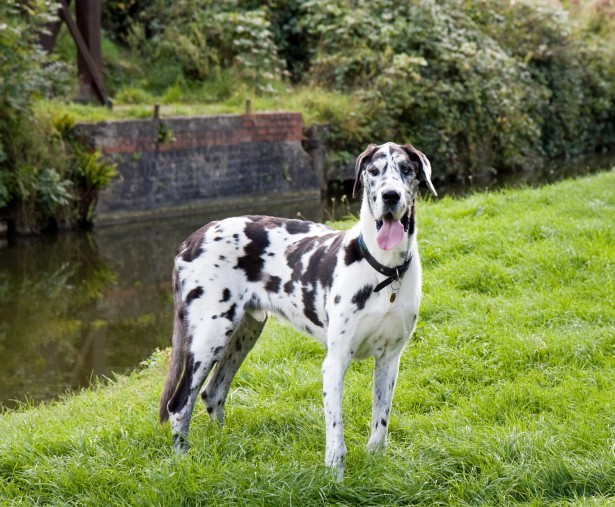
The Great Dane is a giant companion breed whose calm presence can make its size look effortless. In practice, living well with one requires careful planning for space, training, food, veterinary care and safe handling. The American Kennel Club standard describes males as at least 30 inches at the shoulder, with 32 inches or more preferred, and females as at least 28 inches, with 30 inches or more preferred. Many adults weigh roughly 110–175 pounds. A Dane can be affectionate and dependable, but even a friendly untrained dog of this size can accidentally knock over a child, pull an adult off balance or reach food and hazards that smaller dogs cannot. For a smaller but energetic working companion, compare the training, heat and cardiac considerations in the Boxer guide.
Temperament and household fit
Great Danes are commonly described as friendly, patient and people-oriented. Breed tendencies are only a starting point: temperament also reflects genetics, early experience, health and training. A suitable household wants a very large dog close to family life and can provide consistent boundaries without harsh treatment. Many Danes enjoy visitors after a thoughtful introduction, while others are naturally watchful. Early socialization should help the dog feel safe and recover calmly rather than require enthusiastic greetings with everyone.
Danes may live successfully with considerate children and other pets, but adults must supervise. A wagging tail or playful turn can send objects flying, and a young dog may not understand its strength. Give every animal a separate resting and feeding area, introduce pets gradually and use gates when direct supervision is unavailable. Apartment living can work for an individual with reliable outdoor access and good manners, but narrow stairs, slippery floors, small lifts and limited toilet options can make daily care difficult.
Space, equipment and everyday handling
Before bringing a Dane home, picture the adult dog moving through every doorway, vehicle and room. Provide a bed large enough to stretch out, washable covers, non-slip rugs and a secure outdoor area. Choose a wide, properly fitted collar or harness and inspect it often as a puppy grows. Teach the dog to wait at doors, stand calmly for handling and walk without pulling. These skills protect both dog and handler when strength and weight increase.
A suitable vehicle should allow the dog to enter without a dangerous leap and ride restrained in a sturdy crate or appropriate tested harness. Ramps can help, but introduce them gradually and add a non-slip surface. Keep food well away from counter edges, secure bins and store medicines and toxins behind closed doors. A standard baby gate may be too low or weak for a determined giant dog, so select barriers for the individual animal and check their fittings.
Exercise and mental enrichment
Great Danes need daily activity, yet they are not built for endless high-impact exercise. Healthy adults often do well with regular walks, sniffing, training games and controlled play, adjusted for fitness, weather and veterinary advice. Build duration gradually. Stop for heavy panting, weakness, poor coordination, pain or reluctance to continue. Their large bodies can overheat, so use cooler parts of the day in warm weather and always provide water and shade.
Growing puppies need particular care because bones and joints are still developing. Avoid forced distance running, repeated jumping and hard stops on slippery surfaces until a veterinarian advises that growth is sufficiently mature. Mental work can tire a dog without pounding the joints: scatter part of a meal for a search, teach object names, practice settling on a mat or use food puzzles designed so large jaws cannot swallow the parts. Quiet rest is a real need, especially for puppies.
Training, socialization and time alone
Begin reward-based training immediately. Priorities include name response, recall, loose-leash walking, leave-it, dropping objects, settling, accepting grooming and moving away from a doorway on cue. Short sessions with food or play rewards are easier to understand than long drills. Physical punishment can create fear or defensive behavior and is especially unsafe in a powerful dog. A qualified reward-based trainer can help before pulling, guarding or anxiety becomes established.
Socialization means calm, positive exposure at a distance the dog can handle. Pair people, friendly vaccinated dogs, traffic, veterinary handling, household sounds and varied surfaces with rewards and choice. Do not flood a worried puppy or force contact. Teach brief periods alone with a comfortable gated area, a safe chew and gradual absences. Great Danes often form strong attachments, so sudden long workdays can lead to distress; arrange a walker or sitter when normal toilet, exercise and social needs cannot be met.
Coat, ears, teeth and nails
The short coat is comparatively simple to maintain, although the dog’s surface area makes every task larger. Brush weekly with a rubber grooming mitt or soft brush to remove loose hair and inspect the skin. Bathe when dirty with dog-safe shampoo, rinse fully and dry the skin folds and feet. Increased shedding may call for more frequent brushing. Persistent itching, odor, bald spots, sores or a sudden coat change warrant veterinary attention.
Check ears weekly for redness, discharge, odor or pain without inserting swabs into the canal. Brush teeth daily with canine toothpaste and schedule professional dental care when advised. Trim nails frequently enough that they do not change the dog’s stance or click heavily on the floor. Long nails reduce traction, which matters on a giant frame. Start cooperative handling while the dog is small, rewarding a chin rest, paw touch and stillness. Ask a groomer or veterinary professional to demonstrate safe nail care if needed.
Feeding and healthy growth
Feed a complete and balanced food appropriate for the dog’s life stage. Great Dane puppies need a diet formulated for growth of large-size dogs so calorie and mineral levels support controlled development. More food does not create a healthier or better-grown dog. Measure meals, count training rewards and monitor body condition with a veterinarian. Ribs should be easy to feel beneath a light covering, with a visible waist from above. Excess weight places additional stress on joints and the cardiovascular system.
Discuss meal size, timing and bloat risk with the veterinarian. Great Danes are among the breeds at risk for gastric dilatation-volvulus, an emergency in which the stomach enlarges and may twist. No feeding routine eliminates the risk. Learn the warning signs: an enlarged or tight abdomen, repeated unproductive retching, drooling, restlessness, pain, weakness or collapse. These require immediate emergency care, not observation at home. Ask the veterinarian whether preventive gastropexy is appropriate for the individual dog.
Health screening and veterinary care
The Great Dane Club of America recommends that breeding dogs have evaluations covering hips, heart, thyroid and eyes, with cardiac and thyroid screening repeated at appropriate intervals. Ask a breeder for publicly verifiable results for both parents rather than accepting “vet checked” as a substitute. A CHIC number indicates that the program’s required tests were completed and made public; it does not guarantee that all results were normal or that a puppy cannot develop disease.
Health concerns in the breed include gastric dilatation-volvulus, dilated cardiomyopathy and other heart disease, hip dysplasia, thyroid disorders and eye disease. Seek veterinary assessment for fainting, coughing, reduced stamina, rapid or difficult breathing, persistent limping, unexplained weight change or changes in thirst and energy. Maintain routine examinations, vaccination, parasite prevention and dental care according to local veterinary guidance. Because giant dogs can be difficult to move in an emergency, know the nearest emergency clinic and have a transport plan before one is needed.
Choosing a breeder or rescue
A responsible breeder discusses longevity and difficult traits as readily as appearance. They should explain the parents’ temperaments, show original health results, raise puppies in a clean enriched setting, use a written contract and remain available after placement. Avoid sellers who always have puppies ready, market rare color as more important than health, refuse to show where dogs live or pressure for immediate payment. The official breed standard also identifies accepted colors and markings; unusual marketing labels do not make health testing optional.
Rescue can be an excellent route, especially when an adult dog’s size and behavior are already visible. Ask how the dog responds to handling, visitors, children, other animals, food, vehicles and time alone. Confirm any known medical history and what support the organization provides. Before arrival, arrange identification and microchip registration, secure the home, obtain appropriately sized equipment and book a veterinary visit. Keep the first days quiet and predictable while learning the individual dog’s signals.
Safety, costs and long-term commitment
Routine costs scale with size: food, medications, beds, crates, boarding and some procedures can cost considerably more than for a medium dog. Emergency treatment may require special equipment and several people to move a non-ambulatory patient. Plan insurance or a dedicated emergency fund and confirm that housing, transport and care arrangements accept giant breeds. Consider who can safely manage the dog if the primary caregiver is injured or away.
Use a leash near roads, supervise around pools and never leave a dog in a parked vehicle. Keep chocolate, grapes, raisins, xylitol, medicines and other toxins inaccessible. Teach children to leave sleeping, eating or retreating dogs alone. A Great Dane’s welfare depends on gentle training, social contact, adequate rest, preventive care and daily opportunities to explore. The right home prepares for the reality of a giant body and values the dog as a close companion throughout a life that is often shorter than that of smaller breeds.
Frequently asked questions
Are Great Danes good family dogs?
Many are affectionate family companions, but their size requires training, supervision around children and enough space for safe movement and rest.
How much exercise does a Great Dane need?
Healthy adults need regular moderate walks, enrichment and play. Puppies should avoid forced running and repeated high-impact exercise while growing.
How much space does a Great Dane need?
A large yard is not essential, but the dog needs room to turn, lie fully stretched out and move safely, plus reliable access for walks and toilet breaks.
How often should a Great Dane be groomed?
Brush the short coat about weekly, check ears and skin, brush teeth daily and trim nails often enough to preserve comfortable footing.
What health tests should a Great Dane breeder provide?
Ask for verifiable hip, cardiac, thyroid and eye results for both parents and compare them with the current Great Dane Club of America and OFA recommendations.
Sources and image credit
- American Kennel Club Great Dane breed information
- AKC official Great Dane standard
- Great Dane Club of America health and research guidance
- Orthopedic Foundation for Animals CHIC program
Featured image: Great Dane portrait from Wikimedia Commons, dedicated to the public domain under CC0 1.0.
