
Miniature Schnauzer
Miniature Schnauzer care guide covering temperament, exercise, training, coat care, feeding, health screening and household fit.
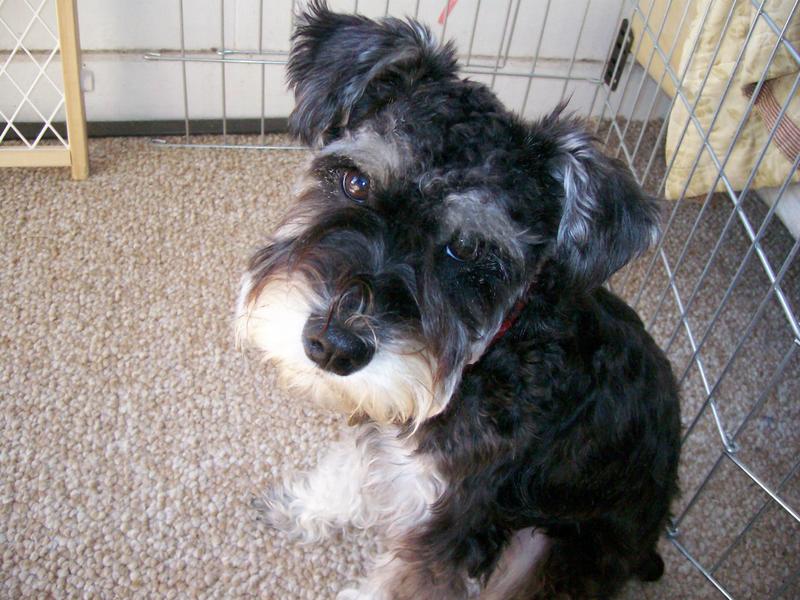
The Miniature Schnauzer is a sturdy German farm breed developed to control vermin and now widely kept as an alert, trainable companion. The American Kennel Club gives an adult height of 12–14 inches and weight of 11–20 pounds, with a typical life expectancy of 12–15 years. Small size makes the breed adaptable, but the wiry double coat, busy terrier mind, strong chase instinct and tendency to sound the alarm require daily attention. A good match wants an involved family dog and can provide exercise, grooming, training and preventive veterinary care for many years. The Poodle guide offers a useful comparison of trainability, exercise and continuously growing coat care across three sizes.
Temperament and household fit
Miniature Schnauzers are commonly bright, friendly and spirited. They were bred to notice movement and pursue small pests, so vigilance and quick reactions are normal breed traits. Many become devoted to their household and enjoy being included in ordinary routines. Individual behavior still depends on genetics, early experiences, health and training; no breed label guarantees that a dog will like every child, visitor or animal.
They can live successfully in apartments when toilet breaks, exercise and barking are managed. Shared walls make calm-settling and door-noise practice especially useful. Supervise interactions with children and teach children not to disturb a resting or eating dog. Introduce other dogs gradually. Cats may be compatible with careful introductions, but rabbits, rodents and other small pets need secure separation because an individual Schnauzer may retain strong prey drive.
Exercise and enrichment
A healthy adult needs regular daily exercise rather than occasional weekend outings. The AKC describes about an hour of activity as a useful general expectation, divided among walks, play and training, but the right amount varies with age, fitness, weather and health. Puppies need short, varied sessions with safe footing instead of forced distance running or repeated high jumps. Senior dogs often benefit from shorter walks, gentle strength work and more recovery time.
Use the breed’s nose and problem-solving ability. Food searches, scatter feeding, puzzle toys, hide-and-seek and short skill sessions can tire the mind without simply increasing physical intensity. Earthdog, barn hunt, rally, obedience and agility may suit healthy individuals when introduced safely. Outdoors, use a leash or secure fence: a squirrel or rat can override an unfinished recall. Include quiet sniffing and mat-settling so the dog learns that every interesting event does not require barking or chasing.
Training, socialization and barking
Reward-based training works well with a clever dog that can become bored by repetition. Practice name response, recall, loose-leash walking, leave-it, drop, cooperative handling and going to a bed. Keep sessions brief, change the task before enthusiasm fades and reward the choices you want repeated. Harsh corrections can create conflict or increase defensive reactions, while clear routines and well-timed rewards build reliability.
Socialization means safe, positive exposure with choice, not forced greetings. Let a puppy observe people, calm vaccinated dogs, traffic, grooming tools, household sounds and varied surfaces at a comfortable distance. For alert barking, reduce rehearsal with window film or barriers, acknowledge the alert, cue a practiced behavior and reward quiet. Do not expect silence from a watchdog breed, but persistent barking deserves a welfare review for boredom, fear, pain or separation distress. Build alone time gradually with short absences and a safe resting area.
Coat, beard, ears, teeth and nails
The breed has a harsh wiry outer coat over a soft undercoat and sheds relatively little. Low shedding does not mean no maintenance or no allergens. Brush and comb several times each week, working to the skin and checking the beard, eyebrows, armpits and leg furnishings for tangles. Food and water collect in the beard, so rinse or wipe it as needed and dry it well to reduce odor and skin irritation.
Show coats are hand-stripped to preserve harsh texture. Most companion dogs are clipped by a professional groomer every five to eight weeks, which softens the coat but is practical for many households. Discuss the preferred style before booking. Bathe with dog-safe products when dirty. Check ears weekly for redness, odor, discharge or pain; do not place cleaners into a painful ear without veterinary advice. Brush teeth daily with canine toothpaste and trim nails before length changes the dog’s stance or gait.
Feeding and weight management
Feed a complete and balanced diet appropriate to puppy, adult or senior life stage. Measure portions, count training treats and assess body condition rather than relying only on a package chart. You should be able to feel the ribs beneath a light covering and see a waist from above. Small dogs can gain a meaningful percentage of body weight from seemingly modest extras, so use pieces no larger than needed for training.
Miniature Schnauzers have recognized risks involving high blood lipids, pancreatitis and urinary stones. These do not justify a homemade low-fat or urinary diet without diagnosis; different problems require different nutrition. Avoid fatty table scraps and sudden diet changes, provide fresh water and ask a veterinarian about vomiting, abdominal pain, poor appetite, frequent urination, blood in urine or straining. Never add supplements or switch to a therapeutic diet on internet advice alone.
Health screening and veterinary care
The AKC parent-club recommendations list a cardiac examination and ophthalmologist evaluation for breeding dogs. Ask a breeder for publicly verifiable results on both parents and check the current American Miniature Schnauzer Club and Orthopedic Foundation for Animals guidance, because recommendations can change. A routine wellness check or consumer DNA panel is not a substitute for the specified examinations, and a CHIC number indicates that required results were published rather than guaranteeing that every result was normal.
Reported breed concerns include cataracts and other eye disease, hyperlipidemia, pancreatitis, portosystemic liver shunts, urinary stones and dental disease. Most dogs will not develop every listed condition, and symptoms need veterinary diagnosis. Arrange regular examinations, vaccination and parasite prevention based on local risk. Seek prompt care for eye cloudiness or pain, collapse, repeated vomiting, a tense abdomen, jaundice, seizures, difficulty urinating, blood in urine, unexplained weight change or loss of normal stamina.
Choosing a puppy or adult dog
A responsible breeder discusses both appealing and difficult traits, shows health-test records, raises puppies in a clean enriched environment and asks questions about your home. Puppies should remain with their mother and litter long enough for appropriate early development, receive veterinary care and leave with written records and a return agreement. Avoid sellers who will not show the living conditions, advertise rare color as more important than health, refuse independent verification or pressure immediate payment.
Rescue can be a strong option, especially when an adult’s energy, grooming tolerance and household behavior are already known. Ask about barking, separation, handling, children, dogs, cats and small animals. Before arrival, arrange a veterinarian, groomer and positive-reinforcement trainer; prepare secure identification, a well-fitted harness, barriers, chew items and a quiet bed. Keep the first days predictable and allow decompression instead of scheduling constant introductions.
Safety and long-term welfare
Use a leash near roads and a secure fence for free movement. Check gates and gaps carefully because a small determined ratter can squeeze through surprising spaces. Restrain the dog in vehicles with an appropriate crate or tested harness. Store medicines, xylitol, chocolate, grapes, raisins, nicotine products and other toxins securely. Never leave any dog in a parked vehicle, and adjust activity during heat, ice or poor air quality.
Good welfare includes sleep, predictable social contact, gentle grooming, opportunities to sniff and explore, and relief from constant arousal. A Miniature Schnauzer should not spend the day isolated simply because the breed is small. Budget for regular grooming and unexpected medical care, and plan how exercise will continue as the dog and household age. With thoughtful care, the breed’s humor, alertness and willingness to participate can make it a lively long-term companion.
Frequently asked questions
Are Miniature Schnauzers good family dogs?
Many are affectionate, trainable family companions, but children need supervision and every dog needs early socialization, respectful handling and a safe place to rest.
How much exercise does a Miniature Schnauzer need?
A healthy adult often does well with about an hour of daily activity divided among walks, play and training, adjusted for age, fitness, weather and veterinary advice.
Do Miniature Schnauzers shed?
They shed relatively little, but the double coat still needs frequent brushing and regular clipping or hand-stripping. No dog breed is completely allergen-free.
How often does a Miniature Schnauzer need grooming?
Comb and brush several times weekly and clean the beard as needed. Many companion dogs visit a professional groomer every five to eight weeks.
What health tests should a Miniature Schnauzer breeder show?
Ask for publicly verifiable cardiac and ophthalmologist results for both parents and check the current parent-club and OFA recommendations for any additional tests.
Sources and image credit
- American Kennel Club Miniature Schnauzer breed information
- AKC official Miniature Schnauzer standard
- American Miniature Schnauzer Club health information
- American Miniature Schnauzer Club code of ethics
- Orthopedic Foundation for Animals CHIC program
Featured image: Kiyo, a Miniature Schnauzer puppy, photograph by Not sponsored via Wikimedia Commons, released into the public domain.
