
Siberian Husky
Siberian Husky care guide covering exercise, training, secure containment, feeding, coat care, health screening, and family compatibility.
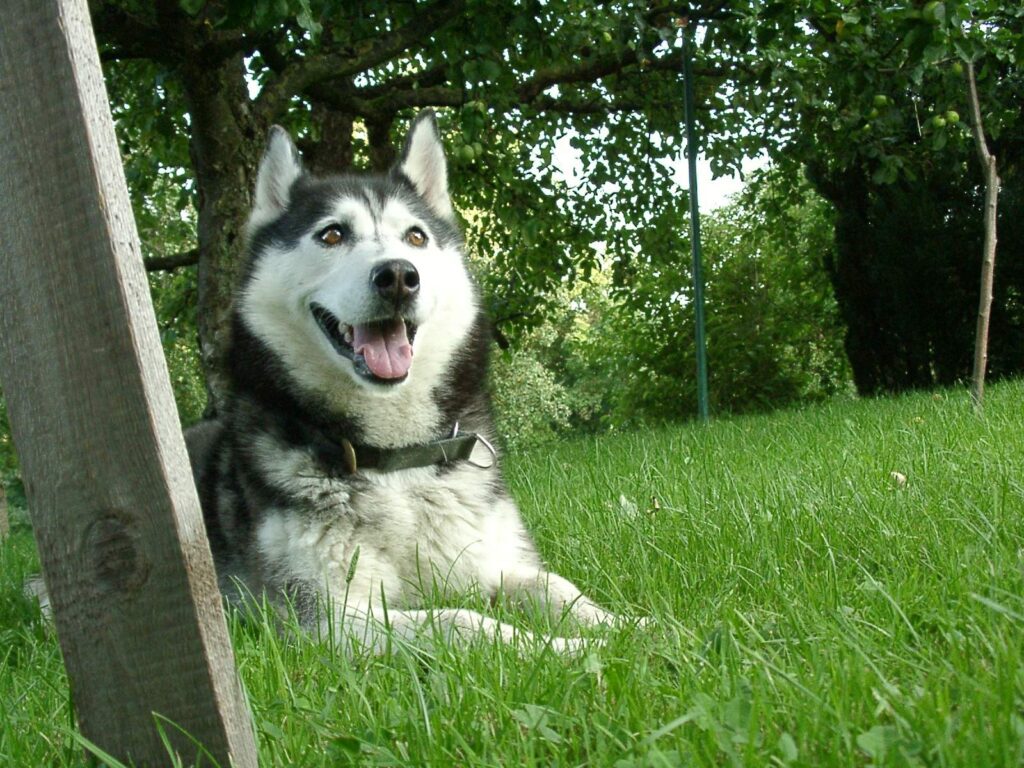
The Siberian Husky is a medium-sized northern working dog developed to pull light loads over long distances. Its athletic build, thick double coat, social nature, and strong desire to run can be rewarding in an active home, but secure containment, daily exercise, patient training, and heavy-shedding coat care are essential.
Is a Siberian Husky right for you?
A Siberian Husky can suit an active household that enjoys structured outdoor activity and can provide secure fencing, companionship, and mental work every day. These dogs were selected to cooperate in teams, so many are social with people and other dogs. Individual temperament still varies, and friendliness does not remove the need for early social development or polite greeting skills.
The breed is a demanding match for people who expect reliable off-leash freedom, a quiet household, or a low-maintenance coat. Huskies may dig, climb, squeeze through gaps, open weak latches, chase wildlife, or run far if given the opportunity. They can also howl and become destructive when under-exercised or left alone too long.
Size, lifespan, coat, and appearance
| Trait | Typical Siberian Husky |
|---|---|
| Height | Females about 20–22 inches; males about 21–23.5 inches at the shoulder |
| Weight | Females about 35–50 lb; males about 45–60 lb |
| Life expectancy | Commonly 12–14 years, with individual variation |
| Coat | Medium-length double coat with a dense insulating undercoat |
| Build | Balanced, compact working dog with erect ears and an efficient gait |
Coats occur in multiple colors and markings. Eyes may be brown or blue, one of each, or partly colored. Eye color and coat pattern do not predict personality. A healthy Siberian should move freely, breathe comfortably, and remain lean enough for the ribs to be felt beneath a light covering.
Temperament and family compatibility
Many Siberian Huskies are outgoing, curious, playful, and affectionate without being constant lap dogs. Their history as pack-working dogs often makes them sociable, but it does not guarantee harmony with every dog. Calm introductions, separate feeding, and supervision around valued items help prevent conflict.
They may live successfully with considerate children when adults supervise all interaction. Teach children not to climb on, hug tightly, chase, or disturb a sleeping or eating dog. Give the dog a quiet retreat. High energy can lead to accidental knocks, especially around toddlers.
Strong prey drive is common. Cats and small pets require careful assessment, protected housing, and controlled introductions; some Huskies are never safe with small animals. Do not treat a friendly history with one household cat as proof that the dog will ignore unfamiliar cats, rabbits, or wildlife.
Exercise, enrichment, and weather safety
Healthy adults need substantial daily activity. Brisk walks, hiking, canicross, carefully taught pulling sports, scent games, and reward-based training can share the workload. Exercise needs vary, but a brief yard visit rarely meets them. Puppies should have shorter, self-paced sessions and should not be forced into repetitive distance running while growing.
Mental work matters as much as mileage. Rotate food puzzles, tracking games, safe chew items, digging areas, and short skill sessions. A securely fenced yard can help, but inspect the base, gates, and nearby objects that could become climbing aids. Outdoor time should be supervised.
The double coat insulates in cold conditions but does not make a Husky immune to heat illness. In warm or humid weather, exercise during cooler hours, choose shade, offer water, and stop for excessive panting, weakness, disorientation, vomiting, or collapse. Never leave any dog in a parked vehicle.
Training, recall, and time alone
Use short, varied sessions with food, toys, movement, and access to safe activities as rewards. Teach name response, loose-leash walking, settling, leave-it, cooperative handling, and emergency recall. Consistency and preventing rehearsal of unwanted behavior work better than intimidation or physical punishment.
Even a well-trained Siberian may choose running or wildlife over recall. Use a leash or long line in open areas and reserve off-leash exercise for secure enclosed spaces. Check harness fit carefully because flexible dogs can back out of loose equipment. Identification tags and an up-to-date microchip provide an additional safeguard.
Build alone time gradually while the dog remains relaxed. Howling, escape attempts, destruction near exits, drooling, or self-injury can indicate separation-related distress. A veterinarian and qualified behavior professional can help; simply waiting for panic to stop may make the problem worse.
Feeding and healthy weight
Feed a complete and balanced diet appropriate for life stage, body condition, health, and workload. Measure meals and count training treats in the daily total. Sled sport or endurance work can change energy needs dramatically, so working dogs need an individualized feeding plan rather than casually enlarged portions.
Ribs should be easy to feel and a waist visible from above. Extra weight increases joint strain and heat burden. Ask a veterinarian to set calorie targets for puppies, neutered adults, seniors, or dogs starting a conditioning program. Fresh water must always be available.
Secure chocolate, xylitol, grapes, raisins, medicines, compost, and rubbish. Sudden abdominal swelling, repeated unproductive retching, weakness, collapse, suspected poisoning, or inability to keep water down requires urgent veterinary advice.
Coat, nails, ears, and dental care
Brush through the coat at least weekly and more often when the undercoat sheds heavily, often called “blowing coat.” A pin brush, slicker, and suitable comb can remove loose hair without damaging the skin. Never shave the coat merely to reduce shedding; clipping can disrupt coat function and does not prevent heat illness.
Bathing is needed when dirty, followed by thorough rinsing and drying. Mats, persistent odor, sores, redness, or hair loss deserve attention. Check ears for discharge or odor, trim nails before they alter gait, and inspect paw pads after rough ground, snow, ice, or salted surfaces.
Brush teeth daily with dog toothpaste when possible and arrange professional dental assessment as advised. Bad breath, bleeding gums, loose teeth, facial swelling, or reluctance to eat can signal painful disease.
Health screening and veterinary care
Responsible Siberian Husky breeding programs document hip and current eye examinations and follow breed-club guidance for relevant inherited conditions. The Siberian Husky Club of America also recommends genetic testing for Siberian Husky Shaking Puppy Syndrome Type 1 in breeding dogs. Screening reduces risk but cannot guarantee lifelong health.
Eye conditions, hip dysplasia, skin problems, and endocrine disease can occur. Squinting, redness, cloudiness, sudden vision change, persistent lameness, unusual thirst, coat loss, or unexplained weight change should prompt veterinary assessment. Blue eyes are normal in the breed and are not by themselves evidence of poor vision.
Routine examinations, vaccination based on exposure, parasite prevention, dental care, and prompt treatment of injuries remain essential. Seek emergency care for breathing difficulty, heat illness, seizures, collapse, severe trauma, or a rapidly painful eye.
Reproduction, neutering, and responsible ownership
Breeding requires mature dogs with stable behavior, verified breed-relevant health results, sound structure, and pedigrees reviewed for inherited risk. Breeders must be prepared for pregnancy and birth emergencies, puppy social development, careful placements, and lifelong return support. Popular color, blue eyes, or novelty marketing is never a substitute for health and welfare.
Discuss the timing of spaying or neutering with a veterinarian using the individual dog’s health, behavior, and pregnancy-prevention needs. Until then, securely separate intact males and females whenever mating is possible. Follow local licensing, leash, housing, and breeding laws.
Choosing a puppy or rescue Siberian Husky
A responsible breeder should show verifiable health results, explain adult activity and containment needs, discuss the temperaments of close relatives, and use a contract with lifetime return support. Avoid sellers promising rare “wolf” traits, guaranteed blue eyes, unusual size, or instant shipping without questions about the home.
Siberian Huskies commonly enter shelters and breed rescues when owners underestimate exercise, shedding, vocal behavior, or escape risk. Ask about prey drive, fence behavior, other dogs, house habits, grooming tolerance, time alone, and medical history. An adult dog’s established traits may make matching easier.
Common questions
Are Siberian Huskies good family dogs?
Many are social family companions, but they need daily activity, secure containment, training, and supervised interaction with children.
How much exercise does a Siberian Husky need?
Healthy adults generally need substantial daily physical and mental activity, adjusted for age, health, conditioning, and weather.
Can Siberian Huskies be trusted off leash?
Many have a powerful urge to run and chase, so a leash, long line, or securely enclosed area is the safer choice even with recall training.
Do Siberian Huskies shed a lot?
Yes. They shed year-round and can release large amounts of undercoat seasonally, requiring frequent brushing and household cleaning.
Can Siberian Huskies live in hot climates?
Some can with indoor cooling, careful scheduling, water, shade, and reduced exertion, but owners must actively prevent heat stress.
For a different high-energy working breed, compare the German Shepherd guide, especially recall, training style, and household fit.
Sources and image credit
- American Kennel Club: Siberian Husky breed profile
- American Kennel Club: official Siberian Husky standard
- Siberian Husky Club of America: health statement
- Featured photograph by Wolfgang Hägele via Wikimedia Commons, licensed under CC BY-SA 3.0. Image may be cropped for presentation.
