
German Shepherd
German Shepherd care guide covering temperament, exercise, training, feeding, grooming, health screening, safety, and family compatibility.
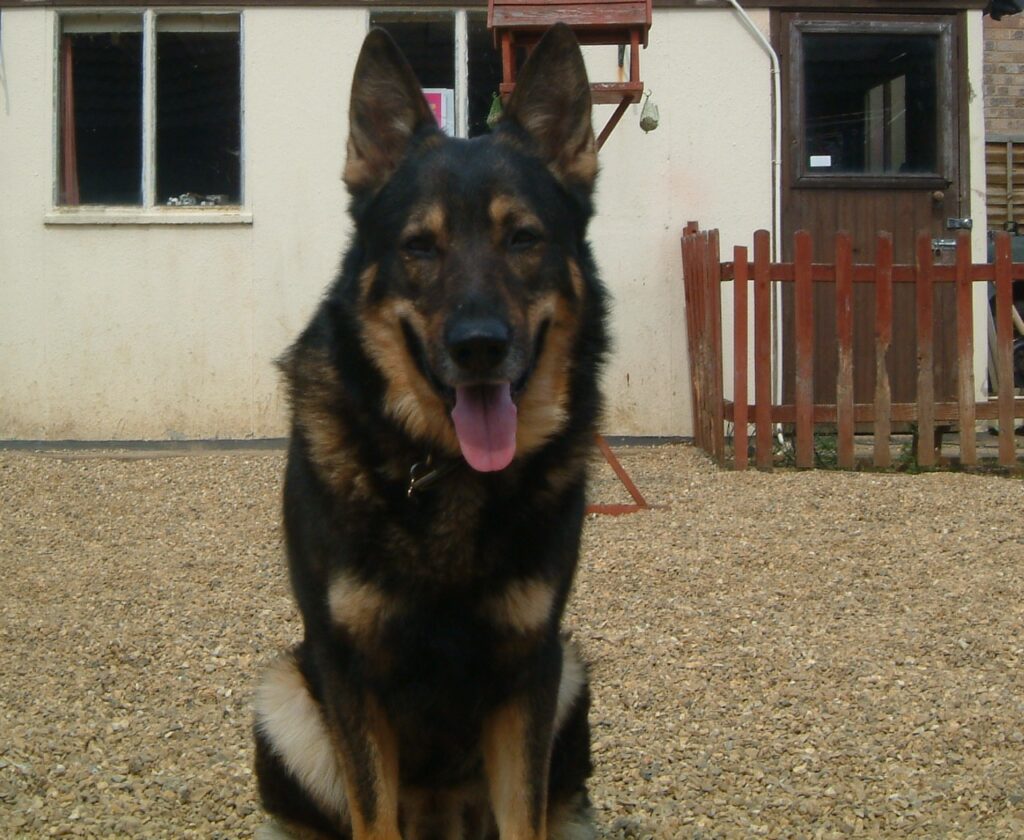
The German Shepherd, formally called the German Shepherd Dog, is a large herding breed developed in Germany for intelligence, stamina, responsiveness, and versatile work. Modern German Shepherds serve as companions and in roles such as assistance, search and rescue, detection, herding, and dog sports. Their loyalty and trainability are appealing, but they need careful social development, daily mental and physical activity, skilled handling, and responsible health screening.
Is a German Shepherd right for you?
A German Shepherd may suit an experienced or well-supported owner who enjoys structured training and wants a dog closely involved in daily life. Many learn quickly, notice changes in their environment, and form strong bonds with their household. Those qualities can become difficult without direction: an under-stimulated dog may bark, pace, chase, guard spaces, or react strongly to unfamiliar people and dogs.
This is a strong, athletic breed that needs more than access to a garden. Owners should plan for daily exercise, reward-based training, secure fencing, safe transport, grooming, veterinary care, and management around visitors. A German Shepherd is a poor choice when the goal is an automatically protective dog requiring little socialization. Deliberately encouraging suspicion or aggression creates serious welfare and safety risks.
Size, lifespan, coat, and appearance
| Trait | Typical German Shepherd |
|---|---|
| Adult weight | Females about 50–70 lb (23–32 kg); males about 65–90 lb (29–41 kg) |
| Adult height | Females about 22–24 in; males about 24–26 in at the shoulder |
| Life expectancy | Approximately 12–14 years, with substantial individual variation |
| Coat | Medium-length double coat; longer coats also occur |
| Activity | High, with a strong need for mental work |
The breed should be strong, agile, and balanced, with erect ears in adulthood and a long, efficient stride. Coat colors and patterns vary. Color does not establish a separate breed or guarantee working ability, temperament, or health. Exaggerated structure that impairs normal movement should never be treated as desirable simply because a dog has pedigree papers.
Temperament and family compatibility
The breed standard describes a self-confident dog that may be reserved without being hostile. A well-adjusted German Shepherd should be able to recover from ordinary surprises and respond to its handler. Individual behavior still depends on genetics, early experience, training, health, and environment. No breed label guarantees that a dog will be calm with children, visitors, or other animals.
Many German Shepherds live successfully with respectful children when adults supervise and provide the dog with a quiet retreat. Their size and herding tendencies can overwhelm small children, so teach calm greetings and interrupt chasing. Introductions to cats and other dogs should be gradual and controlled. Watch for stiff posture, staring, avoidance, guarding, or escalating arousal, and seek qualified help early rather than waiting for a bite.
Exercise and mental enrichment
Healthy adults usually need substantial daily activity. Combine brisk walks and safe running with sniffing, tracking games, retrieve or tug play, obedience skills, and problem-solving. Activities should build cooperation and self-control rather than keeping the dog in constant high arousal. A dog can become physically fitter while remaining unable to settle if exercise is only intense chasing.
Puppies need short, varied outings, free movement on safe surfaces, and plenty of sleep. Forced distance running, repeated jumping, and slippery floors are unsuitable while the skeleton develops. Older dogs or those with joint, spinal, or heart disease need a veterinary-guided plan. In warm weather, exercise during cooler hours and stop for heavy panting, weakness, confusion, or poor coordination.
Useful home enrichment includes scatter feeding, scent searches, food puzzles, chewing outlets, and short training sessions. Rotate activities and schedule quiet rest. Protection training should never be improvised at home; where it is lawful and appropriate, it requires an ethical, experienced professional and a temperamentally suitable dog.
Training and social development
Begin reward-based training as soon as the puppy arrives. Prioritize recall, loose-lead walking, leaving objects, settling on a mat, comfortable handling, calm greetings, and moving away from distractions. German Shepherds often notice their surroundings intensely, so reward the dog for checking in with the handler before barking or lunging becomes rehearsed.
Socialization should create positive, manageable experiences with different people, surfaces, sounds, vehicles, veterinary handling, and calm dogs. It does not mean forcing contact. Let the puppy observe from a comfortable distance and leave when worried. Harsh corrections can increase fear and suppress warning signals without changing the underlying emotion.
A well-run puppy class and later life-skills training can help. Choose a trainer who uses rewards, avoids intimidation, and understands large working breeds. Sudden behavior change deserves a veterinary examination because pain and illness can affect tolerance and reactivity.
Feeding and healthy weight
Feed a complete and balanced diet appropriate for the dog’s life stage. A large-breed puppy food helps support controlled growth and appropriate mineral balance. Extra calcium and unbalanced homemade recipes can cause harm unless a veterinary nutritionist formulates them. Divide the daily ration into measured meals and include training treats in the calorie total.
You should be able to feel the ribs beneath a light covering and see a waist from above. Lean body condition reduces avoidable stress on hips, elbows, and spine. Ask a veterinarian to assess growth and body condition rather than trying to make a puppy grow quickly. For dogs that gulp food, use a slow feeder and avoid intense exercise immediately around meals. Know the signs of gastric dilatation-volvulus, including a swollen abdomen, repeated unproductive retching, distress, and collapse; this is an emergency.
Grooming and routine care
The double coat sheds throughout the year and often heavily during seasonal coat changes. Brush at least once or twice weekly and more often when undercoat is releasing. Longer-coated dogs need extra attention behind the ears, under the legs, and around the tail. Shaving a healthy coat is generally unnecessary and does not stop shedding.
Trim nails before they alter movement, brush teeth with dog-safe toothpaste, and inspect ears and skin. Persistent itching, odor, redness, hair loss, or repeated ear problems require veterinary assessment. Use parasite prevention suited to local conditions, and check paws and coat after outdoor work for cuts, grass seeds, ticks, and other debris.
Health screening and veterinary care
German Shepherds can develop hip and elbow dysplasia, degenerative myelopathy, digestive and skin disorders, eye disease, cardiac or thyroid problems, epilepsy, and other inherited or acquired conditions. Degenerative myelopathy DNA testing estimates genetic risk for one variant; it does not diagnose a dog or prove that a carrier will become ill.
The German Shepherd Dog Club of America’s Health Award of Merit includes hip, elbow, cardiac, thyroid, and temperament assessments. Ask a breeder for verifiable public results for both parents rather than accepting “vet checked” or screenshots without identifying details. Screening reduces avoidable risk but cannot guarantee perfect health.
Routine examinations, vaccination based on veterinary advice, dental care, parasite control, and weight management remain essential. Seek prompt assessment for persistent lameness, difficulty rising, dragging nails, weakness, repeated diarrhea, poor weight gain, skin disease, or behavior change. Collapse, severe abdominal swelling, breathing difficulty, inability to stand, and suspected poisoning require emergency care.
Reproduction, neutering, and responsible ownership
Breeding should be considered only for mature dogs with stable temperament, documented breed-relevant health results, sound structure, and a plan for every puppy. Pregnancy and birth can require emergency veterinary care, and raising a litter involves intensive socialization, hygiene, records, and lifetime responsibility. Breeding a beloved pet does not preserve its personality in the puppies.
Discuss spaying or neutering with a veterinarian using the individual dog’s sex, age, development, medical history, household management, and risk of accidental breeding. There is no single timing rule appropriate to every German Shepherd. Until a decision is made, securely separate intact males and females during fertile periods.
Check local rules for licensing, microchipping, leash use, housing, insurance, and breed-specific restrictions before acquiring the dog or moving. Identification records should stay current. Secure fencing and a lead protect the dog, wildlife, visitors, and other animals; protective reputation is never a reason to allow uncontrolled roaming.
Choosing a puppy or rescue German Shepherd
A responsible breeder should discuss temperament, working goals, socialization, pedigree, and health screening; show how puppies are raised; provide records; and remain available after purchase. Avoid sellers who promote aggression, extreme size or shape, rare colors, immediate shipping, or guaranteed protection. Meeting at a car park and refusing to show the home environment are warning signs.
German Shepherds and mixes also enter breed rescues and shelters. Ask about observed behavior around strangers, children, dogs, food, handling, and time alone. An adult may have useful household skills, but every rescue needs a gradual transition, secure management, veterinary review, and time to decompress.
Common questions
Are German Shepherds good family dogs?
Many can be devoted family companions, but success depends on individual temperament, early social development, training, supervision, and the household’s ability to meet substantial exercise and care needs.
How much exercise does a German Shepherd need?
Healthy adults generally need significant daily physical activity plus training and scent-based mental work. Age, weather, fitness, and medical conditions should determine the exact amount.
Do German Shepherds shed a lot?
Yes. The double coat sheds year-round and usually much more heavily during seasonal coat changes. Frequent brushing manages loose hair but does not eliminate shedding.
Can German Shepherds live with cats?
Some do successfully after careful introductions and management. Individual prey drive and history matter, so cats need safe escape routes and interactions should never be forced.
Are German Shepherds suitable for first-time owners?
A committed first-time owner can succeed with good breeder or rescue support and qualified training help, but the breed’s strength, alertness, and workload make it less forgiving of inconsistent management.
For other demanding working companions, compare the Border Collie for herding intensity and the Siberian Husky for endurance, roaming, and recall considerations.
Sources and image credit
- American Kennel Club: German Shepherd Dog breed information and standard
- German Shepherd Dog Club of America: health and genetics
- Orthopedic Foundation for Animals CHIC: German Shepherd Dog screening requirements
- Featured photograph by Lewis Collard via Wikimedia Commons, released into the public domain. Image may be cropped for presentation.
