
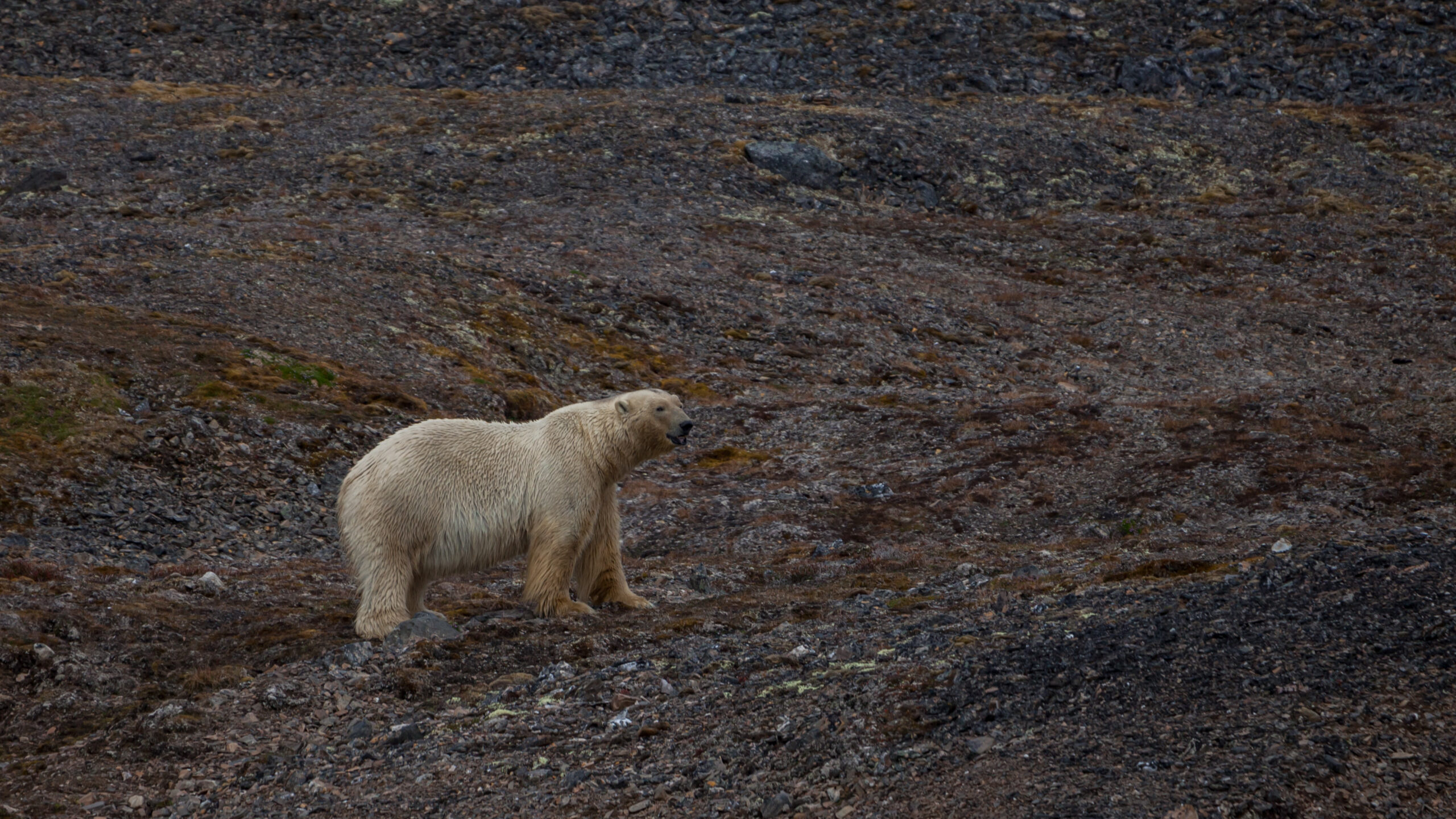
Polar Bear (Ursus maritimus) is an arctic marine bear that depends on sea ice to hunt energy-rich seals. This evidence-based guide covers identification, range, habitat, diet, behaviour, reproduction and conservation without repeating the FAQ block shown elsewhere on the page.
Taxonomy and identification
Polar Bear (Ursus maritimus) is an arctic marine bear that depends on sea ice to hunt energy-rich seals. The polar bear is a bear in family Ursidae, closely related to the brown bear but specialized for life on Arctic sea ice. This distinction matters because names and appearances can hide important biological relationships. A reliable profile begins with the animal’s actual taxonomic scope rather than treating every familiar label as a separate species.
Key field marks include huge long-necked bear with small ears, broad furred paws, short tail, black skin and translucent guard hairs that appear white or cream. Adult males are substantially larger and heavier than females. Together, these traits are more useful for identification than colour alone, because age, season, light and geographic variation can all change how an individual looks.
Size and insulation
Typical measurements are Females about 1.8–2.0 m; males up to about 2.5 m (Females about 5.9–6.6 ft; males up to about 8.2 ft), with a weight of Females commonly 150–300 kg; males 300–800 kg (Females 330–660 lb; males 660–1,760 lb). Body size varies with sex, age, season, food and location, so these figures describe a practical range rather than a limit that every individual must fit.
Its physical design reflects the demands of its way of life. Important adaptations include broad paws paddle and spread weight on ice, thick fat and fur conserve heat, black skin absorbs solar energy, acute smell detects seals and dens. Each reduces the cost of moving, feeding or surviving in the conditions this animal regularly experiences.
Circumpolar range
Circumpolar Arctic across Canada, Alaska, Greenland, Svalbard and Russia, divided into nineteen recognized management subpopulations. Recorded native locations include Canada, United States, Greenland, Norway, Russia. Distribution maps show broad presence, but they should not be read as proof that the animal occupies every place inside a shaded country or region.
Local occurrence depends on usable habitat, prey or food, shelter, breeding sites and safe connections between them. Populations may therefore be common in one valley, island or watershed and absent from apparently similar areas nearby.
Sea-ice habitat
Sea ice over productive continental shelf waters, coastal areas and islands; pregnant females use snow or earth maternity dens. Habitat quality depends on structure as well as climate: animals need places to feed, hide, rest and reproduce, and those features may change over short distances.
Seasonal conditions alter how the habitat is used. Food peaks, snow or ice, drought, flooding and human disturbance can shift daily movements. Protecting a species consequently requires more than preserving a point on a map; the working ecological system around it must remain intact.
Seal diet and hunting
Polar Bear is a marine carnivore. Important foods include ringed seals, bearded seals, carrion, birds and eggs when available. Availability changes through the year, and individuals adjust where and how long they forage rather than following one fixed menu.
Feeding also connects this animal to the wider ecosystem. By consuming, moving or storing food and by becoming prey itself, it transfers energy through its community. Diet evidence should come from field observations and analysed remains, not from dramatic isolated records.
Swimming and seasonal movement
Activity is described as active throughout day and night depending on season and prey. Typical behaviour includes waits beside seal breathing holes, swims long distances between ice, cleans fur after feeding. These actions help individuals find resources, warn others, maintain space or reduce exposure to predators.
Mostly solitary except mothers with cubs and temporary feeding gatherings Communication may involve posture, scent, touch and calls. What appears simple from a distance often carries precise information about identity, alarm, breeding condition or ownership of a site.
Sensory and cold adaptations
Maternity den excavated in deep snow or suitable earth provides shelter from weather and enemies. The location and structure of that refuge can be as important as food, especially when young are immobile or when adults must conserve energy.
Repeated use of paths, dens, nests or colony sites makes them vulnerable to disturbance. Observers should keep their distance, avoid blocking access and never handle young or alter a shelter to obtain a photograph.
Maternity dens and cubs
Breeding occurs mating in spring; cubs born in winter dens. Usually 1–2 cubs are produced after about 7–9 months including delayed implantation. Young depend on parental protection and food while their movement, insulation and foraging skills develop.
Sexual maturity is reached females commonly first reproduce around 4–6 years. Reproductive success depends on adult condition and local resources, so a population can contain visible adults yet decline when too few young survive to replace them.
Ecological role and conflict
Natural pressures include predation, severe weather, competition and variable food. Known predators or major sources of mortality include Humans, Other Polar Bears. Avoidance, camouflage, shelter and vigilance reduce risk but cannot remove it.
Human activity can add faster pressures. Roads, pollution, disturbance, habitat conversion and altered food webs may act together, which is why local monitoring often reveals problems that a broad global category cannot show.
Climate change and conservation
Vulnerable because continued climate warming is reducing the sea-ice habitat needed for hunting and movement. The reported population trend is Decreasing. Major concerns include loss of sea ice from climate warming, pollution and contaminants, shipping and industrial disturbance, human-bear conflict. Conservation decisions should use the species’ current assessment and local evidence.
Effective protection retains habitat connections, breeding and resting sites, and dependable food. It also reduces preventable mortality and measures results over time. Responsible wildlife viewing supports that work when people keep distance, follow local rules and avoid feeding wild animals.
Polar Bears are the most marine-dependent living bears. Compare that specialization with the insect-eating Sloth Bear and tropical forest Sun Bear.