
British Shorthair
British Shorthair care guide covering size, temperament, feeding, grooming, enrichment, health screening, safe handling, and family compatibility.
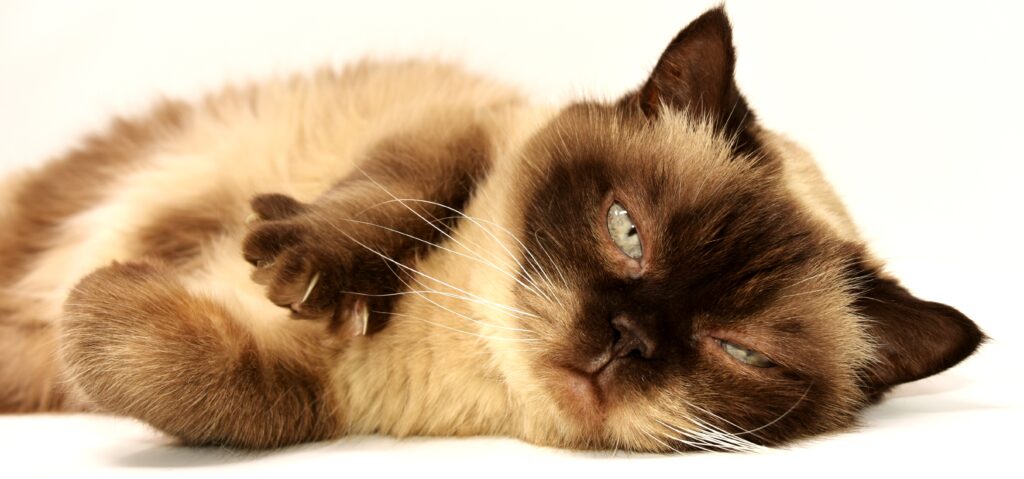
The British Shorthair is a medium-to-large pedigree cat with a powerful rounded build, dense plush coat, and generally calm manner. Blue-grey is its best-known color, but registries recognize many colors and patterns. The breed often enjoys quiet companionship without constant handling, so its teddy-bear appearance should not be mistaken for an invitation to carry or cuddle every individual.
Is a British Shorthair right for you?
This breed may suit a household seeking an observant, fairly quiet companion. Many British Shorthairs stay close to their people while preferring the sofa beside them to a lap. They can entertain themselves for reasonable periods, but still need daily interaction, play, scratching, climbing, and veterinary care. Calm behavior does not mean a cat can be left without enrichment.
Adults are substantial and need sturdy furniture, a large litter box, and a carrier rated for their weight. They mature slowly, often taking three to five years to develop fully. Food portions require attention because a broad body and dense coat can hide gradual weight gain.
Size, lifespan, and appearance
| Trait | Typical British Shorthair |
|---|---|
| Adult weight | Females commonly 8–11 lb; males commonly 10–16 lb, with individual variation |
| Maturity | Full physical development may take three to five years |
| Life expectancy | Often 12–20 years, depending on background and life circumstances |
| Coat | Short, exceptionally dense, plush, and resilient |
| Build | Compact and powerful with a broad chest, round head, and thick tail |
British Shorthairs come in far more than blue. Solid, tabby, bicolor, shaded, and other registered patterns occur. Eye color relates partly to coat pattern. A round-faced blue cat is not automatically a British Shorthair; pedigree documentation establishes breed identity. Features should remain balanced and should not interfere with breathing, vision, movement, or dental alignment.
Temperament and family compatibility
Breed organizations describe the British Shorthair as calm, affectionate, and somewhat reserved. Many live successfully with considerate children, cat-friendly dogs, or other cats after slow introductions. Personality varies, and the actual cat’s history and behavior matter more than a breed stereotype.
Teach children to keep the cat’s feet supported, stop when the cat turns away, and leave sleeping or eating animals alone. Provide high resting places and a quiet retreat. Introduce pets using scent exchange, separate resources, barriers, and brief supervised meetings. Hiding, fixed staring, blocking access, growling, or appetite changes mean the process should slow down.
Exercise and indoor enrichment
British Shorthairs are usually moderately active, but they still need several short play sessions each day. Wand toys, rolling toys, tunnels, food puzzles, scent searches, and reward-based trick training provide physical and mental work. Kittens may be energetic, while mature adults often prefer shorter sessions.
Choose broad, stable cat trees and shelves with safe landing space. Add horizontal and vertical scratchers in social and sleeping areas. Rotate toys while keeping string and feather toys stored after supervised play. Secure windows, balconies, lilies, medication, cleaners, thread, and small objects that can be swallowed.
A catio or enclosed garden gives controlled outdoor stimulation. Harness training should progress indoors with rewards before short outdoor sessions. Free roaming exposes cats to vehicles, fights, parasites, toxins, theft, and wildlife conflict. Keep microchip registration and identification current even for indoor cats.
Feeding and healthy weight
Feed a complete and balanced cat food appropriate for the cat’s life stage and health. Measure portions and track treats. The breed’s heavy build should not be used to excuse excess body fat. You should be able to feel the ribs through a light covering and see a waist from above, although the dense coat can make visual assessment difficult.
Weigh the cat regularly and ask a veterinarian to set an individual target. Neutering, reduced activity, pain, and aging can change energy needs. Rapid weight loss in cats is unsafe and may cause serious illness, so any reduction plan should be gradual and professionally guided.
Fresh water should always be available. Some cats prefer wide bowls or fountains placed away from food and litter. Wet food can contribute dietary moisture, but the appropriate diet depends on health and preference. Homemade diets require formulation by a qualified veterinary nutritionist.
Grooming, teeth, nails, and litter care
Comb or brush the dense coat weekly and more often during seasonal shedding. Work gently to the skin without scratching it. Grooming is also a chance to check for tangles, parasites, soreness, or lumps. Sudden poor coat condition or reduced self-grooming can indicate pain, dental disease, obesity, or illness.
Trim nails as needed and provide sturdy scratchers. Brush teeth with cat toothpaste and arrange dental assessment when advised. Bad breath, drooling, bleeding gums, dropping food, or chewing on one side needs veterinary attention.
Provide one roomy litter box per cat plus one extra in separate quiet locations. Scoop daily. A large British Shorthair must be able to turn easily without touching the sides. Urination outside the box, straining, frequent visits, or vocalizing can signal urinary disease and should not be treated as misbehavior.
Training and respectful handling
Reward-based training can teach carrier entry, recall, stationing, nail care, and cooperative examination. Leave a strong carrier open with bedding and occasional treats. Short sessions and small rewards keep learning positive without adding excessive calories.
Many British Shorthairs prefer all four feet on a stable surface. When lifting is necessary, support the chest and hindquarters and put the cat down before struggling begins. Never restrain a cat for photographs or pass it between people because the breed looks cuddly. Watch ears, tail, posture, pupils, and attempts to move away.
Health screening and veterinary care
No breed is free of inherited or acquired disease. British Shorthair breeding programs should discuss family history and documented screening relevant to their lines, including heart assessment for hypertrophic cardiomyopathy and kidney evaluation where indicated. A single DNA result cannot replace a physical examination or cardiac imaging when a veterinarian recommends it.
Ask for named, verifiable results for both parents and avoid guarantees of perfect health. Routine care includes examinations, dental care, vaccination based on exposure, parasite prevention, and maintenance of a lean body condition. Report changes in thirst, urination, appetite, breathing, grooming, jumping, or behavior promptly.
Seek urgent care for open-mouth or difficult breathing, collapse, sudden hind-leg weakness, seizures, inability to urinate, repeated unproductive retching, or suspected poisoning. Cats often conceal discomfort, so subtle withdrawal or reduced movement matters.
Reproduction, neutering, and responsible ownership
Breeding requires mature pedigree cats with appropriate health assessment, stable temperament, compatible pedigrees, and resources for pregnancy, birth, neonatal care, emergencies, and lifelong placement support. Coat color or popularity alone is not a responsible reason to breed.
Discuss spaying or neutering with a veterinarian using the cat’s health and pregnancy-prevention needs. Intact cats may call, spray, roam, fight, or attempt escape, and accidental mating can happen quickly. Keep intact males and females securely separated whenever pregnancy is possible.
Owners should check local rules for licensing, identification, breeding, and housing. Declawing removes part of each toe and should not be used as a routine answer to scratching. Suitable scratchers, nail care, environmental design, and reward-based training address normal scratching more humanely.
Choosing a kitten or rescue cat
A responsible breeder should explain temperament, pedigree, health history, social development, vaccination, contract terms, and their return policy. Buyers should be able to see where kittens are raised and meet appropriate relatives. Avoid sellers who promise a permanently tiny cat, a guaranteed lap cat, an allergy-free coat, or instant shipping without screening the home.
British Shorthairs and similar-looking cats may also enter shelters or breed rescues. Ask what is known about pedigree rather than relying on appearance. For a good match, observed health, handling tolerance, activity, and household compatibility matter more than color.
Common questions
Are British Shorthair cats affectionate?
Many enjoy staying near their people and accepting gentle attention, although they often prefer sitting beside someone rather than being carried or held for long periods.
How big do British Shorthair cats get?
Females commonly weigh about 8–11 pounds and males 10–16 pounds. Healthy size depends on frame and body condition rather than reaching a target number.
Do British Shorthairs need much grooming?
Their short coat usually needs weekly brushing, with extra grooming during heavier seasonal shedding.
Are all British Shorthairs blue?
No. Blue is famous, but registries recognize many solid colors, tabbies, bicolors, shaded coats, and other patterns.
Can British Shorthairs live indoors?
Yes. A secure indoor home with daily play, climbing, scratching, social contact, and optional enclosed outdoor access can meet their needs.
For other reserved companion cats, compare the Russian Blue guide for a lighter athletic build and the Persian guide for much greater coat and facial care.
Sources and image credit
- The International Cat Association: British Shorthair breed profile
- Cat Fanciers’ Association: British Shorthair information and standard
- Cornell Feline Health Center: feline health information
- Featured photograph by Alexas_Fotos via Wikimedia Commons, dedicated to the public domain under CC0 1.0. Image may be cropped for presentation.
