
Border Collie
Border Collie care guide covering temperament, exercise, enrichment, training, grooming, health screening, herding behavior, and family compatibility.
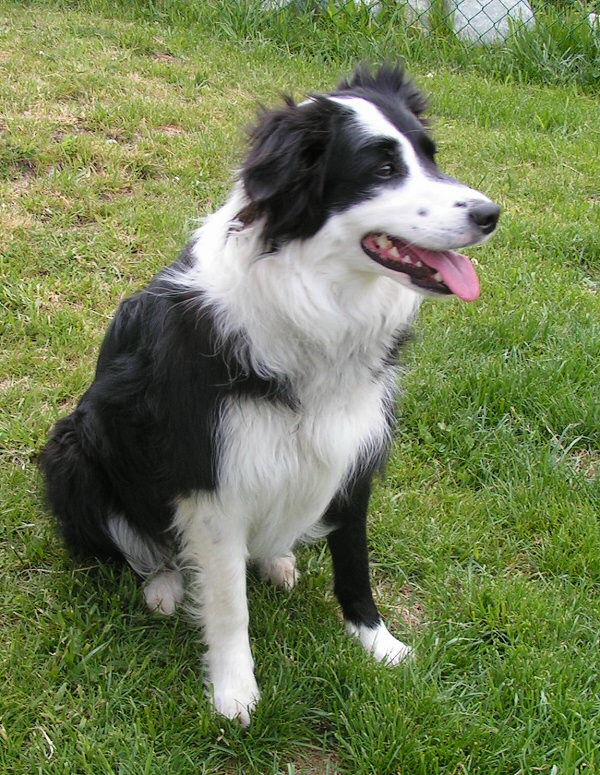
The Border Collie is an athletic herding breed developed for intense, responsive work with livestock. Its quick learning, sensitivity to movement, and stamina can be rewarding in the right home, but intelligence does not make the breed effortless. A Border Collie needs structured activity, calm skills, social connection, and careful management of chasing and herding behavior. Households comparing focused herding breeds can also review the Australian Shepherd guide, especially its exercise, settling and movement-control needs.
Is a Border Collie right for you?
This breed often suits active, experienced households that enjoy daily training, hiking, nose work, herding, agility, obedience, or other shared activities. A yard alone does not meet its needs, and endless ball throwing can build arousal without teaching rest. Owners need time for physical exercise, problem-solving, and calm routines every day.
Under-stimulated dogs may chase shadows, cars, bicycles, running children, or other pets; bark; dig; escape; or develop repetitive behavior. More exercise is not always the complete answer. Predictable rest, sniffing, impulse control, and activities that let the dog think are equally important.
Size, lifespan, coat, and appearance
| Trait | Typical Border Collie |
|---|---|
| Height | Generally 18–22 inches at the shoulder |
| Weight | Generally 30–55 lb, depending on sex and build |
| Life expectancy | Commonly 12–15 years, with individual variation |
| Coat | Rough or smooth, both with a weather-resistant double coat |
| Build | Athletic, balanced, agile, and capable of sustained movement |
Black and white is familiar, but Border Collies occur in many recognized colors and markings. Working ability and health matter more than color, ear carriage, or coat length. A dog that resembles the breed is not necessarily a pedigree Border Collie; reliable records establish identity.
Temperament and family compatibility
Border Collies are often highly attentive, trainable, and sensitive to their environment. Some greet strangers readily, while others are reserved. Early positive exposure helps confidence, but temperament varies by individual and line. A responsible match considers energy, noise sensitivity, recovery after surprises, and ability to settle.
Many can live well with respectful older children. Fast movement and squealing may trigger stalking, circling, chasing, or heel nipping, so adults must supervise and teach alternatives. Children should never climb on, corner, or disturb a resting or eating dog. Give the dog a quiet retreat.
Introductions to cats and dogs should be gradual. Persistent staring or controlling another animal’s movement can create stress even without physical contact. Small pets require secure separation because herding behavior can include chase and predatory elements.
Exercise, enrichment, and an off switch
Healthy adults generally need substantial daily activity divided into walks, free movement in secure areas, training, and purposeful games. Exact needs depend on age, conditioning, health, and working line. Puppies require shorter varied activity with rest, while senior dogs may need lower-impact exercise.
Useful outlets include scent searches, tracking, food puzzles, herding under skilled supervision, agility foundations, rally, trick training, and controlled retrieve. Build fitness gradually and include warm-up, cool-down, water, and weather awareness. Repetitive sharp turns or high jumps can strain an unconditioned dog.
Teach relaxation deliberately. Reward the dog for settling on a mat, observing movement calmly, and disengaging from toys. Schedule quiet periods after activity. Constant stimulation can create a dog that is fitter but unable to rest.
Training and managing movement sensitivity
Short reward-based sessions use the breed’s rapid learning without creating frustration. Practice recall, loose-leash walking, stationing, leave-it, dropping objects, calm greetings, and waiting at doors. Increase distraction gradually and use a long line before trusting recall in open areas.
Do not allow chasing of vehicles, cyclists, joggers, livestock, or wildlife. Use secure fencing, a leash, distance from triggers, and trained alternative behaviors. Chasing is dangerous and becomes stronger through rehearsal. Electronic boundaries do not physically prevent escape or stop outside animals from entering.
Harsh corrections can intensify fear or conflict in a sensitive dog. A qualified reward-based trainer or veterinary behavior professional can help with compulsive behavior, reactivity, guarding, fear, or separation distress.
Feeding and healthy weight
Feed a complete and balanced diet appropriate for life stage, workload, and health. Measure portions and count training rewards. Working dogs may need more energy than pets, but visible ribs, loss of stamina, or excess body fat should prompt veterinary review rather than guesswork.
Monitor body condition monthly. Ribs should be easy to feel under a light covering and a waist should be visible from above. Adjust feeding when activity, age, neuter status, or weather changes. Fresh water must always be available, particularly during training and warm conditions.
Prevent exercise immediately after a large meal and secure chocolate, xylitol products, grapes, raisins, medicines, and rubbish. Homemade diets require formulation by a qualified veterinary nutritionist.
Grooming, ears, teeth, and nails
Brush either coat type weekly and more often during seasonal shedding. Rough coats need attention behind ears, under legs, around the trousers, and tail. Check the coat and feet after outdoor work for seeds, burrs, ticks, and injuries. Never cut tight mats close to the skin with scissors.
Inspect ears for redness, odor, discharge, or repeated shaking, especially after swimming. Trim nails before they affect movement. Brush teeth with dog toothpaste and arrange dental assessment when advised. Bad breath, bleeding gums, broken teeth, or difficulty eating needs veterinary attention.
Health screening and veterinary care
The Border Collie Society of America recommends health evaluation relevant to hips and eyes and discusses inherited conditions affecting the breed. Breeding programs may also use DNA tests for conditions present in their lines. A DNA result addresses only the variant tested and cannot replace physical examinations or specialist screening.
Ask for verifiable results for both parents rather than accepting “vet checked.” Screening reduces risk without guaranteeing lifelong health. Routine care includes examinations, vaccination based on exposure, parasite prevention, dental care, and injury prevention appropriate to the dog’s activities.
Seek urgent help for breathing difficulty, collapse, prolonged or clustered seizures, suspected poisoning, a painful swollen abdomen, severe injury, or inability to urinate. Sudden lameness, vision change, disorientation, exercise intolerance, or behavioral change also deserves prompt assessment. Never give human pain medicine without veterinary direction.
Reproduction, neutering, and welfare
Breeding requires mature dogs with stable behavior, relevant health results, sound structure, and demonstrated qualities appropriate to the planned pairing. It also requires resources for pregnancy, birth, emergencies, puppy social development, screening homes, and lifelong return support.
Discuss spaying or neutering with a veterinarian using the individual dog’s health, development, workload, and pregnancy-prevention needs. Until then, securely separate intact males and females whenever mating is possible. Owners should follow local licensing, leash, identification, livestock, housing, and breeding laws.
Choosing a puppy or rescue Border Collie
A responsible breeder should ask detailed questions about the home and explain energy, herding behavior, health tests, temperament in the line, social development, contract terms, and return policy. Avoid sellers promising that intelligence makes training automatic or that color predicts ability.
Border Collies and mixes frequently enter rescues when their needs exceed expectations. Ask about arousal, ability to settle, vehicle or animal chasing, noise sensitivity, handling, time alone, and other pets. A foster assessment can provide useful household information, though behavior may change after adoption.
Common questions
Are Border Collies good family dogs?
They can be excellent companions for active families that provide training and supervise children, but movement-triggered herding behavior and high daily needs require careful management.
How much exercise does a Border Collie need?
Most healthy adults need substantial daily physical activity plus mental work and calm training. The exact amount depends on age, health, conditioning, and working background.
Can Border Collies live in apartments?
Some can if owners provide sufficient outdoor activity, enrichment, training, and quiet rest, but limited space does not reduce the breed’s needs.
Do Border Collies shed?
Yes. Both rough and smooth double coats shed, often more heavily seasonally, and benefit from regular brushing.
Why do Border Collies stare or crouch?
The focused “eye,” stalking posture, and controlled movement are parts of herding behavior. Direct these traits into safe activities and interrupt fixation on people, pets, or traffic.
Readers considering other demanding, intelligent working dogs may also compare the German Shepherd guide.
Sources and image credit
- American Kennel Club: Border Collie breed profile
- Border Collie Society of America: breed introduction and ownership guidance
- Orthopedic Foundation for Animals: Border Collie screening recommendations
- Featured photograph by Martin Steiger via Wikimedia Commons, dedicated to the public domain under CC0 1.0. Image may be cropped for presentation.
